Cationic emulsifiers are chemical substances that play a crucial role in a wide range of industries. As a leading cationic emulsifier supplier, I have witnessed firsthand the diverse applications and benefits of these remarkable compounds. In this blog post, I will explore the various applications of cationic emulsifiers and highlight their importance in modern manufacturing processes.
1. Road Construction and Paving
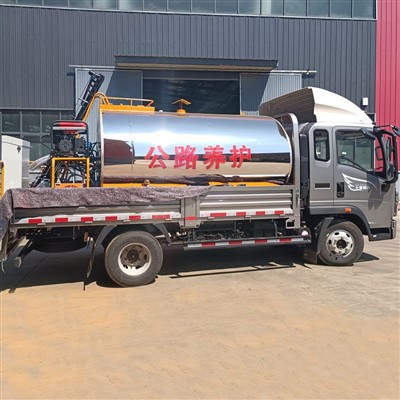
One of the most significant applications of cationic emulsifiers is in the field of road construction and paving. Cationic emulsifiers are used to produce Cationic Emulsion, which is a mixture of water, bitumen, and an emulsifying agent. This emulsion is then used in various road construction techniques, such as surface dressing, slurry sealing, and cold mix asphalt production.
Surface Dressing
Surface dressing is a cost - effective method of maintaining and improving the surface of existing roads. Cationic bitumen emulsions are sprayed onto the road surface, followed by the application of aggregate. The cationic nature of the emulsion allows it to adhere well to the negatively charged aggregate and road surface, providing a durable and skid - resistant surface.
Slurry Sealing
Slurry sealing involves the application of a mixture of cationic bitumen emulsion, fine aggregate, filler, and water to the road surface. This mixture fills cracks, seals pores, and provides a smooth, waterproof surface. Cationic emulsifiers ensure proper dispersion of the bitumen in the water phase and good adhesion to the road surface, resulting in a long - lasting slurry seal.
Cold Mix Asphalt Production
Cold mix asphalt is produced using cationic bitumen emulsions at ambient temperatures, eliminating the need for heating the asphalt and aggregate. This not only reduces energy consumption but also allows for year - round construction. Cationic emulsifiers enable the proper coating of the aggregate with bitumen, resulting in a workable and durable cold mix asphalt.
2. Paper and Pulp Industry
In the paper and pulp industry, cationic emulsifiers are used for several purposes, including sizing, wet - strength resin emulsification, and pitch control.
Sizing
Sizing is the process of adding a hydrophobic substance to the paper to improve its resistance to water and ink penetration. Cationic emulsifiers are used to emulsify sizing agents such as rosin and synthetic polymers. The cationic charge of the emulsifier helps the sizing agent to attach to the negatively charged cellulose fibers in the paper, improving the sizing efficiency.
Wet - Strength Resin Emulsification
Wet - strength resins are used to improve the strength of paper when it is wet. Cationic emulsifiers are used to emulsify these resins, ensuring their uniform distribution in the paper pulp. The cationic nature of the emulsifier allows the resin to interact with the cellulose fibers, forming a cross - linked network that enhances the wet strength of the paper.
Pitch Control
Pitch is a sticky substance present in wood pulp that can cause problems during the papermaking process, such as clogging of equipment and poor paper quality. Cationic emulsifiers can be used to disperse and remove pitch from the pulp. The cationic charge of the emulsifier attracts the negatively charged pitch particles, preventing them from agglomerating and adhering to the equipment.


3. Textile Industry
Cationic emulsifiers find applications in the textile industry for fabric softening, dyeing, and finishing.
Fabric Softening
Cationic emulsifiers are commonly used as fabric softeners. They have a positive charge that allows them to adsorb onto the negatively charged surface of the textile fibers. This adsorption reduces the friction between the fibers, making the fabric feel softer and more comfortable to wear. Additionally, cationic fabric softeners can improve the antistatic properties of the fabric.
Dyeing
In the dyeing process, cationic emulsifiers can be used to improve the dispersion of dyes in the dye bath. They can also enhance the affinity of the dyes for the textile fibers, resulting in more uniform and intense coloration. Cationic emulsifiers can also help to prevent dye aggregation and improve the leveling properties of the dyes.
Finishing
Cationic emulsifiers are used in textile finishing to impart various properties to the fabric, such as water repellency, oil repellency, and flame retardancy. They are used to emulsify the finishing agents and ensure their uniform distribution on the fabric surface. The cationic charge of the emulsifier helps the finishing agent to adhere to the fabric fibers, providing long - lasting finishing effects.
4. Personal Care and Cosmetics
Cationic emulsifiers are widely used in the personal care and cosmetics industry for the formulation of various products, such as creams, lotions, shampoos, and conditioners.
Emulsion Formulation
Cationic emulsifiers are used to create stable oil - in - water (O/W) emulsions in creams and lotions. They help to disperse the oil phase in the water phase and prevent the coalescence of the oil droplets. The cationic charge of the emulsifier can also provide a smooth and luxurious feel to the product.
Hair Care Products
In shampoos and conditioners, cationic emulsifiers are used to improve the conditioning properties. They attach to the negatively charged hair fibers, reducing static electricity, improving combability, and adding shine to the hair. Cationic emulsifiers can also help to emulsify other ingredients in the hair care products, such as oils and silicones.
5. Agriculture
In agriculture, cationic emulsifiers are used in the formulation of pesticides, herbicides, and fertilizers.
Pesticide and Herbicide Formulation
Cationic emulsifiers are used to emulsify the active ingredients of pesticides and herbicides in water - based formulations. This improves the dispersion of the active ingredients, enhances their adhesion to the plant surface, and increases their effectiveness. The cationic charge of the emulsifier can also help the pesticide or herbicide to penetrate the plant cuticle more easily.
Fertilizer Emulsification
Some fertilizers are formulated as emulsions using cationic emulsifiers. These emulsions can improve the solubility and dispersion of the fertilizer in water, making it easier to apply and ensuring more uniform distribution of the nutrients in the soil.
6. Adhesive and Sealant Industry
Cationic emulsifiers are used in the adhesive and sealant industry for the production of water - based adhesives and sealants.
Water - Based Adhesives
Water - based adhesives are becoming increasingly popular due to their environmental friendliness and ease of application. Cationic emulsifiers are used to emulsify the adhesive polymers in water. They ensure proper dispersion of the polymer particles, good adhesion to the substrates, and long - term stability of the adhesive.
Sealants
In the production of water - based sealants, cationic emulsifiers are used to emulsify the elastomeric polymers. These emulsifiers help to create a stable emulsion, improve the adhesion of the sealant to the surfaces, and provide good flexibility and durability.
Conclusion
The applications of cationic emulsifiers are vast and diverse, spanning across multiple industries. From road construction to personal care products, cationic emulsifiers play a crucial role in improving product performance, reducing environmental impact, and enhancing manufacturing efficiency. As a cationic emulsifier supplier, we are committed to providing high - quality products that meet the specific needs of our customers.
If you are interested in learning more about our cationic emulsifiers or would like to discuss your specific application requirements, please feel free to contact us. We are ready to provide you with technical support and work with you to find the best solution for your business.
References
- "Bitumen Emulsions: Science and Technology" by G. Collop, M. McDermott, et al.
- "Handbook of Paper and Paperboard Coating and Converting" edited by J. C. Roberts.
- "Textile Chemicals: Environmental Data and Facts" by W. J. Horrocks and T. A. Anand.
- "Agricultural Chemicals: Chemistry, Degradation, and Mode of Action" by G. K. Pandey.
- "Adhesives and Sealants Technology: An Introduction" by C. A. Dostal.