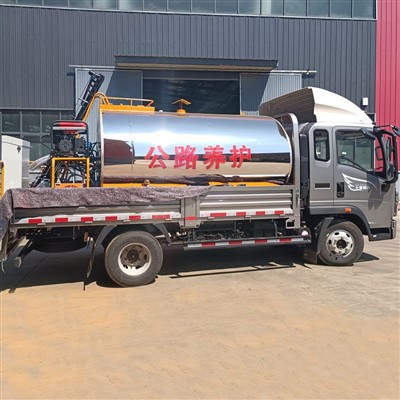
As a supplier of anionic emulsifiers, I am frequently asked about the common types of these essential chemicals. Anionic emulsifiers play a pivotal role in various industries, from asphalt production to cosmetics. They are surfactants that carry a negative charge on their hydrophilic end, which enables them to stabilize emulsions by reducing the surface tension between two immiscible liquids. In this blog post, I will delve into the most common types of anionic emulsifiers, their applications, and their benefits.
Fatty Acid Soaps
Fatty acid soaps are perhaps the oldest and most well - known type of anionic emulsifiers. They are derived from the saponification of fatty acids with an alkali, such as sodium hydroxide or potassium hydroxide. The general structure of a fatty acid soap consists of a long hydrocarbon chain (hydrophobic tail) and a carboxylate group (hydrophilic head).
These emulsifiers are widely used in the production of personal care products, such as soaps, shampoos, and lotions. They have excellent emulsifying properties and are relatively inexpensive to produce. In the asphalt industry, fatty acid soaps can be used in the production of [Asphalt Emulsifier](/bitumen - emulsifier/asphalt - emulsifier.html). They help in dispersing asphalt particles in water, creating a stable emulsion that can be easily applied to roads and other surfaces.
However, fatty acid soaps have some limitations. They are sensitive to hard water, as the calcium and magnesium ions in hard water can react with the carboxylate group to form insoluble salts, which can reduce the emulsifying ability. They also have a limited pH range of effectiveness, typically working best in alkaline conditions.
Sulfates and Sulfonates
Sulfates and sulfonates are another important class of anionic emulsifiers. Sodium lauryl sulfate (SLS) and sodium laureth sulfate (SLES) are two of the most commonly used sulfates. They have a sulfate group (-OSO₃⁻) as the hydrophilic part of the molecule.

SLS and SLES are widely used in the detergent and personal care industries due to their strong cleaning and foaming properties. They are also used in the production of [Emulsified Asphalt Liquid](/bitumen - emulsifier/emulsified - asphalt - liquid.html). These emulsifiers can effectively disperse asphalt in water, forming a stable and uniform emulsion.
Sulfonates, on the other hand, have a sulfonate group (-SO₃⁻) as the hydrophilic moiety. Alkylbenzene sulfonates are a common type of sulfonate emulsifier. They are known for their good solubility in water and resistance to hard water. In the industrial sector, sulfonates are used in the production of metalworking fluids, where they help in emulsifying oils and preventing corrosion.
One of the advantages of sulfates and sulfonates is their high stability over a wide range of pH values. However, they can be irritating to the skin and eyes at high concentrations, which is a concern in personal care applications.
Phosphates
Phosphate - based anionic emulsifiers are also commonly used. They have a phosphate group (-OPO₃²⁻) as the hydrophilic part. These emulsifiers are known for their excellent emulsifying and dispersing properties, as well as their ability to chelate metal ions.
In the food industry, phosphate emulsifiers are used to prevent the separation of oil and water in products such as mayonnaise and salad dressings. In the asphalt industry, they can be used in the production of [Anionic Bitumen Emulsion](/bitumen - emulsifier/anionic - bitumen - emulsion.html). They help in improving the adhesion of the bitumen to aggregates and enhancing the overall performance of the asphalt mixture.
Phosphate emulsifiers are also used in the textile industry, where they assist in the dyeing and finishing processes. They can help in dispersing dyes evenly on the fabric and improving the color fastness.
One of the benefits of phosphate emulsifiers is their relatively low toxicity compared to some other types of emulsifiers. However, the use of phosphates has been a subject of environmental concern due to their potential to cause eutrophication in water bodies.
Carboxylates
Carboxylate - based anionic emulsifiers contain a carboxyl group (-COO⁻) as the hydrophilic end. Polycarboxylates, which have multiple carboxyl groups in the molecule, are a type of carboxylate emulsifier that is gaining popularity.
Polycarboxylates are used in the construction industry, particularly in the production of concrete admixtures. They can act as superplasticizers, improving the workability of the concrete without sacrificing its strength. In the emulsion polymerization process, carboxylate emulsifiers are used to stabilize the polymer particles in the water phase.
These emulsifiers have good stability and can be tailored to have different molecular weights and structures, which allows for fine - tuning of their emulsifying properties. However, their synthesis can be more complex and costly compared to some other types of anionic emulsifiers.

Applications and Benefits of Anionic Emulsifiers
The applications of anionic emulsifiers are diverse and span across multiple industries. In the asphalt industry, anionic emulsifiers are used to produce asphalt emulsions that are used for road construction, maintenance, and repair. These emulsions are more environmentally friendly than hot - mix asphalt, as they can be applied at lower temperatures, reducing energy consumption and emissions.
In the personal care industry, anionic emulsifiers are used to create stable emulsions in products such as creams, lotions, and makeup. They help in combining oil and water phases, providing a smooth and homogeneous texture to the products.
In the food industry, anionic emulsifiers are used to prevent the separation of oil and water in food products, improving their shelf - life and appearance. They also help in enhancing the mouthfeel and texture of the food.
The benefits of using anionic emulsifiers include their ability to reduce surface tension, stabilize emulsions, and improve the dispersion of particles. They are also relatively cost - effective, making them a popular choice for many industrial applications.
Conclusion
Anionic emulsifiers are a diverse group of chemicals that play a crucial role in many industries. Fatty acid soaps, sulfates and sulfonates, phosphates, and carboxylates are some of the most common types of anionic emulsifiers, each with its own unique properties and applications.
As a supplier of anionic emulsifiers, I understand the importance of providing high - quality products that meet the specific needs of different industries. Whether you are in the asphalt, personal care, food, or any other industry that requires emulsifiers, I am here to offer you the best solutions.
If you are interested in purchasing anionic emulsifiers or have any questions about our products, please feel free to contact me for a procurement discussion. I am confident that I can provide you with the right emulsifiers for your applications and help you achieve the best results.
References
- Rosen, M. J., & Kunjappu, J. T. (2012). Surfactants and Interfacial Phenomena. John Wiley & Sons.
- Myers, D. (2011). Surfactant Science and Technology. John Wiley & Sons.
- Lin, S. Y., & Zang, Z. (2019). Emulsifiers in Food Technology. Woodhead Publishing.