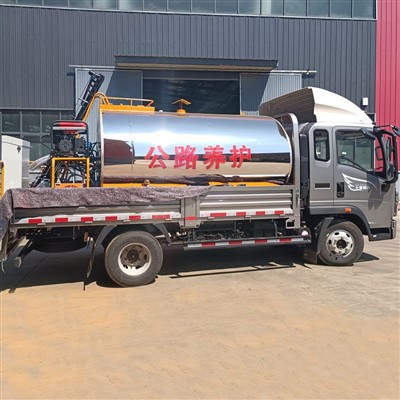
Hey there! As a supplier of Asphalt Distributor Tanks, I've seen firsthand how crucial it is to understand the different types of heating sources available. It can make a huge difference in the performance and efficiency of your asphalt distributor. So, let's dive right in and explore these heating sources.


1. Diesel - Fired Heating Systems
Diesel - fired heating systems are one of the most common choices for asphalt distributor tanks. They're pretty straightforward. The diesel fuel is burned in a combustion chamber, and the heat generated is transferred to the asphalt in the tank.
One of the big advantages of diesel - fired systems is their high heating efficiency. Diesel has a high energy density, which means it can produce a large amount of heat quickly. This is great when you need to heat up a large volume of asphalt in a short time. For example, if you're working on a big road construction project where you need to keep a continuous supply of hot asphalt, a diesel - fired system can get the job done.
Another plus is the reliability. Diesel is widely available in most areas, so you don't have to worry too much about running out of fuel during a job. And the technology behind diesel - fired heaters is well - established, so there are plenty of experienced technicians who can handle any maintenance or repair issues.
However, there are also some downsides. Diesel is a fossil fuel, and burning it releases pollutants into the air. This can be a concern, especially in areas with strict environmental regulations. Also, the cost of diesel can fluctuate, which might affect your operating expenses. If you're interested in an asphalt distributor that might use a diesel - fired heating system, check out our Automatic Asphalt Distributor.
2. Gas - Fired Heating Systems
Gas - fired heating systems use natural gas or propane as the fuel source. These systems work in a similar way to diesel - fired ones, but with a few key differences.
One of the main advantages of gas - fired systems is their environmental friendliness. Natural gas and propane burn cleaner than diesel, producing fewer emissions. This makes them a great choice if you're working in an area where environmental protection is a priority.
Gas - fired systems are also often more cost - effective in the long run. Natural gas, in particular, is usually cheaper than diesel, and its price tends to be more stable. Plus, the maintenance requirements for gas - fired heaters are often lower, which can save you money on upkeep.
But there are some limitations. Gas supply can be an issue in remote areas. If you're working in a place where there's no natural gas pipeline or it's difficult to get propane refills, a gas - fired system might not be the best option. Also, gas - fired heaters might take a bit longer to heat up the asphalt compared to diesel - fired ones. Our Standard Asphalt Distributor can be equipped with a gas - fired heating system in some configurations.
3. Electric Heating Systems
Electric heating systems are becoming more popular in asphalt distributor tanks. They work by passing an electric current through heating elements, which then generate heat.
One of the biggest advantages of electric heating is its simplicity. There are no fuel storage or combustion issues to deal with. You just need to plug the system into a power source, and it starts heating the asphalt. This makes electric heating systems very clean and quiet to operate.
They're also very precise in terms of temperature control. You can easily set and maintain the desired temperature of the asphalt, which is crucial for ensuring the quality of the asphalt application. Electric heating systems are a great choice for smaller projects or for use in areas where noise and emissions are a concern.
However, the main drawback is the power requirement. You need a reliable and sufficient power supply to run an electric heating system. If you're working in a remote location without access to a power grid, you'll need to bring in a large generator, which can be expensive and cumbersome. Check out our Asphalt Distributor Truck, which can be configured with an electric heating system for specific needs.
4. Waste Oil - Fired Heating Systems
Waste oil - fired heating systems are an interesting option. They use waste oil, such as used motor oil, as the fuel source. This is a great way to recycle waste and reduce your operating costs at the same time.
The main advantage of waste oil - fired systems is the cost savings. Instead of buying expensive diesel or gas, you can use waste oil that you might otherwise have to pay to dispose of. It's also an environmentally friendly option, as it reduces the amount of waste oil that ends up in landfills or is improperly disposed of.
However, there are some challenges. Waste oil needs to be properly filtered and treated before it can be used in the heating system. If the oil isn't clean enough, it can cause problems with the burner and reduce the efficiency of the heating system. Also, waste oil - fired heaters require more maintenance compared to other types of heaters, as the waste oil can leave more residue in the combustion chamber.
5. Hybrid Heating Systems
Hybrid heating systems combine two or more of the above heating sources. For example, a system might use a diesel - fired heater as the primary source for quick heating and an electric heater for fine - tuning the temperature.
The advantage of hybrid systems is that they can take advantage of the strengths of different heating sources while minimizing their weaknesses. You can use the more efficient and powerful source for initial heating and then switch to a cleaner or more precise source for maintaining the temperature.
But hybrid systems are more complex and usually more expensive to install and maintain. You need to have a good understanding of how each heating source works and how to integrate them effectively.
So, there you have it - the different types of heating sources for an asphalt distributor tank. Each type has its own pros and cons, and the right choice depends on your specific needs, such as the size of your projects, the location of your work, and your budget.
If you're in the market for an asphalt distributor tank and want to discuss which heating source would be best for you, don't hesitate to reach out. We're here to help you make the right decision and ensure that you get a high - quality asphalt distributor that meets your requirements.
References
- Industry reports on asphalt distributor technology
- Manufacturer's manuals for asphalt distributor tanks and heating systems
- Environmental studies on different fuel sources for heating applications