In recent years, the use of rubber asphalt has gained significant traction in the road construction industry due to its numerous advantages over traditional asphalt. As a leading Rubber Asphalt Plant supplier, I've witnessed firsthand the growing demand for this innovative technology. In this blog post, I'll delve into the economic benefits of using a Rubber Asphalt Plant, highlighting why it's a smart investment for road construction companies and government agencies alike.
Cost - Savings in Raw Materials
One of the most significant economic advantages of using a Rubber Asphalt Plant is the potential for cost - savings in raw materials. Rubber asphalt is produced by blending crumb rubber, typically derived from recycled tires, with traditional asphalt binder. This not only provides a sustainable solution for waste tire disposal but also reduces the reliance on virgin asphalt.
Virgin asphalt is a petroleum - based product, and its price is subject to fluctuations in the global oil market. By incorporating crumb rubber into the asphalt mix, road construction projects can reduce their asphalt consumption. For instance, in some applications, up to 20% of the asphalt binder can be replaced with crumb rubber without sacrificing the quality of the road surface. This substitution translates into direct cost savings on raw materials, as crumb rubber is generally less expensive than virgin asphalt.
Moreover, the use of recycled tires as a raw material for rubber asphalt aligns with the principles of the circular economy. Instead of sending used tires to landfills or incinerators, where they can pose environmental hazards, these tires are repurposed into a valuable construction material. This not only saves on disposal costs but also reduces the need for new resources, making rubber asphalt an environmentally and economically sustainable choice.
Extended Road Lifespan and Reduced Maintenance Costs
Rubber asphalt offers superior performance characteristics compared to traditional asphalt, which can lead to significant long - term cost savings through extended road lifespan and reduced maintenance requirements.
The addition of crumb rubber to the asphalt mix enhances the flexibility and elasticity of the road surface. This allows the road to better withstand temperature variations, traffic loads, and environmental stresses. As a result, rubber asphalt roads are less prone to cracking, rutting, and other forms of distress.
Cracking is a common problem in traditional asphalt roads, which can lead to water infiltration, further damage to the road structure, and increased maintenance costs. Rubber asphalt's improved crack resistance means that fewer cracks will develop over time, reducing the need for frequent crack sealing and patching. Rutting, which occurs when the road surface deforms under heavy traffic, is also less likely to occur in rubber asphalt roads. This reduces the need for costly resurfacing operations.
A study conducted by the Federal Highway Administration (FHWA) found that rubber asphalt roads can have a lifespan that is 20 - 50% longer than traditional asphalt roads. This extended lifespan means that road construction projects can spread the initial investment over a longer period, resulting in lower annualized costs. Additionally, the reduced maintenance requirements translate into significant savings in labor, materials, and equipment costs over the life of the road.
Improved Fuel Efficiency for Vehicles
Another economic benefit of using rubber asphalt is the potential for improved fuel efficiency for vehicles traveling on these roads. The smoother surface of rubber asphalt roads reduces rolling resistance, which is the force that opposes the motion of a vehicle's tires on the road surface.
When rolling resistance is reduced, vehicles require less energy to move forward, resulting in lower fuel consumption. According to research, a reduction in rolling resistance of just 10% can lead to a fuel savings of approximately 3 - 4%. This may seem like a small percentage, but when considering the large number of vehicles traveling on a road network, the cumulative fuel savings can be substantial.
For commercial vehicle operators, such as trucking companies, even a small improvement in fuel efficiency can have a significant impact on their bottom line. Lower fuel costs mean higher profit margins, and the use of rubber asphalt roads can contribute to achieving this goal. Additionally, reduced fuel consumption also leads to lower greenhouse gas emissions, which aligns with the growing emphasis on environmental sustainability in the transportation sector.
Enhanced Skid Resistance and Reduced Accident Costs
Rubber asphalt provides enhanced skid resistance compared to traditional asphalt, which can lead to a reduction in accident rates and associated costs.
Skid resistance is a critical factor in road safety as it affects a vehicle's ability to stop or maneuver safely on the road surface. The textured surface of rubber asphalt, created by the presence of crumb rubber particles, provides better grip for vehicle tires, especially in wet or slippery conditions.
A higher level of skid resistance means that drivers have more control over their vehicles, reducing the likelihood of skidding, hydroplaning, and other types of accidents. According to traffic safety studies, improving skid resistance can reduce the number of wet - weather accidents by up to 35%.
The economic impact of reducing accident rates is significant. Accident costs include property damage, medical expenses, lost productivity, and legal fees. By investing in rubber asphalt roads with enhanced skid resistance, government agencies and road owners can potentially save millions of dollars in accident - related costs over the life of the road network.


Business Opportunities for Rubber Asphalt Plant Suppliers
As a Rubber Asphalt Plant supplier, I can attest to the business opportunities that arise from the growing demand for rubber asphalt technology. The economic benefits of using rubber asphalt are driving more road construction projects to adopt this innovative solution, which in turn increases the demand for rubber asphalt production equipment.
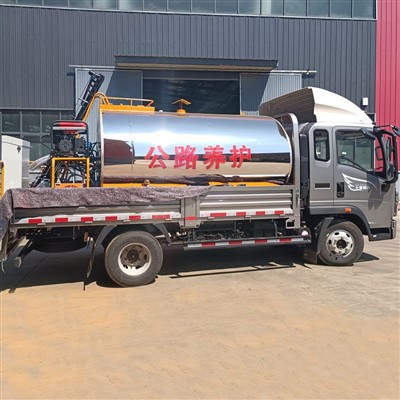
Our Rubber Asphalt Production Equipment is designed to meet the diverse needs of road construction companies, from small - scale projects to large - scale infrastructure developments. We offer a range of Rubber Asphalt Plant options, including Mobile Rubber Asphalt Plant for on - site production.
These plants are equipped with advanced technology to ensure efficient and high - quality rubber asphalt production. They can precisely control the mixing ratio of crumb rubber and asphalt binder, ensuring consistent product quality. Additionally, our plants are designed for easy operation and maintenance, reducing downtime and increasing productivity.
The growing popularity of rubber asphalt also presents opportunities for us to expand our market reach. We are constantly working on research and development to improve our products and offer better solutions to our customers. By providing reliable and cost - effective rubber asphalt production equipment, we are able to support road construction projects around the world in achieving their economic and environmental goals.
Conclusion
The economic benefits of using a Rubber Asphalt Plant are numerous and significant. From cost - savings in raw materials to extended road lifespan, reduced maintenance costs, improved fuel efficiency, and enhanced skid resistance, rubber asphalt offers a compelling economic case for road construction projects.
As a Rubber Asphalt Plant supplier, we are committed to providing high - quality equipment and solutions to help our customers take advantage of these benefits. If you are involved in road construction or infrastructure development and are interested in learning more about the economic advantages of rubber asphalt and our range of products, we invite you to contact us for a detailed discussion. We look forward to the opportunity to work with you and contribute to the success of your projects.
References
- Federal Highway Administration (FHWA). "Rubberized Asphalt Pavements: An Overview." FHWA - HRT - 14 - 072.
- "Recycled Tire Rubber in Asphalt Paving: State of the Practice." National Academies Press.
- Traffic safety studies on the impact of skid resistance on accident rates.