Hey there! As a supplier of Anionic Emulsifier, I've been getting a lot of questions lately about the effects of anionic emulsifiers on microbial growth in emulsions. So, I thought I'd take a deep dive into this topic and share what I've learned.
First off, let's talk about what anionic emulsifiers are. These are substances that help to stabilize emulsions by reducing the surface tension between two immiscible liquids, like oil and water. They have a negative charge, which gives them unique properties when it comes to interacting with other substances, including microbes.
Emulsions are all around us, from the food we eat to the cosmetics we use and even in industrial applications like Emulsified Asphalt Liquid. And in many of these emulsions, microbial growth can be a real problem. Microbes can cause spoilage, off - flavors, and even pose health risks in some cases. So, understanding how anionic emulsifiers affect microbial growth is super important.
One of the key ways anionic emulsifiers can impact microbial growth is through their interaction with the cell membrane of microbes. The negative charge of anionic emulsifiers can interact with the positively charged components of the microbial cell membrane. This interaction can disrupt the integrity of the cell membrane, making it more permeable. When the cell membrane becomes more permeable, essential nutrients can leak out of the cell, and harmful substances can enter. As a result, the microbe may have a harder time surviving and reproducing, which can slow down or even inhibit its growth.
For example, in food emulsions like salad dressings, anionic emulsifiers can help to prevent the growth of bacteria and fungi. By destabilizing the cell membranes of these microbes, they can extend the shelf - life of the product. This is great news for food manufacturers, as it means less waste and a longer - lasting product for consumers.
But it's not always that straightforward. Some microbes have developed mechanisms to resist the effects of anionic emulsifiers. They may have a more robust cell membrane or produce enzymes that can break down the emulsifier. In these cases, the anionic emulsifier may not be as effective at inhibiting microbial growth.
Another factor to consider is the concentration of the anionic emulsifier. At low concentrations, anionic emulsifiers may not have a significant impact on microbial growth. The microbes may be able to tolerate the relatively small amount of emulsifier present. However, as the concentration increases, the likelihood of disrupting the microbial cell membrane also increases. But there's a balance here. Using too high a concentration of anionic emulsifier can also have negative effects. It can change the physical properties of the emulsion, like its viscosity and stability, which may not be desirable.
The type of emulsion also plays a role. In oil - in - water (O/W) emulsions, anionic emulsifiers are more likely to come into direct contact with the microbes, which are usually present in the aqueous phase. This means they may have a greater chance of interacting with the microbial cell membranes and affecting growth. On the other hand, in water - in - oil (W/O) emulsions, the microbes are more likely to be surrounded by the oil phase, and the anionic emulsifier may have a harder time reaching them.
Now, let's compare anionic emulsifiers with Cationic Emulsion. Cationic emulsifiers have a positive charge, which means they interact differently with microbial cell membranes. Cationic emulsifiers can bind more strongly to the negatively charged components of the cell membrane, often leading to a more rapid and severe disruption of the membrane. In some cases, cationic emulsifiers may be more effective at killing microbes. However, they also have their drawbacks. Cationic emulsifiers can be more toxic to human cells in higher concentrations, and they may not be as stable in some environmental conditions.
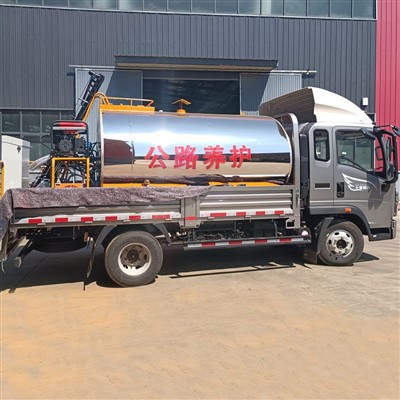
In industrial applications, such as in the production of Emulsified Asphalt Liquid, microbial growth can lead to problems like changes in the viscosity and stability of the emulsion. Anionic emulsifiers can be used to control this growth. By carefully selecting the right anionic emulsifier and adjusting its concentration, we can ensure that the emulsion remains stable and free from microbial contamination for a longer period.
In the cosmetic industry, anionic emulsifiers are commonly used in products like lotions and creams. Microbial growth in these products can cause them to go bad, leading to a change in texture, odor, and even potential skin irritations. Anionic emulsifiers can help to keep these products safe and effective by inhibiting the growth of bacteria, yeast, and molds.
But like I said earlier, it's not a one - size - fits - all solution. Different anionic emulsifiers have different chemical structures, and these structures can affect their ability to inhibit microbial growth. Some anionic emulsifiers may be more effective against certain types of microbes than others. For instance, a particular anionic emulsifier may work great against Gram - positive bacteria but not be as effective against Gram - negative bacteria.
To sum it all up, anionic emulsifiers can have a significant impact on microbial growth in emulsions. They can disrupt the cell membranes of microbes, which can slow down or inhibit their growth. However, the effectiveness of anionic emulsifiers depends on several factors, including the type of microbe, the concentration of the emulsifier, the type of emulsion, and the specific chemical structure of the emulsifier.


If you're in an industry that uses emulsions and you're looking for a reliable anionic emulsifier to control microbial growth, we're here to help. We have a wide range of anionic emulsifiers that are carefully formulated to meet different needs. Whether you're in the food, cosmetic, or industrial sector, we can provide you with the right product. Contact us to start a discussion about your specific requirements and let's work together to find the best solution for your emulsion needs.
References
- Smith, J. (2020). "The Impact of Emulsifiers on Microbial Communities in Food Systems." Journal of Food Microbiology.
- Johnson, A. (2019). "Anionic Emulsifiers: Properties and Applications in Cosmetics." Cosmetic Science Review.
- Brown, C. (2021). "Microbial Resistance to Emulsifiers in Industrial Emulsions." Industrial Microbiology Journal.