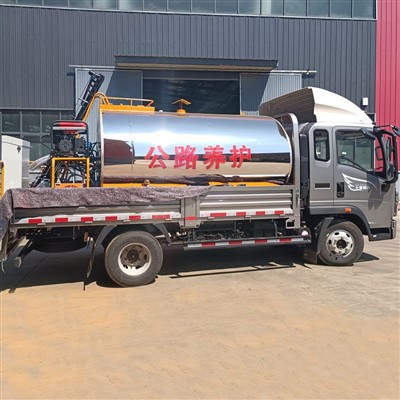
Hey there! I'm a supplier of bitumen emulsion plants, and today I wanna chat about the environmental impacts of these plants. Bitumen emulsion plants are crucial in the road construction and maintenance industry, but it's important to understand how they can affect the environment.
Air Pollution
One of the most significant environmental impacts of a bitumen emulsion plant is air pollution. During the production process, bitumen is heated to high temperatures, which can release various pollutants into the air. These pollutants include volatile organic compounds (VOCs), particulate matter (PM), and sulfur dioxide (SO₂).
VOCs are a group of chemicals that can react with sunlight and other pollutants to form ground - level ozone, a major component of smog. Ozone can cause respiratory problems, especially for people with asthma or other lung diseases. Particulate matter, both PM₁₀ (particles with a diameter of 10 micrometers or less) and PM₂.₅ (particles with a diameter of 2.5 micrometers or less), can be inhaled deep into the lungs and cause health issues such as coughing, wheezing, and reduced lung function. Sulfur dioxide can also irritate the respiratory system and contribute to the formation of acid rain.
To reduce air pollution, modern bitumen emulsion plants are equipped with advanced air pollution control systems. These systems can include scrubbers to remove sulfur dioxide, bag filters to capture particulate matter, and carbon adsorbers to reduce VOC emissions. For example, the Bitumen Emulsion Equipment we supply often comes with state - of - the - art air pollution control features that help minimize the release of harmful pollutants into the atmosphere.
Water Pollution
Bitumen emulsion plants can also have an impact on water quality. The production process may involve the use of water for cooling, cleaning, and as a component in the emulsion. If not properly managed, wastewater from the plant can contain contaminants such as bitumen residues, chemicals used in the emulsification process, and heavy metals.
When this contaminated water is discharged into water bodies without proper treatment, it can harm aquatic life. Bitumen residues can coat the gills of fish and other aquatic organisms, preventing them from breathing properly. Chemicals and heavy metals can accumulate in the tissues of aquatic animals and enter the food chain, posing a risk to human health as well.
To prevent water pollution, bitumen emulsion plants should have effective wastewater treatment systems. These systems can include sedimentation tanks to remove solid particles, filtration units to further purify the water, and chemical treatment processes to break down contaminants. Our Modified Asphalt Emulsification Equipment is designed with water management in mind, and we can provide guidance on setting up proper wastewater treatment facilities.
Noise Pollution
Noise is another environmental concern associated with bitumen emulsion plants. The operation of equipment such as pumps, mixers, and heaters can generate significant noise levels. Prolonged exposure to high - level noise can cause hearing loss, stress, and other health problems for workers at the plant and nearby residents.
To mitigate noise pollution, bitumen emulsion plants can use noise - reducing technologies. This can include installing sound - proof enclosures around noisy equipment, using vibration - damping materials, and locating the plant away from residential areas. The Fully Automatic Emulsified Asphalt Equipment we offer is engineered to operate with relatively low noise levels, and we can also provide advice on noise control measures.
Waste Generation
Bitumen emulsion plants generate waste during the production process. This waste can include spent filters, leftover bitumen, and packaging materials. If not managed properly, this waste can take up valuable landfill space and may pose environmental risks.


Recycling and proper waste management are essential to reduce the environmental impact of waste generation. For example, spent filters can sometimes be recycled or disposed of in an environmentally friendly way. Leftover bitumen can be reused in certain applications. We can assist our customers in developing waste management strategies to minimize the amount of waste going to landfills.
Energy Consumption
Bitumen emulsion plants consume a significant amount of energy, mainly for heating the bitumen and operating the equipment. High energy consumption not only increases the operating costs but also has an environmental impact as most of the energy is derived from non - renewable sources such as fossil fuels.
To reduce energy consumption, modern bitumen emulsion plants are designed with energy - efficient features. This can include the use of heat recovery systems to reuse waste heat, energy - efficient motors, and advanced control systems to optimize the operation of the equipment. By choosing our energy - efficient bitumen emulsion plants, customers can not only save on energy costs but also contribute to a more sustainable environment.
Conclusion
In conclusion, bitumen emulsion plants can have several environmental impacts, including air pollution, water pollution, noise pollution, waste generation, and high energy consumption. However, with the use of advanced technologies and proper management practices, these impacts can be significantly reduced.
As a supplier of bitumen emulsion plants, we are committed to providing our customers with equipment that is not only efficient but also environmentally friendly. Our Bitumen Emulsion Equipment, Modified Asphalt Emulsification Equipment, and Fully Automatic Emulsified Asphalt Equipment are designed with the latest environmental protection features.
If you're in the market for a bitumen emulsion plant and are concerned about the environmental impact, we'd love to have a chat with you. We can provide you with detailed information about our products, how they can help reduce environmental impacts, and answer any questions you may have. Contact us to start a discussion about your bitumen emulsion plant needs and let's work together to build a more sustainable future.
References
- Environmental Protection Agency (EPA). "Air Quality Standards and Regulations."
- World Health Organization (WHO). "Guidelines on Water Quality and Health."
- International Labour Organization (ILO). "Noise and Health in the Workplace."