As a supplier of Asphalt Distributor Tanks, ensuring fire safety is not just a regulatory requirement but a moral obligation. Asphalt, being a highly flammable substance, poses significant fire risks during storage and distribution. In this blog, I will delve into the essential fire safety measures for an Asphalt Distributor Tank, drawing on my experience in the industry.
Understanding the Fire Risks Associated with Asphalt Distributor Tanks
Before we discuss the safety measures, it's crucial to understand the potential fire hazards associated with Asphalt Distributor Tanks. Asphalt has a relatively low flash point, which means it can ignite at relatively low temperatures. During the heating process required to keep the asphalt in a liquid state for distribution, there is a risk of the asphalt reaching its flash point if the heating system malfunctions or if there is a sudden increase in temperature.
Another significant risk is the presence of vapors. Asphalt vapors are highly combustible and can form explosive mixtures with air. Leaks in the tank or the distribution system can release these vapors, creating a dangerous environment. Additionally, electrical equipment, welding operations, or even static electricity can act as ignition sources in the presence of these combustible vapors.
Design and Construction Safety Measures
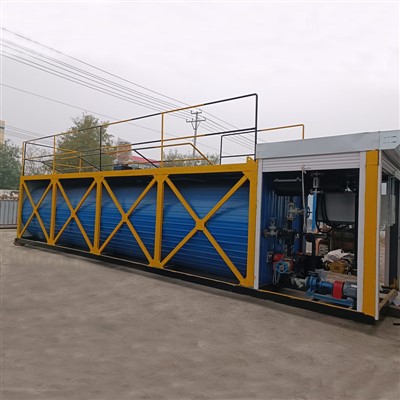
The design and construction of an Asphalt Distributor Tank play a vital role in fire safety. Firstly, the tank should be made of high - quality, fire - resistant materials. Steel is a common choice due to its durability and ability to withstand high temperatures. The tank should be designed with proper insulation to prevent heat transfer to the surrounding environment, reducing the risk of igniting nearby flammable materials.
Overpressure protection devices such as pressure relief valves should be installed. These valves are designed to release excess pressure in the tank, preventing explosions caused by overheating or other factors that may increase the internal pressure. Additionally, the tank should have a well - designed ventilation system to remove any accumulated vapors. The ventilation system should be sized appropriately to ensure efficient removal of vapors and prevent the formation of explosive mixtures.
Heating System Safety
The heating system is one of the most critical components of an Asphalt Distributor Tank, as it is responsible for maintaining the asphalt at the required temperature. However, it also poses a significant fire risk. To mitigate this risk, the heating system should be equipped with temperature sensors and controllers. These devices can monitor the temperature of the asphalt and automatically shut off the heating source if the temperature exceeds a safe limit.

Regular maintenance of the heating system is essential. This includes cleaning the burners, checking the fuel lines for leaks, and inspecting the electrical components. Any signs of wear or damage should be addressed immediately to prevent malfunctions that could lead to a fire.
Storage and Handling Safety
Proper storage and handling of asphalt are crucial for fire safety. The tank should be located in a well - ventilated area, away from sources of ignition such as open flames, electrical equipment, and welding operations. A clear area around the tank should be maintained to prevent the accumulation of flammable materials.
When filling or emptying the tank, strict procedures should be followed. Grounding the tank and the filling equipment is essential to prevent static electricity buildup, which can cause sparks and ignite the asphalt vapors. Additionally, the filling rate should be controlled to prevent splashing and the generation of excessive vapors.
Fire Suppression Systems
Installing a reliable fire suppression system is a must for an Asphalt Distributor Tank. Sprinkler systems are commonly used in large - scale storage facilities. These systems can quickly douse a fire by releasing water or a fire - extinguishing agent. The sprinkler system should be regularly inspected and maintained to ensure its proper functioning.
Fire extinguishers should also be readily available in the vicinity of the tank. Different types of fire extinguishers are suitable for different types of fires. For asphalt fires, dry chemical or foam extinguishers are recommended. Employees should be trained on how to use these extinguishers effectively.
Operational Safety Procedures
Establishing and enforcing strict operational safety procedures is essential for fire prevention. All employees involved in the operation of the Asphalt Distributor Tank should receive comprehensive training on fire safety. This includes understanding the fire risks associated with asphalt, knowing how to operate the safety equipment, and being familiar with the emergency response procedures.
Regular inspections of the tank and the associated equipment should be conducted. These inspections should cover all aspects of the system, including the tank structure, heating system, ventilation system, and fire suppression equipment. Any defects or potential hazards should be identified and corrected promptly.
Emergency Response Planning
In addition to preventive measures, having a well - developed emergency response plan is crucial. The plan should include procedures for evacuating the area in case of a fire, contacting the fire department, and using the fire suppression equipment. Regular drills should be conducted to ensure that all employees are familiar with the emergency response procedures and can respond quickly and effectively in case of an emergency.
Importance of Training and Education
Training and education are the cornerstones of fire safety. All employees, from operators to maintenance staff, should be well - versed in the fire safety measures associated with Asphalt Distributor Tanks. Training programs should be updated regularly to reflect the latest industry standards and best practices.
In addition to on - site training, employees can also benefit from attending industry conferences and seminars. These events provide an opportunity to learn about the latest technologies and safety innovations in the field of asphalt distribution.
Conclusion
Fire safety for an Asphalt Distributor Tank is a multi - faceted issue that requires a comprehensive approach. From the design and construction of the tank to the operational procedures and emergency response planning, every aspect plays a crucial role in preventing fires and protecting lives and property.
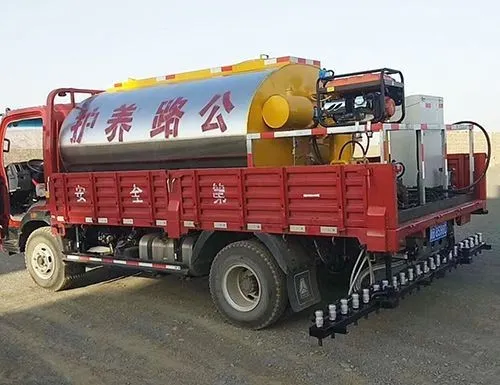
As a supplier of [Asphalt Distributor Tanks], we are committed to providing our customers with high - quality products that meet the highest fire safety standards. Our Intelligent Asphalt Distributor Truck, Standard Asphalt Distributor, and Asphalt Distributor Truck are designed with the latest fire safety features to ensure the safety of our customers.
If you are in the market for an Asphalt Distributor Tank and are concerned about fire safety, we invite you to contact us for more information. Our team of experts is ready to assist you in choosing the right product for your needs and providing you with the necessary support and guidance on fire safety.
References
- National Fire Protection Association (NFPA) standards related to flammable and combustible liquids storage and handling.
- Industry guidelines on asphalt distribution and storage from relevant professional organizations.
- Manufacturer's manuals and technical specifications for Asphalt Distributor Tanks.