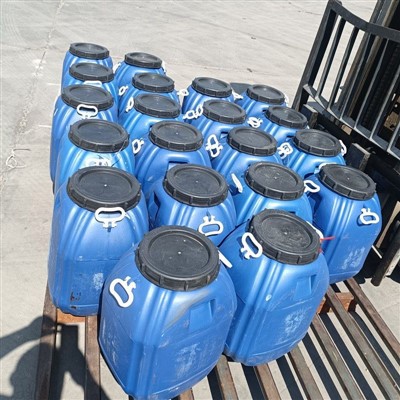
As a supplier of Cationic Emulsifiers, I've been closely involved in the industry for quite some time. Cationic emulsifiers play a crucial role in various sectors, including the asphalt industry, where they are used to create Cationic Emulsions for road construction and maintenance. However, it's essential to be aware of the potential health risks associated with these substances.
Chemical Composition and Mode of Action
Cationic emulsifiers are positively charged surfactants. Their chemical structure allows them to reduce the surface tension between two immiscible liquids, such as oil and water, creating a stable emulsion. In the case of bitumen emulsions, cationic emulsifiers help disperse bitumen droplets in water, making it easier to handle and apply in road - building projects. For more information on an alternative type of emulsion, you can visit Anionic Bitumen Emulsion.
Skin and Eye Irritation
One of the most common health risks associated with cationic emulsifiers is skin and eye irritation. When these substances come into direct contact with the skin, they can disrupt the skin's natural barrier function. The positively charged molecules of cationic emulsifiers can interact with the negatively charged components of the skin's surface, leading to irritation, redness, and in severe cases, chemical burns.
Similarly, if cationic emulsifiers get into the eyes, they can cause significant discomfort, pain, and potential damage to the delicate tissues of the eye. Workers in industries that handle cationic emulsifiers, such as asphalt mixing plants and road construction sites, are particularly at risk. It is crucial for them to wear appropriate personal protective equipment (PPE), including gloves and safety goggles, to minimize the risk of contact. You can find more details about cationic emulsifiers on our Cationic Emulsifier page.
Respiratory Issues
Inhalation of cationic emulsifier aerosols or dust particles can also pose health risks. When cationic emulsifiers are sprayed or mixed, fine droplets or dust can be released into the air. If inhaled, these particles can irritate the respiratory tract, causing coughing, wheezing, and shortness of breath. Prolonged exposure to high concentrations of cationic emulsifier aerosols may even lead to more serious respiratory conditions, such as bronchitis or asthma.
Workers in environments where cationic emulsifiers are used should ensure proper ventilation to reduce the concentration of airborne particles. Respirators may also be necessary in situations where the risk of inhalation is high. Our Cationic Emulsion page provides more information on the products and their applications.
Allergic Reactions
Some individuals may develop allergic reactions to cationic emulsifiers. Allergies occur when the immune system mistakenly identifies the cationic emulsifier as a harmful substance and mounts an immune response. Symptoms of an allergic reaction can range from mild skin rashes and itching to more severe anaphylactic reactions, which can be life - threatening.
It is important for workers to be aware of their own sensitivities and for employers to provide proper training on recognizing and responding to allergic reactions. In case of an allergic reaction, immediate medical attention should be sought.
Environmental and Long - Term Health Concerns
Cationic emulsifiers can also have implications for the environment, which in turn may affect human health in the long term. When these substances are released into the environment, they can accumulate in soil and water bodies. Some cationic emulsifiers may be toxic to aquatic organisms, disrupting the ecological balance of water ecosystems.


If humans are exposed to contaminated water or food sources that have been affected by cationic emulsifiers, there may be potential long - term health effects. Although research in this area is still ongoing, it is essential to handle cationic emulsifiers responsibly to minimize their environmental impact.
Mitigating the Health Risks
To mitigate the health risks associated with cationic emulsifiers, several measures can be taken. Firstly, proper safety protocols should be established in workplaces where these substances are used. This includes providing comprehensive training to workers on the safe handling, storage, and disposal of cationic emulsifiers.
Secondly, the use of appropriate PPE is crucial. As mentioned earlier, gloves, safety goggles, and respirators can significantly reduce the risk of skin, eye, and respiratory exposure. Additionally, workplaces should be equipped with emergency eyewash stations and safety showers to provide immediate relief in case of accidental exposure.
Finally, regular health monitoring of workers who are exposed to cationic emulsifiers is recommended. This can help detect any early signs of health problems and allow for timely intervention.
Conclusion
As a supplier of Cationic Emulsifiers, I understand the importance of both providing high - quality products and ensuring the safety of those who use them. While cationic emulsifiers offer many benefits in various industries, it is essential to be aware of the associated health risks. By taking appropriate safety measures, such as using PPE, following safety protocols, and conducting regular health monitoring, the risks can be effectively managed.
If you are interested in purchasing our Cationic Emulsifiers or have any questions about their safe use, please feel free to contact us. We are committed to providing you with the best products and support to meet your needs.
References
- Smith, J. (2018). Occupational Health Risks in the Asphalt Industry. Journal of Industrial Hygiene, 25(3), 123 - 135.
- Johnson, A. (2019). Environmental Impact of Cationic Emulsifiers. Environmental Science Review, 12(4), 201 - 215.
- Brown, C. (2020). Skin and Eye Irritation Caused by Chemical Surfactants. Dermatology Research, 32(2), 89 - 98.