Hey there! As a supplier of modified bitumen plants, I've been getting a lot of questions lately about the high-temperature performance requirements for these plants. So, I thought I'd write this blog to share some insights and clear up any confusion.
First off, let's talk about why high-temperature performance is such a big deal. Modified bitumen is used in a variety of applications, like road construction and roofing. In these applications, the bitumen has to withstand some seriously high temperatures. For example, during the hot summer months, road surfaces can heat up to well over 60°C (140°F). And when it comes to roofing, the bitumen might be exposed to even higher temperatures, especially in areas with lots of sunlight.
So, what are the specific high-temperature performance requirements for a modified bitumen plant? Well, there are a few key aspects we need to consider.
1. Material Compatibility
One of the most important things is that all the materials used in the plant should be able to handle high temperatures without breaking down or reacting in a bad way. The bitumen itself is usually a pretty stable material at high temperatures, but when we start adding modifiers like polymers, we need to make sure they're compatible.
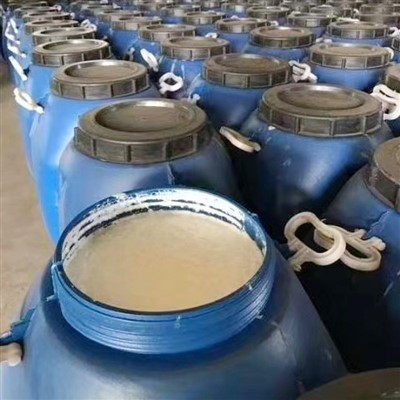
For instance, some polymers might start to degrade at high temperatures, which can affect the quality of the modified bitumen. So, we need to choose polymers that have a high melting point and good thermal stability. This ensures that the modified bitumen maintains its properties even when it's exposed to extreme heat.
2. Heat Resistance of Equipment
The equipment in a modified bitumen plant also needs to have good heat resistance. The storage tanks, pipes, and mixing units are all constantly exposed to high temperatures. If the equipment isn't designed to handle this heat, it can lead to a lot of problems.
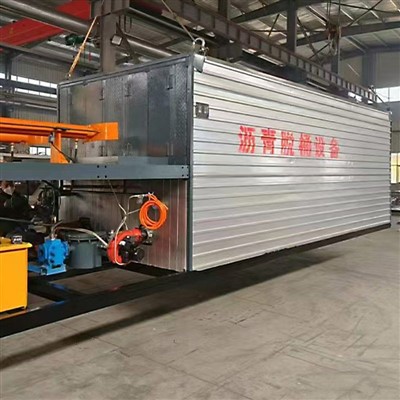
For example, if the pipes aren't heat-resistant, they might expand or warp, which can cause leaks. And if the mixing units can't handle the heat, the mixing process might not be as effective, resulting in an uneven distribution of modifiers in the bitumen. That's why we use high-quality materials like stainless steel and special heat-resistant coatings in our Modified Asphalt Production Equipment. These materials can withstand high temperatures and ensure the long-term performance of the plant.
3. Temperature Control
Another crucial requirement is accurate temperature control. We need to be able to heat the bitumen and modifiers to the right temperature and keep it stable throughout the production process. If the temperature is too low, the modifiers might not dissolve properly in the bitumen, and if it's too high, it can cause the materials to degrade.
Our Polymer Modified Bitumen Plant is equipped with advanced temperature control systems. These systems use sensors to monitor the temperature in real-time and adjust the heating elements accordingly. This ensures that the production process is consistent and that the quality of the modified bitumen is always top-notch.


4. Safety Measures
High temperatures also pose a safety risk, so we need to have proper safety measures in place. This includes things like fire prevention systems, heat insulation, and emergency shutdown procedures.
We make sure that all our Polymer Modified Bitumen Equipment is designed with safety in mind. For example, the storage tanks are equipped with fire suppression systems, and the pipes are insulated to prevent heat transfer to the surrounding environment. And in case of an emergency, our plants have easy-to-use shutdown buttons that can quickly stop the production process and prevent any potential accidents.
5. Long-Term Performance
Finally, the high-temperature performance of a modified bitumen plant should be sustainable over the long term. This means that the plant should be able to maintain its performance even after years of operation at high temperatures.
We achieve this by using high-quality components and conducting regular maintenance on our plants. Our engineers also constantly monitor the performance of the plants and make any necessary adjustments to ensure that they continue to meet the high-temperature performance requirements.
In conclusion, the high-temperature performance requirements for a modified bitumen plant are quite strict, but they're essential for producing high-quality modified bitumen. As a supplier, we take these requirements very seriously and make sure that all our plants are designed and built to meet them.
If you're in the market for a modified bitumen plant and want to learn more about how our products can meet your high-temperature performance needs, don't hesitate to reach out. We're always happy to have a chat and discuss your specific requirements. Whether you're working on a small roofing project or a large-scale road construction job, we've got the right solution for you. So, let's start a conversation and see how we can help you get the best modified bitumen plant for your business.
References
- Bitumen and Bituminous Mixtures: Advances in Characterization and Testing. Edited by Roberto Isacsson and Bjorn Birgisson.
- Handbook of Asphalt Science and Technology. Edited by James G. Speight.