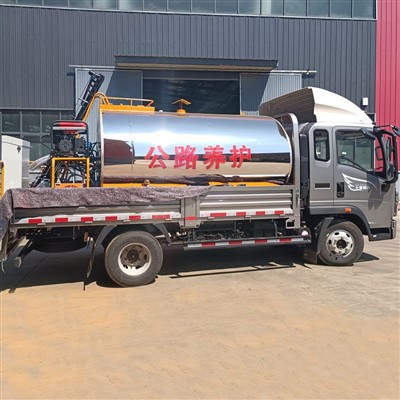
As a seasoned supplier of asphalt distributors, I understand the importance of maintaining accurate operation records. These records are not only crucial for ensuring the proper functioning of the equipment but also for compliance with industry standards and regulations. In this blog post, I will delve into the essential operation records required for an asphalt distributor, providing insights into why they are necessary and how they contribute to the overall efficiency and safety of asphalt distribution operations.
Pre - operation Inspection Records
Before each use, a thorough pre - operation inspection of the asphalt distributor is essential. This inspection helps to identify any potential issues that could lead to equipment failure or safety hazards during the distribution process. The pre - operation inspection records should include the following details:
- General Condition Check: Notes on the overall physical condition of the asphalt distributor, including the presence of any visible damage, leaks, or loose parts. For example, checking the body of the Standard Asphalt Distributor for dents or scratches that might affect its structural integrity.
- Fluid Levels: Records of the levels of all essential fluids, such as asphalt, fuel, hydraulic oil, and coolant. Low fluid levels can cause the equipment to malfunction or overheat, leading to costly repairs and delays.
- System Checks: Documentation of the functionality of key systems, including the heating system, spraying system, and control system. The heating system should be able to maintain the asphalt at the appropriate temperature for distribution, while the spraying system should ensure an even and consistent application.
Asphalt Loading Records
The process of loading asphalt into the distributor is a critical step that requires careful documentation. Asphalt loading records should contain the following information:
- Source of Asphalt: Details about the supplier of the asphalt, including their name, location, and quality certification. This information is important for traceability and ensuring that the asphalt meets the required specifications.
- Quantity Loaded: Accurate measurement of the amount of asphalt loaded into the distributor. This is necessary for inventory management and cost calculation.
- Temperature at Loading: The temperature of the asphalt at the time of loading. Maintaining the correct temperature is crucial for the proper flow and application of the asphalt.
Operation Process Records
During the asphalt distribution process, it is important to record various operational parameters to ensure consistent and high - quality results. The operation process records should cover the following aspects:
- Application Rate: The rate at which the asphalt is being applied, typically measured in liters per square meter or gallons per square yard. This parameter affects the thickness and quality of the asphalt layer.
- Travel Speed: The speed at which the Asphalt Distributor Truck is moving during the spraying process. A consistent travel speed is necessary for an even application of the asphalt.
- Spraying Pattern: Documentation of the spraying pattern, including the width and overlap of the spray. An improper spraying pattern can result in uneven coverage and poor performance.
- Temperature Monitoring: Continuous monitoring of the asphalt temperature during the distribution process. If the temperature drops too low, the asphalt may become too viscous to be sprayed effectively.
Maintenance and Repair Records
Regular maintenance and timely repairs are essential for the longevity and reliability of the asphalt distributor. Maintenance and repair records should include the following details:
- Scheduled Maintenance: Records of all scheduled maintenance tasks, such as oil changes, filter replacements, and lubrication. Following a regular maintenance schedule helps to prevent breakdowns and extend the lifespan of the equipment.
- Repair History: Documentation of any repairs that have been carried out on the distributor, including the date, nature of the repair, and parts replaced. This information can be used to identify recurring problems and plan for future maintenance.
- Maintenance Costs: The cost associated with maintenance and repairs. Tracking these costs helps to manage the overall operating expenses of the asphalt distribution business.
Safety Records
Safety is of utmost importance in any asphalt distribution operation. Safety records should document the following:
- Safety Training: Records of safety training provided to the operators, including the date, content, and duration of the training. Proper training ensures that operators are aware of the potential hazards and know how to operate the equipment safely.
- Accident and Incident Reports: Any accidents or incidents that occur during the operation, including the date, location, nature of the incident, and actions taken to address it. These reports can be used to identify areas for improvement and prevent similar incidents in the future.
- Safety Equipment Checks: Documentation of regular checks of safety equipment, such as fire extinguishers, personal protective equipment (PPE), and emergency shutdown systems. Ensuring the proper functioning of safety equipment is crucial for protecting the operators and the surrounding environment.
Post - operation Records
After the asphalt distribution operation is completed, it is important to record the post - operation activities. Post - operation records should include:
- Cleaning and Storage: Details about the cleaning process of the distributor after use, including the methods and cleaning agents used. Proper cleaning helps to prevent the buildup of asphalt residue, which can affect the performance of the equipment. Also, record the storage conditions of the distributor, such as the location and any special precautions taken.
- Residual Asphalt: The amount of asphalt remaining in the distributor after the operation. This information is useful for inventory management and planning for the next job.
Importance of Maintaining Operation Records
Maintaining accurate operation records offers several benefits:
- Quality Control: By documenting all aspects of the asphalt distribution process, it becomes easier to identify and correct any quality issues. This helps to ensure that the final product meets the required standards.
- Compliance: Many industries have regulations regarding the operation of asphalt distributors. Keeping detailed records helps to demonstrate compliance with these regulations and avoid potential fines and penalties.
- Equipment Management: Operation records provide valuable insights into the performance and condition of the equipment. This information can be used to schedule maintenance, plan for upgrades, and make informed decisions about equipment replacement.
- Cost Management: Tracking the quantity of asphalt used, the amount of fuel consumed, and the cost of maintenance and repairs helps to manage the overall cost of the asphalt distribution operation.
Conclusion
In conclusion, maintaining comprehensive operation records is essential for the successful operation of an asphalt distributor. These records cover every aspect of the equipment's use, from pre - operation inspections to post - operation cleaning. By keeping accurate and detailed records, operators can ensure the safety, efficiency, and quality of their asphalt distribution operations.
If you are in the market for a reliable asphalt distributor or need more information about our products, we invite you to reach out to us for a purchase negotiation. Our team of experts is ready to assist you in finding the best solution for your specific needs.


References
- ASTM International. (20XX). Standard Specifications for Asphalt Distributors.
- National Asphalt Pavement Association. (20XX). Best Practices for Asphalt Distribution Operations.