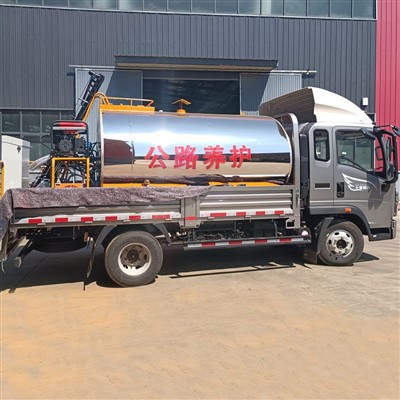
As a prominent supplier of Asphalt Distributor Trucks, I've witnessed firsthand the critical role that the braking system plays in the overall performance and safety of these specialized vehicles. In this blog, I'll delve into the intricacies of the braking system in an Asphalt Distributor Truck, exploring its components, functions, and the importance of proper maintenance.
Components of the Braking System
The braking system of an Asphalt Distributor Truck is a complex assembly of components working in harmony to ensure safe and efficient operation. At its core, it consists of the following main parts:


Brake Pedal
The brake pedal is the driver's interface with the braking system. When the driver presses the pedal, it initiates a series of actions that ultimately result in the vehicle slowing down or coming to a stop. The pedal is connected to the master cylinder via a linkage or hydraulic line.
Master Cylinder
The master cylinder is a crucial component that converts the mechanical force applied to the brake pedal into hydraulic pressure. It contains a piston that moves within a cylinder, forcing brake fluid through the brake lines to the individual wheel brakes. The master cylinder is typically located under the hood, near the firewall.
Brake Lines
Brake lines are responsible for transmitting the hydraulic pressure from the master cylinder to the wheel brakes. They are usually made of steel or reinforced rubber and are designed to withstand high pressures. Any damage or leakage in the brake lines can significantly affect the braking performance and should be addressed immediately.
Wheel Brakes
The wheel brakes are the final components in the braking system that actually slow down or stop the vehicle. There are two main types of wheel brakes used in Asphalt Distributor Trucks: disc brakes and drum brakes.
- Disc Brakes: Disc brakes are the most common type of brakes used in modern vehicles, including Asphalt Distributor Trucks. They consist of a brake disc (rotor), caliper, and brake pads. When the driver presses the brake pedal, the caliper squeezes the brake pads against the rotating disc, creating friction and slowing down the wheel. Disc brakes offer better stopping power, heat dissipation, and durability compared to drum brakes.
- Drum Brakes: Drum brakes are an older type of brakes that are still used in some Asphalt Distributor Trucks, especially in the rear wheels. They consist of a brake drum, brake shoes, and a wheel cylinder. When the driver presses the brake pedal, the wheel cylinder pushes the brake shoes against the inside of the rotating drum, creating friction and slowing down the wheel. Drum brakes are generally less expensive and easier to maintain than disc brakes but offer lower stopping power and are more prone to overheating.
Brake Fluid
Brake fluid is a special hydraulic fluid that is used to transfer the force from the master cylinder to the wheel brakes. It has a high boiling point and is designed to withstand the high temperatures generated during braking. Over time, brake fluid can absorb moisture, which can reduce its effectiveness and cause corrosion in the braking system. It is important to regularly check the brake fluid level and replace it according to the manufacturer's recommendations.
Functions of the Braking System
The primary function of the braking system in an Asphalt Distributor Truck is to slow down or stop the vehicle safely and efficiently. However, it also serves several other important functions, including:
Deceleration
The braking system allows the driver to reduce the speed of the vehicle when needed, such as when approaching a stop sign, traffic light, or another vehicle. By applying the brakes, the driver can control the rate of deceleration and bring the vehicle to a smooth stop.
Parking
The braking system also includes a parking brake, which is used to hold the vehicle stationary when it is parked. The parking brake is typically a mechanical system that engages the rear brakes and prevents the vehicle from rolling. It is important to always engage the parking brake when parking the vehicle, especially on an incline.
Emergency Braking
In the event of an emergency, the braking system allows the driver to quickly stop the vehicle to avoid a collision. The emergency braking system is designed to provide maximum stopping power in a short amount of time. It is important to practice emergency braking techniques regularly to ensure that you are prepared to react quickly in an emergency situation.
Importance of Proper Maintenance
Proper maintenance of the braking system is essential to ensure the safety and reliability of an Asphalt Distributor Truck. Here are some key maintenance tasks that should be performed regularly:
Brake Inspections
Regular brake inspections are crucial to identify any potential problems with the braking system before they become serious. A qualified mechanic should inspect the brake pads, rotors, drums, calipers, and brake lines for wear, damage, or leakage. Any worn or damaged components should be replaced immediately.
Brake Fluid Flush
As mentioned earlier, brake fluid can absorb moisture over time, which can reduce its effectiveness and cause corrosion in the braking system. It is recommended to flush the brake fluid every two years or as specified by the manufacturer. A brake fluid flush involves removing all the old brake fluid from the system and replacing it with fresh fluid.
Brake Pad Replacement
Brake pads are the most commonly replaced component in the braking system. They wear down over time due to friction and need to be replaced when they reach a certain thickness. It is important to replace the brake pads before they become too worn, as this can cause damage to the rotors or drums and reduce the braking performance.
Brake Caliper Maintenance
Brake calipers are responsible for applying the pressure to the brake pads. Over time, the calipers can become stuck or seized, which can cause uneven braking or excessive wear on the brake pads. It is important to have the brake calipers inspected and maintained regularly to ensure that they are functioning properly.
Conclusion
The braking system is a critical component of an Asphalt Distributor Truck, ensuring the safety and efficiency of the vehicle. As a supplier, we understand the importance of providing high-quality braking systems that meet the specific needs of our customers. Our Asphalt Distributor Trucks are equipped with advanced braking technologies and components to provide reliable and consistent performance.
If you're in the market for an Asphalt Distributor Truck or need to replace the braking system on your existing vehicle, we invite you to [contact us](contact information not provided as per instruction) for more information. Our team of experts will be happy to assist you in selecting the right braking system for your needs and provide you with a competitive quote.
References
- Automotive Brake Systems: Principles and Diagnosis, by James D. Halderman
- Modern Automotive Technology, by James D. Halderman and Robert L. Mitchell
- Brake Handbook, by Fred Puhn