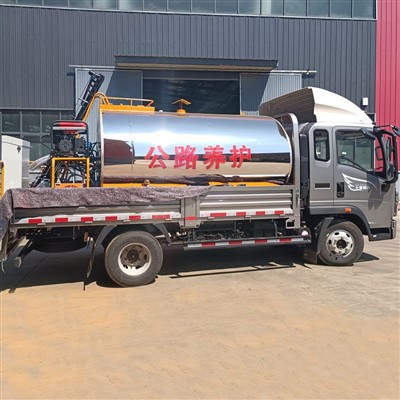
Chemical resistance is a crucial factor when it comes to asphalt distributor tanks. As a supplier of asphalt distributor tanks, I understand the significance of ensuring that these tanks can withstand various chemicals encountered in the asphalt distribution process. In this blog, we will delve into the concept of chemical resistance in asphalt distributor tanks, exploring the factors that influence it, the types of chemicals they may encounter, and how we, as a supplier, ensure the durability and performance of our tanks.
Understanding Chemical Resistance
Chemical resistance refers to the ability of a material to withstand the corrosive effects of chemicals without significant degradation. In the context of asphalt distributor tanks, this means that the tank material should be able to resist the chemical attack from asphalt, additives, and other substances that it comes into contact with during the storage and distribution process. A tank with good chemical resistance will have a longer service life, reduced maintenance costs, and improved safety.
Factors Influencing Chemical Resistance
Several factors can influence the chemical resistance of an asphalt distributor tank. The first and most obvious factor is the material of the tank. Common materials used for asphalt distributor tanks include steel, aluminum, and fiberglass. Each material has its own unique chemical resistance properties.
- Steel Tanks: Steel is a widely used material for asphalt distributor tanks due to its strength and durability. However, steel is susceptible to corrosion when exposed to certain chemicals, especially those that are acidic or contain salts. To enhance the chemical resistance of steel tanks, they are often coated with a protective layer, such as epoxy or polyurethane. These coatings act as a barrier between the steel and the chemicals, preventing corrosion.
- Aluminum Tanks: Aluminum is another popular choice for asphalt distributor tanks. It is lightweight, corrosion-resistant, and has good thermal conductivity. Aluminum naturally forms a thin oxide layer on its surface, which provides some protection against corrosion. However, this oxide layer can be damaged by certain chemicals, such as strong acids and alkalis. To improve the chemical resistance of aluminum tanks, they can be anodized or coated with a protective paint.
- Fiberglass Tanks: Fiberglass is a composite material made of glass fibers embedded in a resin matrix. It is known for its excellent chemical resistance, especially against acids, alkalis, and solvents. Fiberglass tanks are also lightweight, non-corrosive, and have good insulation properties. However, they are more expensive than steel and aluminum tanks and may require more careful handling during installation and maintenance.
Another factor that affects chemical resistance is the temperature and pressure conditions under which the tank operates. Higher temperatures and pressures can accelerate the chemical reactions between the tank material and the chemicals, leading to faster corrosion. Therefore, it is important to design the tank to withstand the expected temperature and pressure ranges in the asphalt distribution process.
The duration of exposure to chemicals also plays a role in chemical resistance. Prolonged exposure to certain chemicals can gradually degrade the tank material, even if it has good initial chemical resistance. Regular inspection and maintenance of the tank can help detect any signs of corrosion early and take appropriate measures to prevent further damage.
Types of Chemicals Encountered
Asphalt distributor tanks come into contact with a variety of chemicals during their operation. The most common chemical is asphalt itself, which is a complex mixture of hydrocarbons. Asphalt can vary in its chemical composition depending on its source and the refining process. Some asphalts may contain acidic or alkaline components, which can have a corrosive effect on the tank material.
In addition to asphalt, asphalt distributor tanks may also be exposed to additives and modifiers that are used to improve the performance of the asphalt. These additives can include polymers, antioxidants, and anti-stripping agents. Some of these additives may be chemically reactive and can interact with the tank material, potentially causing corrosion.
Other chemicals that asphalt distributor tanks may encounter include cleaning agents and solvents used for tank maintenance. These chemicals can be highly corrosive and need to be carefully selected to ensure that they do not damage the tank material.
Ensuring Chemical Resistance in Our Tanks
As a supplier of asphalt distributor tanks, we take several measures to ensure the chemical resistance of our products. First, we carefully select the materials for our tanks based on the specific requirements of the application. For example, if the tank will be used in a harsh chemical environment, we may recommend a fiberglass tank or a steel tank with a high-quality protective coating.
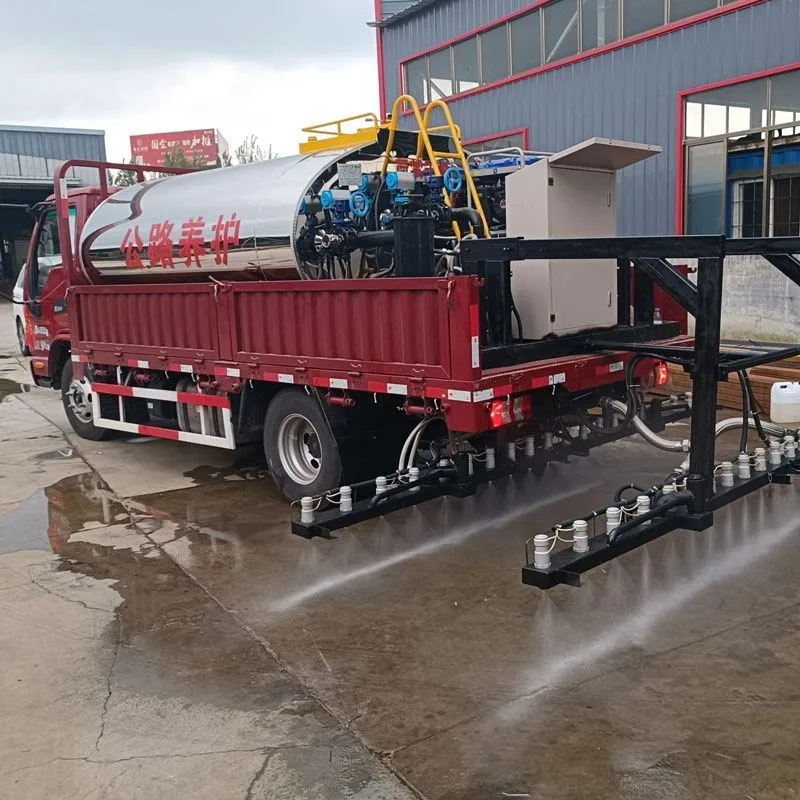
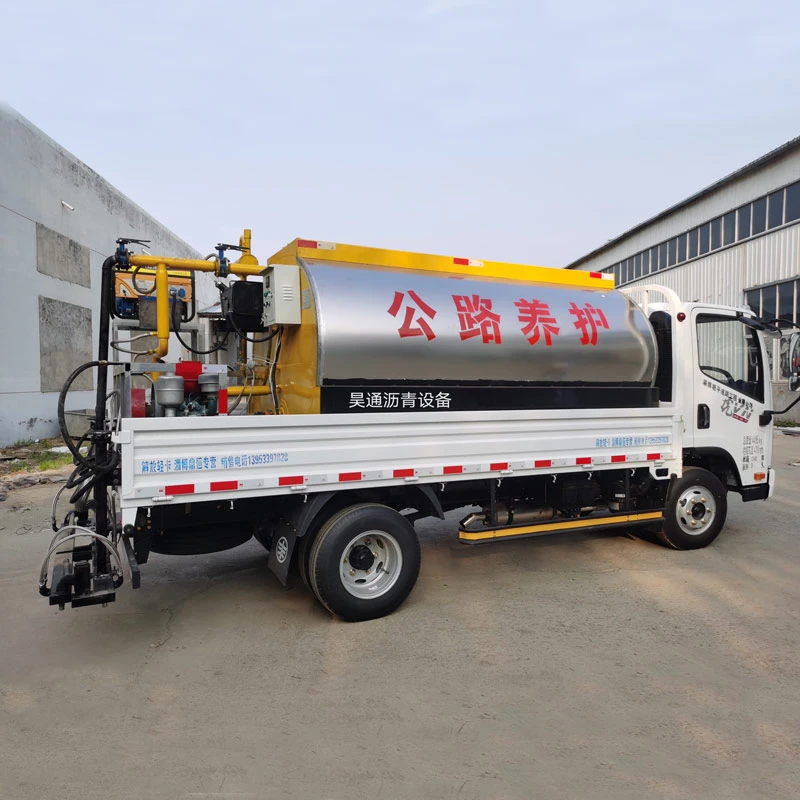
We also pay close attention to the manufacturing process to ensure that the tanks are built to the highest standards. Our tanks are fabricated using advanced welding and fabrication techniques to ensure a strong and leak-proof structure. After fabrication, the tanks are thoroughly inspected and tested to ensure that they meet our quality standards.
In addition to material selection and manufacturing quality, we also provide our customers with detailed instructions on how to properly maintain and operate the tanks. This includes guidelines on the use of cleaning agents and solvents, as well as recommendations for regular inspection and maintenance. By following these instructions, our customers can extend the service life of their tanks and ensure their continued performance.
Our Product Range
We offer a wide range of asphalt distributor tanks to meet the diverse needs of our customers. Our product range includes Intelligent Asphalt Distributor Truck, Standard Asphalt Distributor, and Intelligent Asphalt Distributor. These products are designed with the latest technology and features to provide efficient and reliable asphalt distribution.
Our intelligent asphalt distributor trucks are equipped with advanced control systems that allow for precise and accurate asphalt application. They also feature a self-diagnostic system that can detect and alert the operator to any potential problems. Our standard asphalt distributors are simple and reliable, offering a cost-effective solution for asphalt distribution. Our intelligent asphalt distributors combine the features of the intelligent asphalt distributor truck and the standard asphalt distributor, providing a high-performance and versatile option.
Contact Us for Purchase and Negotiation
If you are in the market for an asphalt distributor tank, we invite you to contact us for more information. Our team of experts will be happy to assist you in selecting the right tank for your needs and provide you with a competitive quote. We are committed to providing our customers with high-quality products and excellent customer service. Whether you are a small contractor or a large construction company, we have the solution for you.
References
- ASTM International. (20XX). Standard Specification for Steel Tanks for Oil Storage.
- National Association of Corrosion Engineers (NACE). (20XX). Corrosion Control in the Petroleum Industry.
- Fiberglass Reinforced Plastics (FRP) Tank Institute. (20XX). Design and Construction of FRP Tanks.