What is the corrosion - resistance requirement for a modified bitumen plant?
As a supplier of modified bitumen plants, I understand the critical importance of corrosion resistance in these facilities. Modified bitumen is a crucial material in the construction industry, used for roofing, waterproofing, and road paving. A well - functioning modified bitumen plant is essential for producing high - quality modified bitumen, and corrosion resistance is a key factor in ensuring the plant's longevity and efficiency.
The Corrosive Environment in a Modified Bitumen Plant
Modified bitumen plants operate in a highly corrosive environment. The raw materials used in the production process, such as bitumen, polymers, and various additives, can be corrosive to the plant's equipment. Bitumen itself contains sulfur compounds and other acidic substances that can react with metal surfaces over time. Polymers, especially when they are in a molten state during the mixing process, can also have a corrosive effect on the materials of the plant.
In addition, the high - temperature and high - pressure conditions within the plant further exacerbate the corrosion problem. At elevated temperatures, the chemical reactions between the corrosive substances and the metal surfaces occur more rapidly. High - pressure environments can also cause physical stress on the equipment, which may lead to cracks and crevices where corrosion can start and spread.
Corrosion - Resistance Requirements for Different Components
- Storage Tanks
Storage tanks are used to hold the raw materials and the finished modified bitumen. These tanks need to have a high level of corrosion resistance. Stainless steel is a commonly used material for storage tanks due to its excellent corrosion - resistant properties. It forms a passive oxide layer on its surface, which protects the underlying metal from further corrosion. The thickness of the stainless - steel tank walls should be carefully selected based on the type of material stored and the expected service life. For example, if the tank is used to store bitumen with a high sulfur content, a thicker wall of high - grade stainless steel may be required. - Mixing Units
The mixing units are where the bitumen, polymers, and additives are combined. These units are constantly in contact with the corrosive mixture and are subject to mechanical wear due to the mixing action. The inner surfaces of the mixing chambers should be lined with corrosion - resistant materials such as ceramic or rubber. Ceramic linings offer excellent resistance to abrasion and corrosion, while rubber linings can provide a flexible barrier against the corrosive substances. The agitators in the mixing units also need to be made of corrosion - resistant materials, such as stainless steel or coated with a corrosion - resistant paint. - Piping Systems
Piping systems are used to transfer the raw materials and the finished products within the plant. The pipes are exposed to the corrosive fluids flowing through them, as well as the external environment. Carbon steel pipes with a corrosion - resistant coating are often used. Epoxy coatings are popular because they provide a strong and durable barrier against corrosion. The joints in the piping system are particularly vulnerable to corrosion, so proper sealing and corrosion - protection measures should be taken. For example, using gaskets made of corrosion - resistant materials and applying anti - corrosion compounds at the joints. - Heating Systems
Heating systems are necessary to maintain the bitumen and polymers in a molten state. The heating elements and the heat - transfer surfaces are exposed to high temperatures and corrosive substances. In some cases, electric heating elements may be used, and they need to be protected from corrosion. For heat - transfer systems, such as heat exchangers, materials with good thermal conductivity and corrosion resistance, like titanium or certain types of copper alloys, may be used.
Testing and Quality Assurance
To ensure that the modified bitumen plant meets the corrosion - resistance requirements, rigorous testing and quality - assurance procedures should be implemented.
- Material Testing
Before the materials are used in the construction of the plant, they should be tested for their corrosion - resistant properties. This can include immersion tests in simulated corrosive environments, where the samples are exposed to the same or similar conditions as in the actual plant. Electrochemical tests can also be used to measure the corrosion rate of the materials. - Non - Destructive Testing
After the plant is constructed, non - destructive testing methods can be used to detect any potential corrosion or defects in the equipment. Ultrasonic testing can be used to detect internal cracks in the metal components, while magnetic particle testing can be used to detect surface and near - surface defects. - Regular Inspections
Regular inspections of the plant should be carried out during its operation. Visual inspections can be used to detect any signs of corrosion, such as rust or discoloration. In addition, thickness measurements of the equipment walls can be taken to monitor the rate of corrosion over time.
The Impact of Corrosion on the Plant's Performance and Economics
Corrosion can have a significant impact on the performance and economics of a modified bitumen plant.
- Performance
Corrosion can lead to the deterioration of the equipment, which can affect the quality of the modified bitumen produced. For example, if the mixing units are corroded, the mixing efficiency may be reduced, resulting in an uneven distribution of the polymers and additives in the bitumen. This can lead to poor - quality modified bitumen with inconsistent properties. - Economics
The cost of repairing or replacing corroded equipment can be substantial. In addition, downtime due to equipment failure caused by corrosion can result in lost production and revenue. By investing in high - quality corrosion - resistant materials and proper maintenance, the long - term economic benefits can be significant. The plant can operate more efficiently, with fewer breakdowns and lower maintenance costs.
Conclusion
As a supplier of Polymer Modified Bitumen Equipment, Polymer Modified Bitumen Plant, and Polymer Modified Asphalt Plant, we are committed to providing plants that meet the highest corrosion - resistance requirements. We understand that corrosion resistance is not only about using the right materials but also about proper design, installation, and maintenance.
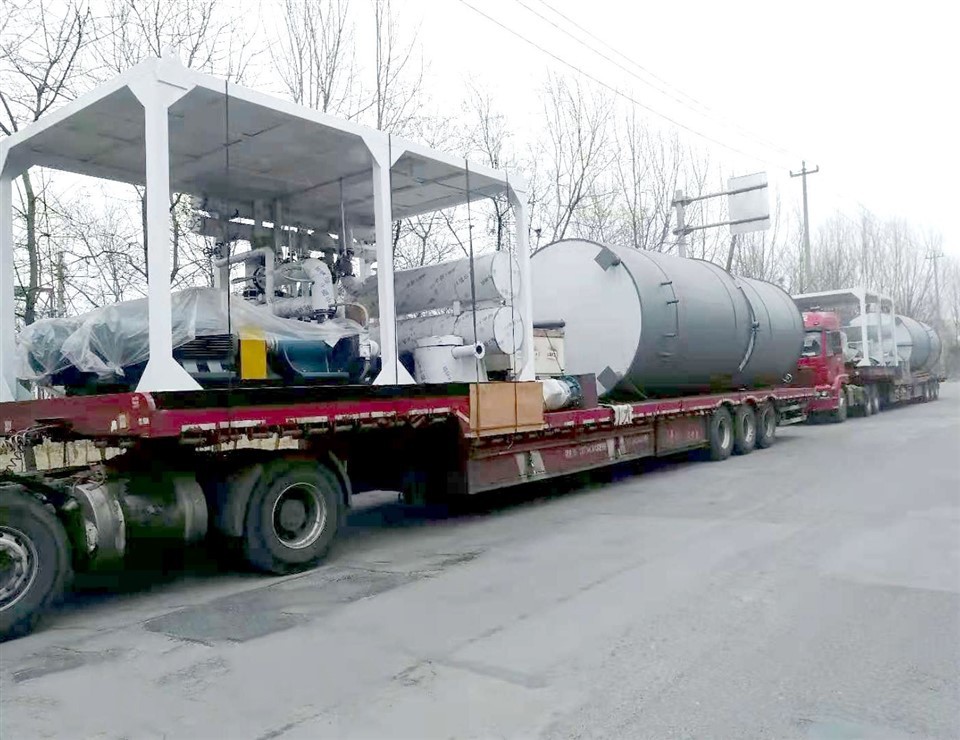

If you are in the market for a modified bitumen plant and want to ensure that it has excellent corrosion - resistant properties, we invite you to contact us for a detailed discussion. Our team of experts can provide you with customized solutions based on your specific requirements.
References
- Fontana, M. G. (1986). Corrosion Engineering. McGraw - Hill.
- Uhlig, H. H., & Revie, R. W. (1985). Corrosion and Corrosion Control. Wiley.
- ASM Handbook Committee. (1996). ASM Handbook: Corrosion. ASM International.