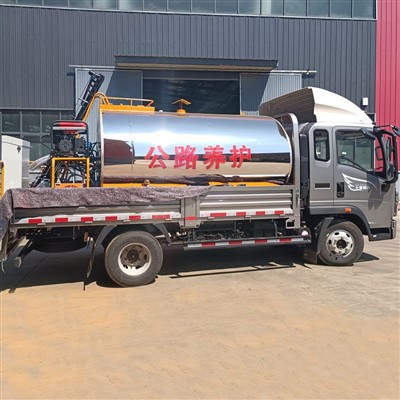
As a supplier of emulsion bitumen plants, I often get asked about the cost of these essential pieces of equipment. The cost of an emulsion bitumen plant can vary significantly based on a multitude of factors. In this blog post, I'll break down the key elements that influence the cost and provide you with a comprehensive understanding of what to expect when investing in such a plant.
1. Capacity of the Plant
One of the most significant factors affecting the cost of an emulsion bitumen plant is its production capacity. Plants with higher production capacities generally cost more. A small - scale emulsion bitumen plant, which might have a production capacity of around 5 - 10 tons per hour, is relatively more affordable. These plants are suitable for small - to - medium - sized construction projects, road maintenance work in local areas, or for companies just starting in the bitumen emulsion business.
On the other hand, large - scale plants with production capacities of 20 tons per hour or more are designed for major infrastructure projects, large - scale road construction, and for companies that supply bitumen emulsion to multiple contractors. The increased cost of large - capacity plants is due to the larger size of the equipment, more powerful motors, and the need for more advanced control systems to manage the high - volume production. For example, a high - capacity plant requires larger storage tanks for bitumen, water, and additives, as well as more robust pumps and mixers to handle the increased flow rates. You can explore Bitumen Emulsion Equipment on our website to get an idea of the different equipment options available for various capacities.
2. Technology and Automation Level
The level of technology and automation incorporated into an emulsion bitumen plant also has a substantial impact on its cost. Basic, manually - operated plants are the most cost - effective option. These plants require operators to control the flow of bitumen, water, and additives, adjust the mixing speed, and monitor the temperature and pressure throughout the production process. While they are cheaper to purchase, they may require more labor and are generally less efficient compared to automated plants.
Automated emulsion bitumen plants, on the other hand, use advanced control systems to regulate all aspects of the production process. These systems can precisely control the ratio of bitumen to water, the dosage of additives, and the temperature and pressure within the plant. They also offer features such as remote monitoring and data logging, which can improve the quality and consistency of the bitumen emulsion produced. However, the advanced technology and automation come at a higher cost. You can learn more about the features of automated plants in our Bitumen Emulsion Plant section.
3. Quality of Components
The quality of the components used in an emulsion bitumen plant is another crucial factor in determining its cost. High - quality components, such as pumps, mixers, valves, and heating systems, are more expensive but offer several advantages. They are more durable, require less maintenance, and can provide a more consistent and reliable performance over the long term.

For example, a high - quality mixer with a powerful motor and well - designed blades can ensure a more thorough and homogeneous mixing of bitumen and water, resulting in a better - quality emulsion. Similarly, a reliable heating system can maintain the bitumen at the optimal temperature throughout the production process, preventing issues such as clogging and uneven emulsification. On the contrary, plants that use lower - quality components may be cheaper upfront but can lead to higher maintenance costs and a shorter lifespan. If you are interested in high - quality components for modified asphalt emulsification, check out our Modified Asphalt Emulsification Equipment.
4. Customization Requirements
Customization is often a key consideration for many customers. Some projects may require specific features or configurations in the emulsion bitumen plant. For example, a plant may need to be designed to handle a particular type of bitumen or additive, or it may need to be built to fit into a specific space or meet certain environmental regulations.
Customizing a plant involves additional engineering and design work, which can increase the cost. However, it ensures that the plant is tailored to the specific needs of the project, which can lead to better performance and efficiency in the long run. When discussing customization options with our customers, we take into account their unique requirements and provide them with a detailed cost estimate based on the proposed modifications.
5. Installation and Commissioning
The cost of installing and commissioning an emulsion bitumen plant should not be overlooked. Installation involves transporting the plant to the site, assembling the various components, and connecting them to the necessary utilities such as water, electricity, and bitumen storage tanks. Commissioning, on the other hand, includes testing the plant to ensure that it is operating correctly and producing the desired quality of bitumen emulsion.

The installation and commissioning costs can vary depending on the location of the site, the complexity of the plant, and the local labor rates. In some cases, a remote or difficult - to - access site may require additional transportation and setup costs. Our team of experts is experienced in handling the installation and commissioning process efficiently, ensuring that the plant is up and running as quickly as possible.
6. After - Sales Support
After - sales support is an important aspect of the overall cost of an emulsion bitumen plant. A reliable supplier should offer comprehensive after - sales support, including maintenance services, spare parts availability, and technical assistance. While a plant with good after - sales support may have a slightly higher upfront cost, it can save you a significant amount of money in the long term.
Regular maintenance can prevent major breakdowns and extend the lifespan of the plant. Having easy access to spare parts ensures that any faulty components can be replaced quickly, minimizing downtime. Technical assistance from experienced engineers can also help you troubleshoot any issues that may arise during the operation of the plant.
Cost Range
Considering all these factors, the cost of an emulsion bitumen plant can range from tens of thousands of dollars for a small, basic plant to several hundred thousand dollars or more for a large, high - tech, customized plant. For small - scale, manually - operated plants with a capacity of 5 - 10 tons per hour, the cost may start from around $30,000 - $50,000. Medium - sized plants with a capacity of 10 - 20 tons per hour and some level of automation can cost between $50,000 - $150,000. Large - scale, fully automated plants with a capacity of 20 tons per hour or more can cost upwards of $150,000, depending on the level of customization and the quality of components.
Conclusion
Investing in an emulsion bitumen plant is a significant decision that requires careful consideration of various factors. While the cost is an important aspect, it should not be the only factor you consider. You need to evaluate the production capacity, technology, component quality, customization requirements, installation and commissioning costs, and after - sales support when making your decision.
If you are in the market for an emulsion bitumen plant and want to discuss your specific requirements and get a detailed cost estimate, we encourage you to reach out to us. Our team of experts is ready to assist you in finding the most suitable plant for your needs and budget. Contact us today to start the purchasing and negotiation process.
References
- Asphalt Institute. (20XX). Emulsion Bitumen Technology and Applications.
- National Asphalt Pavement Association. (20XX). Guide to Bitumen Emulsion Production.