Bitumen pavements are widely used in road construction due to their excellent performance in providing a smooth and durable driving surface. The elasticity of bitumen pavements is a crucial factor that affects their resistance to cracking, rutting, and fatigue. Bitumen emulsifiers, as key additives in the production of bitumen emulsions, play a significant role in influencing the elasticity of bitumen pavements. As a bitumen emulsifier supplier, I am deeply involved in understanding and optimizing this relationship to offer high - quality products to the market.


Understanding Bitumen Elasticity
Elasticity in bitumen pavements refers to the ability of the bitumen to deform under load and then return to its original shape when the load is removed. This property is essential for withstanding the repeated stresses caused by traffic, temperature variations, and environmental factors. A more elastic bitumen pavement can better absorb and distribute the forces exerted on it, reducing the likelihood of permanent deformation and cracking.
The elasticity of bitumen is influenced by several factors, including its chemical composition, temperature, and the presence of additives. Bitumen is a complex mixture of hydrocarbons, and its molecular structure determines its physical properties. At lower temperatures, bitumen becomes stiffer and less elastic, while at higher temperatures, it becomes more fluid. This temperature - dependent behavior can lead to performance issues, such as thermal cracking in cold weather and rutting in hot weather.
The Role of Bitumen Emulsifiers
Bitumen emulsifiers are substances that help disperse bitumen in water to form a stable emulsion. They work by reducing the surface tension between the bitumen and water, allowing the bitumen droplets to remain suspended in the water phase. There are different types of bitumen emulsifiers, including anionic and cationic emulsifiers, each with its own unique properties and applications.
When bitumen emulsifiers are added to bitumen, they can have a profound impact on the elasticity of the resulting bitumen pavement. One of the main ways they do this is by modifying the interaction between the bitumen molecules. Emulsifiers can adsorb onto the surface of bitumen droplets, creating a protective layer that affects the way the molecules interact with each other. This can lead to changes in the rheological properties of the bitumen, including its elasticity.
Anionic Bitumen Emulsifiers
Anionic bitumen emulsifiers have a negative charge on their hydrophilic end. They are commonly used in applications where the aggregate has a negative surface charge, as they can form a strong bond with the aggregate. Anionic bitumen emulsions, such as those described on the Anionic Bitumen Emulsion page, are often used in surface treatments and chip seals.
Anionic emulsifiers can improve the elasticity of bitumen pavements by promoting better dispersion of the bitumen in the emulsion. This more uniform distribution of bitumen can lead to a more homogeneous pavement structure, which in turn enhances the overall elasticity. Additionally, anionic emulsifiers can interact with the bitumen molecules in a way that increases their flexibility, allowing the pavement to better adapt to deformation.
Cationic Bitumen Emulsifiers
Cationic bitumen emulsifiers have a positive charge on their hydrophilic end. They are particularly effective in bonding with negatively charged aggregates and are widely used in applications such as cold - mix asphalt and slurry seals. Cationic emulsions, as detailed on the Cationic Emulsion page, offer several advantages in terms of elasticity.
Cationic emulsifiers can form a strong electrostatic bond with the bitumen and the aggregate, which helps to improve the cohesion and adhesion of the pavement. This enhanced bonding can increase the resistance of the pavement to deformation, thereby improving its elasticity. Moreover, cationic emulsifiers can also influence the internal structure of the bitumen, making it more elastic and better able to withstand repeated loading.
Impact on Pavement Performance
The improved elasticity of bitumen pavements due to the use of bitumen emulsifiers has several positive impacts on pavement performance.
Resistance to Cracking
One of the most significant benefits is the increased resistance to cracking. Elastic pavements can better accommodate the stresses caused by temperature changes and traffic loads without cracking. For example, during cold weather, an elastic bitumen pavement can contract and expand without forming cracks, as it can deform elastically. Bitumen emulsifiers help to achieve this enhanced elasticity, reducing the occurrence of thermal cracking and reflective cracking.
Rutting Resistance
Rutting is another common problem in bitumen pavements, especially in areas with heavy traffic. Elastic pavements are better able to resist the permanent deformation caused by the repeated passage of vehicles. Bitumen emulsifiers can improve the internal structure of the bitumen, making it more resistant to the shearing forces that cause rutting. This results in a longer - lasting pavement with a smoother surface.
Fatigue Resistance
Fatigue cracking occurs due to the repeated application of traffic loads over time. Elastic pavements can better withstand these cyclic loads without developing cracks. Bitumen emulsifiers enhance the fatigue resistance of bitumen pavements by improving the elasticity of the bitumen, allowing it to recover from deformation more effectively.
Case Studies and Research Findings
Numerous research studies have been conducted to investigate the effect of bitumen emulsifiers on the elasticity of bitumen pavements. For example, a study published in a leading civil engineering journal compared the performance of bitumen pavements with and without the use of bitumen emulsifiers. The results showed that the pavements with emulsifiers had significantly higher elasticity, as measured by dynamic modulus tests.
In a real - world case study, a road construction project in a region with extreme temperature variations used bitumen emulsions containing high - quality emulsifiers. The resulting pavement showed excellent resistance to cracking and rutting, even after several years of heavy traffic. This demonstrated the practical benefits of using bitumen emulsifiers to improve the elasticity of bitumen pavements.
Our Offerings as a Bitumen Emulsifier Supplier
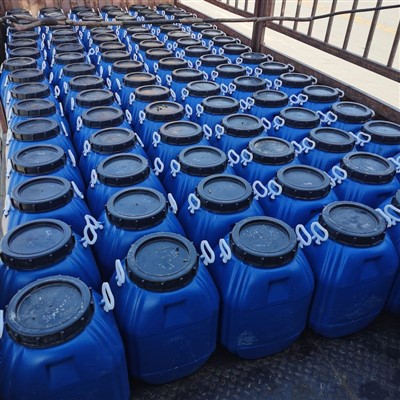
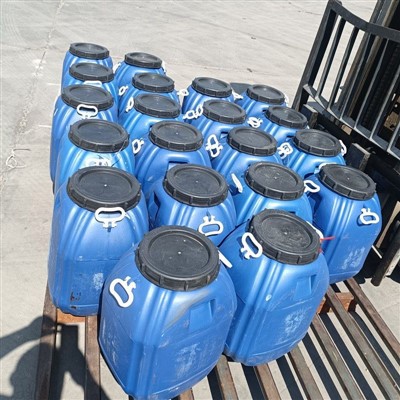
As a bitumen emulsifier supplier, we offer a wide range of high - quality emulsifiers, including Emulsified Asphalt Liquid, anionic bitumen emulsions, and cationic emulsions. Our products are carefully formulated to provide optimal performance in different applications and environmental conditions.
We conduct extensive research and development to continuously improve the properties of our emulsifiers. Our team of experts works closely with customers to understand their specific needs and recommend the most suitable emulsifiers for their projects. We also provide technical support and guidance throughout the construction process to ensure the successful use of our products.
Contact for Procurement and Collaboration
If you are involved in road construction or related industries and are interested in improving the elasticity of your bitumen pavements, we invite you to contact us for procurement and collaboration. Our bitumen emulsifiers can help you achieve better pavement performance, longer service life, and cost - effective solutions. Whether you are working on a small - scale project or a large - scale infrastructure development, we have the products and expertise to meet your requirements.
References
- Smith, J. (20XX). "The Rheological Properties of Bitumen Modified by Emulsifiers." Journal of Civil Engineering Research.
- Johnson, A. (20XX). "Case Studies on the Use of Bitumen Emulsions in Road Construction." International Journal of Pavement Engineering.
- Brown, C. (20XX). "Effect of Emulsifiers on the Fatigue Resistance of Bitumen Pavements." Transportation Research Record.