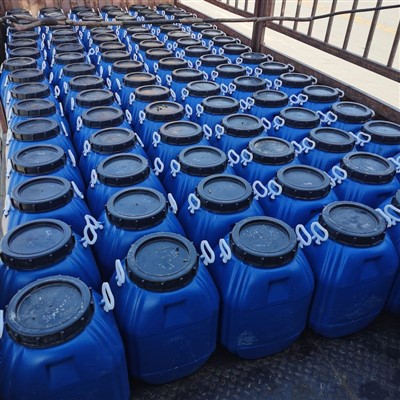
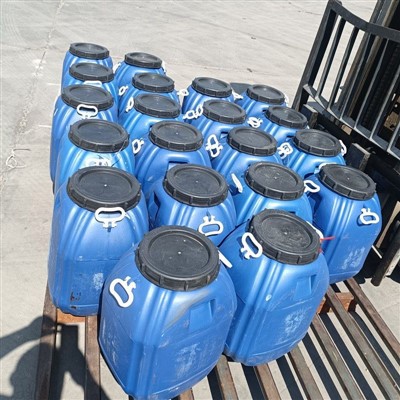
Hey there! As a supplier of emulsion bitumen plants, I often get asked about the emulsifiers used in these plants. So, I thought I'd take a moment to break it down for you.
First off, let's understand what an emulsion bitumen plant does. It basically turns bitumen, which is a thick, sticky substance, into a more manageable form called an emulsion. This emulsion is a mixture of bitumen droplets dispersed in water, and it's used in a whole bunch of applications like road construction, waterproofing, and even in some industrial processes.
Now, the key player in making this emulsion happen is the emulsifier. An emulsifier is a special chemical that keeps the bitumen droplets from clumping together and separating from the water. It's like a little peacekeeper in the emulsion, making sure everything stays nice and evenly mixed.
There are different types of emulsifiers out there, and the choice depends on a few factors. One of the main things is the type of bitumen you're using. Different bitumens have different properties, and you need an emulsifier that can work well with them. For example, if you're using a harder bitumen, you might need a different emulsifier than if you're using a softer one.
Another factor is the end - use of the emulsion. If it's for road construction, you'll want an emulsifier that can give the emulsion good adhesion and durability. On the other hand, if it's for waterproofing, the emulsifier might need to provide different properties like better water - resistance.
Let's talk about some common types of emulsifiers. One of the most widely used types is cationic emulsifiers. These emulsifiers have a positive charge, and they work great with most types of bitumen. They're really good at sticking to aggregates (the small stones and sand used in road construction), which makes them ideal for road applications. Cationic emulsions are often used in surface treatments like chip seals, where the emulsion needs to quickly bond with the aggregates on the road surface.
Anionic emulsifiers, on the other hand, have a negative charge. They're typically used when you need an emulsion that's more stable in alkaline conditions. Anionic emulsions are sometimes used in industrial applications or in situations where the aggregates have a negative surface charge.
Non - ionic emulsifiers are also available. These don't have a charge, and they're known for their good stability over a wide range of pH values. They can be used in various applications, especially when you need an emulsion that's less sensitive to changes in the environment.
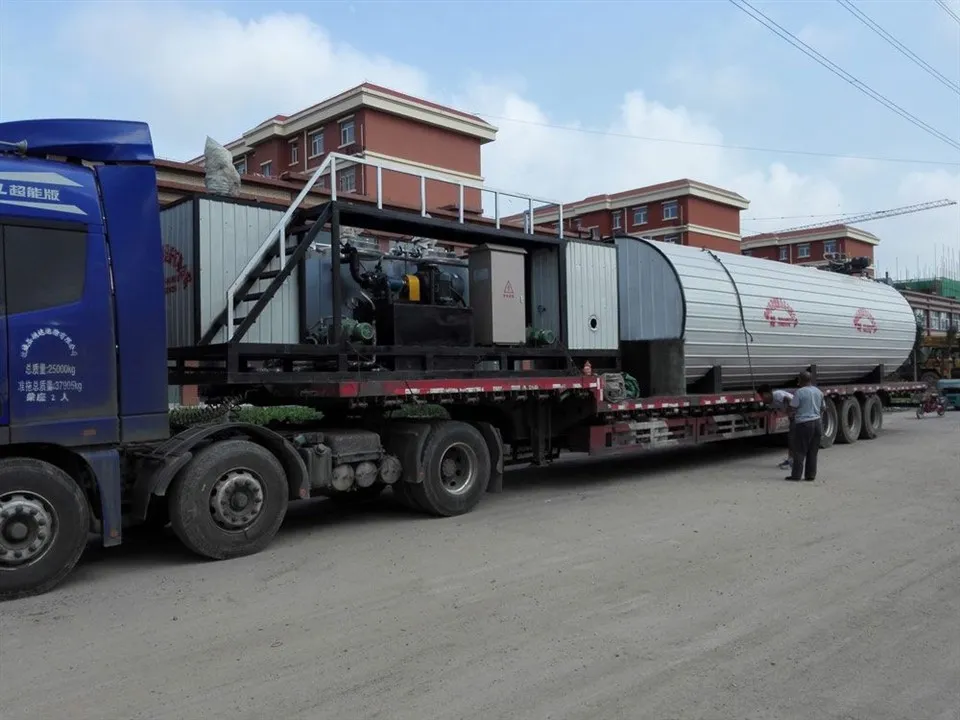
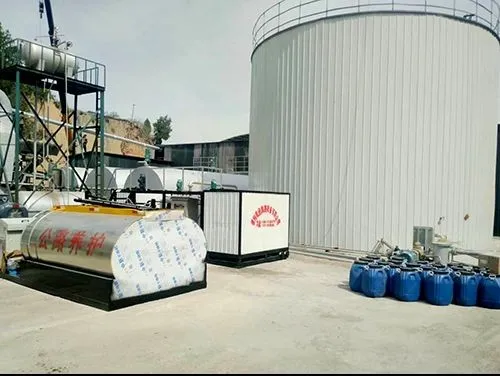
Now, when it comes to our emulsion bitumen plants, we've got the expertise to work with different emulsifiers. We can help you choose the right one based on your specific needs. Our Modified Emulsified Asphalt Complete Equipment is designed to handle different types of emulsions, ensuring that you get a high - quality product every time.
Our Modified Asphalt Emulsification Equipment is also top - notch. It's built to mix the bitumen, water, and emulsifier thoroughly, creating a uniform and stable emulsion. And if you're just looking for general Emulsion Bitumen Equipment, we've got you covered too.
The process of using an emulsifier in our emulsion bitumen plants is pretty straightforward. First, the bitumen is heated to make it more fluid. Then, the emulsifier is added to water, and this mixture is called the soap solution. The heated bitumen and the soap solution are then pumped into a colloid mill, which is a special machine that breaks the bitumen into tiny droplets and disperses them in the water. The emulsifier molecules surround the bitumen droplets, preventing them from merging back together.
Once the emulsion is made, it's important to test it to make sure it meets the required specifications. We have quality control measures in place to check things like the particle size of the bitumen droplets, the stability of the emulsion over time, and its performance in different conditions.
If you're in the market for an emulsion bitumen plant or just want to learn more about emulsifiers, we're here to help. We've got a team of experts who can answer all your questions and guide you through the process of choosing the right equipment and emulsifier for your needs. Whether you're a small - scale contractor or a large - scale industrial user, we can provide solutions that fit your requirements.
So, if you're interested in starting a project that involves emulsion bitumen, don't hesitate to reach out. We can have a chat about your specific needs, and we'll work with you to come up with the best plan. You can get in touch with us to start the procurement process and have a detailed discussion about how our equipment and emulsifiers can work for you.
In conclusion, emulsifiers are a crucial part of the emulsion bitumen plant process. They play a vital role in creating a stable and high - quality emulsion that can be used in a variety of applications. With our experience as a supplier of emulsion bitumen plants, we're confident that we can help you make the most of this technology.
References
- Asphalt Emulsion Technology Handbook
- Bitumen and Bituminous Mixtures: Design, Performance, and Recycling by A. Apeagyei