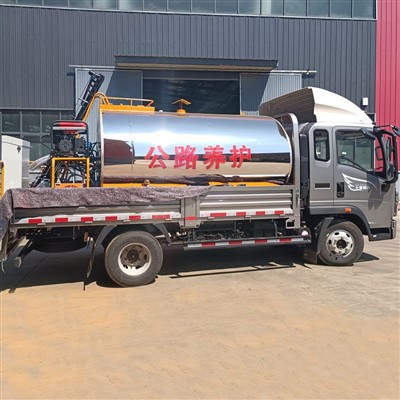
What is the hydraulic system of an Asphalt Distributor Truck?
As a supplier of Asphalt Distributor Trucks, I am often asked about the various components that make these vehicles so efficient and reliable in road construction and maintenance. One of the most critical parts of an Asphalt Distributor Truck is its hydraulic system. In this blog post, I will delve into what the hydraulic system of an Asphalt Distributor Truck is, how it works, and its importance in the overall functionality of the truck.
Understanding the Basics of a Hydraulic System
A hydraulic system is a technology that uses a liquid, typically oil, to transmit power. It operates on the principle of Pascal's Law, which states that when pressure is applied to a confined fluid, the pressure change occurs throughout the entire fluid. In the context of an Asphalt Distributor Truck, the hydraulic system is responsible for controlling several key functions, such as the movement of the asphalt spray bar, the operation of valves, and the transfer of asphalt from the storage tank to the spray nozzles.
Components of the Hydraulic System in an Asphalt Distributor Truck
-
Hydraulic Pump
The hydraulic pump is the heart of the hydraulic system. It is responsible for converting mechanical energy from the truck's engine into hydraulic energy. There are different types of hydraulic pumps used in Asphalt Distributor Trucks, including gear pumps, vane pumps, and piston pumps. Gear pumps are the most common due to their simplicity, reliability, and cost - effectiveness. They work by meshing two gears together, which creates a vacuum that draws in hydraulic fluid and then forces it out under pressure. -
Hydraulic Reservoir
The hydraulic reservoir is a tank that stores the hydraulic fluid. It also serves as a heat exchanger, allowing the fluid to cool down before it is recirculated through the system. The reservoir is usually equipped with a filter to remove any contaminants from the fluid, ensuring the smooth operation of the hydraulic components. -
Hydraulic Valves
Hydraulic valves are used to control the flow, pressure, and direction of the hydraulic fluid. In an Asphalt Distributor Truck, there are several types of valves, including directional control valves, pressure control valves, and flow control valves. Directional control valves determine the path of the fluid, allowing it to flow to different parts of the system as needed. Pressure control valves maintain the desired pressure in the system, preventing over - pressurization that could damage the components. Flow control valves regulate the speed of the hydraulic actuators, such as the cylinders that move the spray bar. -
Hydraulic Actuators
Hydraulic actuators are devices that convert hydraulic energy back into mechanical energy. In an Asphalt Distributor Truck, the most common hydraulic actuators are hydraulic cylinders and hydraulic motors. Hydraulic cylinders are used to move the spray bar up and down, left and right, allowing for precise asphalt distribution. Hydraulic motors are used to power other components, such as the asphalt transfer pump.
How the Hydraulic System Works in an Asphalt Distributor Truck
When the truck's engine is running, the hydraulic pump starts to draw hydraulic fluid from the reservoir. The pump then pressurizes the fluid and sends it through the hydraulic lines to the various valves and actuators.
To control the movement of the spray bar, the operator uses a control panel in the cab of the truck. When the operator activates a control switch, the corresponding directional control valve directs the pressurized hydraulic fluid to the appropriate hydraulic cylinder. The fluid enters the cylinder, causing the piston to move, which in turn moves the spray bar.
For the asphalt transfer process, the hydraulic motor is used to power the asphalt transfer pump. The pressurized hydraulic fluid is sent to the hydraulic motor, which rotates the motor shaft. The motor shaft is connected to the asphalt transfer pump, which then draws asphalt from the storage tank and pumps it to the spray nozzles.
Importance of the Hydraulic System in an Asphalt Distributor Truck
-
Precision and Control
The hydraulic system allows for precise control of the asphalt distribution process. The operator can adjust the position and angle of the spray bar with high accuracy, ensuring that the asphalt is applied evenly and in the right amount. This precision is crucial for achieving a high - quality road surface. -
Efficiency
Hydraulic systems are known for their high power - to - weight ratio. They can generate a large amount of force with relatively small components, which makes the Asphalt Distributor Truck more compact and fuel - efficient. The hydraulic system also enables quick and smooth operation, reducing the time required for asphalt distribution. -
Reliability
Hydraulic components are designed to be durable and reliable. They can withstand harsh operating conditions, such as high temperatures and vibrations, which are common in road construction environments. With proper maintenance, the hydraulic system of an Asphalt Distributor Truck can have a long service life, minimizing downtime and repair costs.
Different Types of Asphalt Distributor Trucks and Their Hydraulic Systems
There are different types of Asphalt Distributor Trucks available in the market, such as the Asphalt Distributor Truck, Intelligent Asphalt Distributor, and Automatic Asphalt Distributor.


The Asphalt Distributor Truck is a basic model that provides reliable asphalt distribution. Its hydraulic system is designed to perform the essential functions of moving the spray bar and transferring asphalt.
The Intelligent Asphalt Distributor is equipped with advanced sensors and control systems. The hydraulic system in this type of truck is integrated with the intelligent control system, allowing for more precise and automated asphalt distribution. The sensors can detect factors such as the speed of the truck, the temperature of the asphalt, and the road surface conditions, and adjust the hydraulic system accordingly.
The Automatic Asphalt Distributor takes automation to the next level. Its hydraulic system is designed to work in conjunction with a fully automated control system. The truck can automatically adjust the asphalt flow rate, spray pattern, and spray bar position based on pre - programmed settings, reducing the need for manual intervention.
Maintenance of the Hydraulic System
Proper maintenance of the hydraulic system is essential to ensure its optimal performance and longevity. Here are some key maintenance tasks:
- Fluid Checks and Changes
Regularly check the level and quality of the hydraulic fluid. The fluid should be changed at the recommended intervals to prevent contamination and wear of the components. - Filter Replacement
Replace the hydraulic filters regularly to remove any contaminants from the fluid. Clogged filters can restrict the flow of fluid, leading to reduced performance and potential damage to the components. - Inspection of Hydraulic Lines and Fittings
Inspect the hydraulic lines and fittings for any signs of leaks, cracks, or damage. Leaking hydraulic fluid can not only reduce the efficiency of the system but also pose a safety hazard. - Component Lubrication
Some hydraulic components, such as the hydraulic cylinders, require lubrication. Follow the manufacturer's recommendations for lubrication intervals and use the appropriate lubricant.
Conclusion
The hydraulic system is a vital part of an Asphalt Distributor Truck. It provides the power and control necessary for precise and efficient asphalt distribution. As a supplier of Asphalt Distributor Trucks, we understand the importance of a well - designed and maintained hydraulic system. Whether you are in need of a basic Asphalt Distributor Truck, an Intelligent Asphalt Distributor, or an Automatic Asphalt Distributor, we can provide you with a high - quality product that meets your specific requirements.
If you are interested in purchasing an Asphalt Distributor Truck or have any questions about our products, please feel free to contact us for further discussion and negotiation. We are committed to providing you with the best solutions for your road construction and maintenance needs.
References
- "Hydraulic Systems and Components" - A textbook on hydraulic engineering principles.
- Manufacturer's manuals for Asphalt Distributor Trucks.