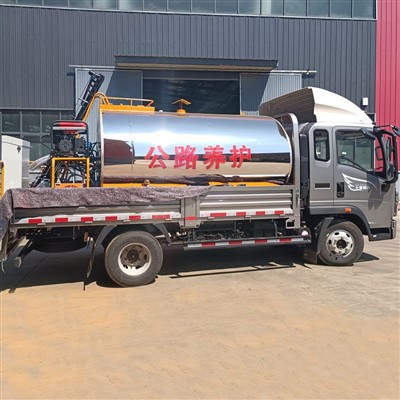
Hey there! As a supplier of asphalt distributors, I often get asked about the maximum spraying pressure of these machines. It's a crucial factor that can significantly impact the quality and efficiency of asphalt spraying projects. So, let's dive right in and explore what the maximum spraying pressure of an asphalt distributor is all about.
First off, what exactly is an asphalt distributor? Well, it's a specialized vehicle or equipment designed to spray asphalt evenly on roads, pavements, and other surfaces. There are different types of asphalt distributors available in the market, such as the Asphalt Distributor Truck, Intelligent Asphalt Distributor, and Intelligent Asphalt Distributor Truck. Each type has its own features and capabilities, but they all share the common goal of delivering asphalt in a controlled manner.
Now, let's talk about the maximum spraying pressure. The maximum spraying pressure of an asphalt distributor refers to the highest amount of force that the machine can generate to push the asphalt through the spray nozzles. This pressure is typically measured in pounds per square inch (psi) or bars. The higher the spraying pressure, the more forcefully the asphalt is ejected from the nozzles, which can result in better coverage and penetration.
But why is the maximum spraying pressure so important? Well, it plays a crucial role in determining the quality of the asphalt application. If the spraying pressure is too low, the asphalt may not spread evenly, resulting in patchy or uneven coverage. On the other hand, if the spraying pressure is too high, it can cause the asphalt to atomize or splatter, leading to waste and a messy application. Therefore, finding the right balance is essential to ensure a smooth and efficient asphalt spraying process.
So, what factors can affect the maximum spraying pressure of an asphalt distributor? There are several factors to consider, including the type of asphalt being used, the viscosity of the asphalt, the size and type of the spray nozzles, and the design and capacity of the distributor itself.
The type of asphalt being used can have a significant impact on the spraying pressure. Different types of asphalt have different viscosities, which is a measure of their resistance to flow. For example, hot mix asphalt (HMA) is typically more viscous than emulsified asphalt, which means it requires a higher spraying pressure to be applied effectively. Therefore, when using HMA, you may need to adjust the spraying pressure accordingly to ensure proper coverage.
The viscosity of the asphalt can also be affected by factors such as temperature and additives. As the temperature of the asphalt decreases, its viscosity increases, which means it becomes more difficult to pump and spray. Therefore, it's important to maintain the asphalt at the appropriate temperature to ensure optimal spraying performance. Additionally, some asphalt additives can be used to reduce the viscosity of the asphalt, making it easier to apply at lower spraying pressures.
The size and type of the spray nozzles also play a crucial role in determining the spraying pressure. Different spray nozzles have different flow rates and spray patterns, which can affect the amount of asphalt being sprayed and the distribution of the asphalt on the surface. For example, a larger spray nozzle will typically allow more asphalt to flow through, but it may also result in a wider spray pattern and a lower spraying pressure. On the other hand, a smaller spray nozzle will typically produce a more concentrated spray pattern and a higher spraying pressure, but it may also require more precise positioning to ensure even coverage.


The design and capacity of the asphalt distributor itself can also affect the maximum spraying pressure. Some asphalt distributors are designed to operate at higher pressures than others, depending on their intended use and the type of asphalt they are designed to handle. Additionally, the capacity of the distributor, which refers to the amount of asphalt it can hold and spray, can also impact the spraying pressure. A larger capacity distributor may be able to maintain a higher spraying pressure for a longer period of time, which can be beneficial for larger projects.
So, what is the typical maximum spraying pressure of an asphalt distributor? Well, it can vary depending on the factors mentioned above, as well as the specific model and make of the distributor. In general, most asphalt distributors have a maximum spraying pressure ranging from 50 to 200 psi (3.4 to 13.8 bars). However, some high-performance distributors can operate at pressures up to 300 psi (20.7 bars) or more.
It's important to note that the maximum spraying pressure is not the only factor to consider when choosing an asphalt distributor. Other factors, such as the spraying width, the accuracy of the spraying system, the ease of operation and maintenance, and the cost of the machine, also play a crucial role in determining the overall suitability of the distributor for your project.
In conclusion, the maximum spraying pressure of an asphalt distributor is an important factor to consider when choosing a machine for your asphalt spraying project. By understanding the factors that can affect the spraying pressure and choosing a distributor that is capable of delivering the appropriate pressure for your specific needs, you can ensure a smooth and efficient asphalt spraying process and achieve a high-quality asphalt application.
If you're in the market for an asphalt distributor and have any questions or need further information, please don't hesitate to contact us. We're here to help you find the right solution for your project and ensure your success. Let's start a conversation about your asphalt spraying needs and see how we can assist you.
References
- Asphalt Institute. (n.d.). Asphalt Paving Technology. Retrieved from [website of the Asphalt Institute]
- Federal Highway Administration. (n.d.). Asphalt Emulsions: A Primer. Retrieved from [website of the Federal Highway Administration]
- National Asphalt Pavement Association. (n.d.). Hot Mix Asphalt: A Handbook of Asphalt Paving. Retrieved from [website of the National Asphalt Pavement Association]