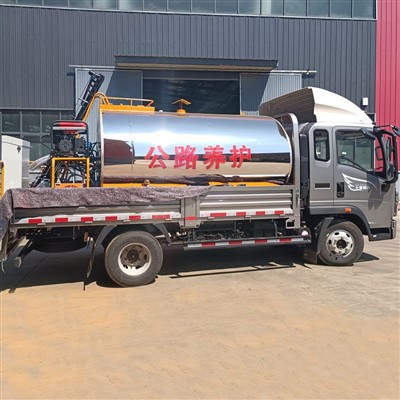
As a trusted supplier of Bitumen Emulsion Plants, I've had the privilege of witnessing firsthand the transformative impact these facilities have on the road construction and maintenance industry. At the heart of every bitumen emulsion plant lies a crucial component: the mixing system. In this blog post, I'll delve into the intricacies of the mixing system in a bitumen emulsion plant, exploring its functions, types, and significance in producing high - quality bitumen emulsions.
The Basics of Bitumen Emulsion
Before we dive into the mixing system, let's briefly understand what bitumen emulsion is. Bitumen emulsion is a stable mixture of bitumen (also known as asphalt in some regions), water, and an emulsifying agent. This combination allows bitumen, which is typically a viscous and hydrophobic material, to be dispersed in water in the form of tiny droplets. Bitumen emulsions offer several advantages over traditional hot - applied bitumen, such as lower energy consumption, safer handling, and the ability to be used in wet conditions.
Functions of the Mixing System
The mixing system in a bitumen emulsion plant serves several critical functions. Firstly, it is responsible for breaking down the bitumen into small droplets and dispersing them uniformly throughout the water phase. This is essential for creating a stable emulsion. If the droplets are too large or unevenly distributed, the emulsion may separate over time, leading to poor performance in applications.
Secondly, the mixing system ensures proper incorporation of the emulsifying agent. The emulsifying agent plays a vital role in stabilizing the emulsion by reducing the surface tension between the bitumen and water. By thoroughly mixing the emulsifying agent with the bitumen and water, the mixing system helps to create a protective layer around the bitumen droplets, preventing them from coalescing.
Finally, the mixing system can control the temperature and pressure during the emulsification process. Maintaining the right temperature is crucial as it affects the viscosity of the bitumen and the activity of the emulsifying agent. Similarly, proper pressure control can influence the size of the bitumen droplets and the overall quality of the emulsion.
Types of Mixing Systems
There are several types of mixing systems used in bitumen emulsion plants, each with its own advantages and applications.
Colloid Mills
Colloid mills are one of the most commonly used mixing systems in bitumen emulsion plants. They consist of a rotor and a stator, which are separated by a small gap. When the bitumen, water, and emulsifying agent are fed into the colloid mill, the high - speed rotation of the rotor creates a shearing force that breaks down the bitumen into small droplets. The narrow gap between the rotor and stator ensures a high degree of shear, resulting in a fine and uniform emulsion.
Colloid mills are known for their ability to produce high - quality emulsions with a relatively small droplet size. They are also versatile and can handle a wide range of bitumen types and viscosities. However, they can be energy - intensive, and the rotor and stator may require regular maintenance to ensure optimal performance.
Static Mixers
Static mixers are another type of mixing system used in bitumen emulsion plants. They are essentially tubes with internal mixing elements that divide, rotate, and recombine the fluid streams as they flow through the mixer. Unlike colloid mills, static mixers do not have moving parts, which makes them more reliable and easier to maintain.
Static mixers are effective at blending the bitumen, water, and emulsifying agent, but they may not be as efficient as colloid mills in breaking down large bitumen droplets. They are often used in combination with other mixing systems, such as colloid mills, to achieve the desired emulsion quality.
In - Line Homogenizers
In - line homogenizers work on the principle of high - pressure homogenization. The bitumen emulsion is forced through a small orifice at high pressure, which creates intense turbulence and shear forces. This results in the breakdown of the bitumen droplets and the formation of a stable emulsion.
In - line homogenizers are capable of producing very fine emulsions with a narrow droplet size distribution. They are particularly suitable for applications where a high - quality emulsion is required, such as in micro - surfacing and slurry sealing. However, they can be expensive to purchase and operate, and they require a high - pressure pump to function effectively.
Significance of the Mixing System in a Bitumen Emulsion Plant
The quality of the mixing system has a direct impact on the quality of the bitumen emulsion produced. A well - designed and properly maintained mixing system can produce emulsions with excellent stability, a narrow droplet size distribution, and consistent performance. This, in turn, leads to better results in road construction and maintenance applications.
For example, in chip sealing, a high - quality bitumen emulsion ensures good adhesion between the aggregate and the road surface, resulting in a durable and long - lasting seal. In slurry sealing, a fine and uniform emulsion helps to create a smooth and even surface, improving the skid resistance and appearance of the road.
Moreover, a reliable mixing system can increase the efficiency of the bitumen emulsion plant. By producing high - quality emulsions in a shorter time, the plant can increase its production capacity and reduce operating costs. This is especially important in today's competitive market, where customers demand high - quality products at a reasonable price.
Our Bitumen Emulsion Plant Solutions
As a supplier of Bitumen Emulsion Plants, we offer a range of state - of - the - art mixing systems to meet the diverse needs of our customers. Our Fully Automatic Emulsified Asphalt Equipment is equipped with advanced colloid mills and control systems, ensuring precise control over the emulsification process. This equipment is designed to produce high - quality emulsions with minimal energy consumption and maintenance requirements.
Our Bitumen Emulsion Plant is available in various configurations, including mobile and stationary models. Whether you need a small - scale plant for a local project or a large - scale plant for a major infrastructure development, we have the right solution for you. Our plants are built with high - quality materials and components, ensuring reliability and durability.

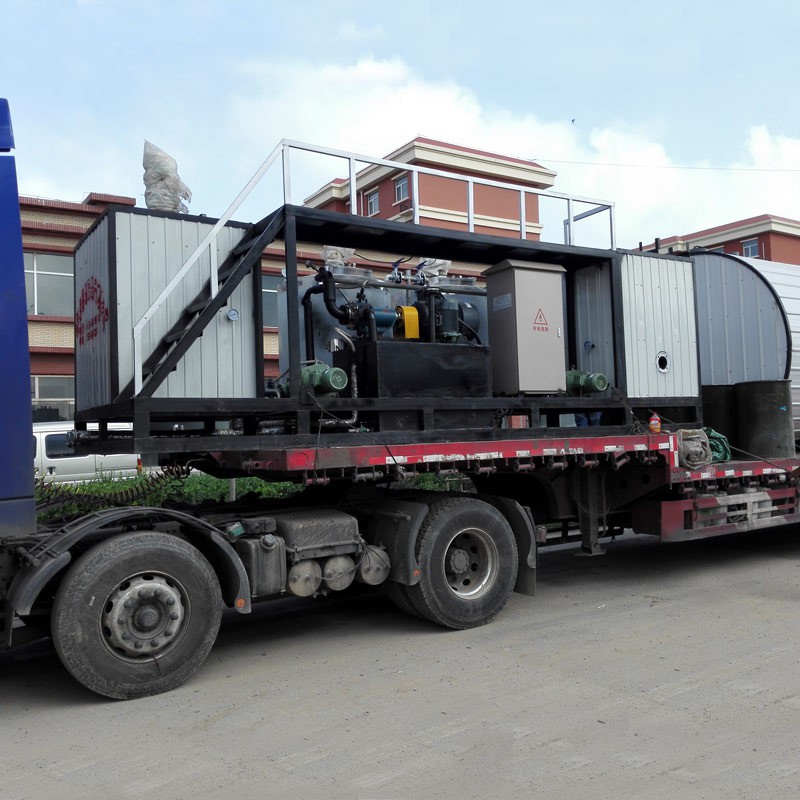
In addition, our Asphalt Emulsion Equipment is designed to be user - friendly and easy to operate. We provide comprehensive training and after - sales support to ensure that our customers can get the most out of their equipment.
Contact Us for Procurement
If you are in the market for a bitumen emulsion plant or are looking to upgrade your existing equipment, we invite you to contact us for a detailed discussion. Our team of experts can help you select the right mixing system and plant configuration based on your specific requirements. We are committed to providing you with high - quality products, excellent customer service, and competitive pricing. Whether you are a small contractor or a large construction company, we have the solutions to meet your needs.
References
- Asphalt Institute. (2019). Emulsified Asphalts: Their Use in Pavement Preservation.
- Kandhal, P. S., & Mallick, R. B. (2004). Flexible Pavement Design and Construction. Wiley - Interscience.
- Little, D. N., & Bonaquist, R. F. (2006). Hot Mix Asphalt Materials, Mixture Design, and Construction. NAPA Education Foundation.