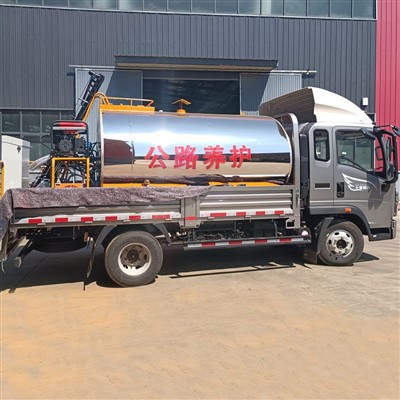
As a supplier of Bitumen Melting Plants, I've encountered numerous inquiries regarding the noise level of these facilities. Noise is a crucial factor, not only for the well - being of the plant operators but also for compliance with environmental regulations. In this blog, I'll delve into the noise levels associated with bitumen melting plants, the factors influencing them, and how we, as a supplier, address this concern.
Understanding Bitumen Melting Plants
Bitumen melting plants play a vital role in the construction industry, particularly in road - building projects. These plants are designed to heat and melt bitumen, a viscous, black, and sticky material derived from petroleum. The melted bitumen is then used in the production of asphalt mixtures, which are essential for creating durable and smooth road surfaces.
There are different types of bitumen melting plants, such as Asphalt Fast Melting Machine, Asphalt Melting Equipment, and Asphalt Melting Machine. Each type has its own unique features and functions, but they all share the common goal of efficiently melting bitumen.
Noise Sources in Bitumen Melting Plants
Several components within a bitumen melting plant contribute to the overall noise level.
Heating Systems
The heating system is one of the primary sources of noise. Most bitumen melting plants use either direct - fired or indirect - fired heating methods. Direct - fired systems involve burning fuel directly in contact with the bitumen or a heat - transfer medium, while indirect - fired systems use a heat exchanger to transfer heat to the bitumen. The combustion process in these heating systems generates significant noise, especially when the burners are operating at high power. The rapid expansion of gases during combustion and the movement of flames create a continuous, high - pitched noise.
Pumps and Agitators
Pumps are used to transfer the melted bitumen from the melting chamber to storage tanks or other processing units. Agitators, on the other hand, are employed to ensure uniform heating and prevent the bitumen from solidifying. The mechanical operation of pumps and agitators produces noise. The rotation of pump impellers and agitator blades, along with the flow of bitumen through the pipes, creates a humming or vibrating sound. The noise level can increase if the pumps or agitators are not properly maintained or if there are issues with the bearings or seals.
Conveyor Systems
Many bitumen melting plants use conveyor systems to transport solid bitumen into the melting chamber. The movement of the conveyor belts, along with the interaction between the belts and the rollers, generates noise. Additionally, if the conveyor system is handling large chunks of bitumen, the impact of the bitumen on the belts and other components can create a loud, thumping sound.
Measuring Noise Levels
Noise levels in bitumen melting plants are typically measured in decibels (dB). The decibel scale is a logarithmic scale that measures the intensity of sound. A sound level meter is used to measure the noise level at various points within the plant.
The noise level in a bitumen melting plant can vary depending on the size of the plant, the type of equipment used, and the operating conditions. On average, the noise level in a typical bitumen melting plant can range from 70 dB to 90 dB. A noise level of 70 dB is equivalent to the sound of a vacuum cleaner or a busy street, while a noise level of 90 dB is comparable to the sound of a lawn mower.
Factors Influencing Noise Levels
Plant Design
The design of the bitumen melting plant can have a significant impact on the noise level. A well - designed plant will incorporate noise - reducing features, such as sound - insulating enclosures around noisy equipment, proper layout of machinery to minimize noise propagation, and the use of low - noise components. For example, using pumps and motors with lower noise ratings can help reduce the overall noise level of the plant.
Equipment Quality
The quality of the equipment used in the bitumen melting plant also plays a role in determining the noise level. High - quality equipment is often designed and manufactured to operate more quietly. For instance, pumps with precision - engineered impellers and well - lubricated bearings will produce less noise compared to lower - quality pumps. Similarly, burners with advanced combustion technology can reduce the noise generated during the combustion process.
Operating Conditions
The operating conditions of the bitumen melting plant can affect the noise level. Running the plant at full capacity or under high - load conditions can increase the noise level. Additionally, if the plant is operating in a cold environment, the bitumen may be more viscous, which can put additional strain on the pumps and agitators, resulting in increased noise.
Impact of Noise on Workers and the Environment
Health Risks to Workers
Exposure to high noise levels in the workplace can have serious health consequences for workers. Prolonged exposure to noise levels above 85 dB can cause hearing loss, tinnitus (ringing in the ears), and other auditory problems. Workers in bitumen melting plants may also experience stress, fatigue, and reduced productivity due to the constant noise.
Environmental Compliance
Many countries and regions have strict environmental regulations regarding noise pollution. Bitumen melting plants must comply with these regulations to avoid fines and legal issues. Excessive noise from a bitumen melting plant can also have a negative impact on the surrounding community, leading to complaints and potential disruption of local activities.
How We Address Noise Concerns as a Supplier
As a responsible supplier of bitumen melting plants, we take noise reduction seriously.
Noise - Reducing Design
We design our bitumen melting plants with noise - reducing features. Our plants are equipped with sound - insulating enclosures around noisy equipment, such as pumps, burners, and agitators. These enclosures are made of high - quality sound - absorbing materials that can significantly reduce the noise level. Additionally, we optimize the layout of the plant to minimize noise propagation. By separating noisy equipment from areas where workers are likely to be present, we can reduce the exposure of workers to high noise levels.
High - Quality Equipment
We only use high - quality equipment in our bitumen melting plants. Our pumps, motors, and burners are selected for their low - noise operation. We work with reputable manufacturers to ensure that the equipment meets the highest standards of quality and performance. Regular maintenance of the equipment is also crucial to keep the noise level in check. We provide our customers with detailed maintenance schedules and guidelines to ensure that the equipment is properly maintained.
Installation and Commissioning
During the installation and commissioning of our bitumen melting plants, we pay close attention to the alignment and calibration of the equipment. Proper alignment of pumps, motors, and other components can reduce vibration and noise. We also conduct thorough testing to ensure that the plant is operating within the specified noise limits.
Contact Us for Your Bitumen Melting Plant Needs
If you're in the market for a bitumen melting plant and are concerned about noise levels, we're here to help. Our team of experts can provide you with detailed information about the noise - reducing features of our plants and how they can meet your specific requirements. We can also assist you in selecting the right type of bitumen melting plant for your project, whether it's an Asphalt Fast Melting Machine, Asphalt Melting Equipment, or Asphalt Melting Machine.


Don't hesitate to reach out to us for more information or to discuss your procurement needs. We look forward to working with you to provide a high - quality, low - noise bitumen melting plant solution.
References
- "Industrial Noise Control and Acoustics" by Clarence W. Harris
- "Occupational Noise Exposure: A Guide for Hearing Conservation Programs" by the National Institute for Occupational Safety and Health (NIOSH)
- "Environmental Noise Pollution: Sources, Effects, and Control" by various authors in the field of environmental science