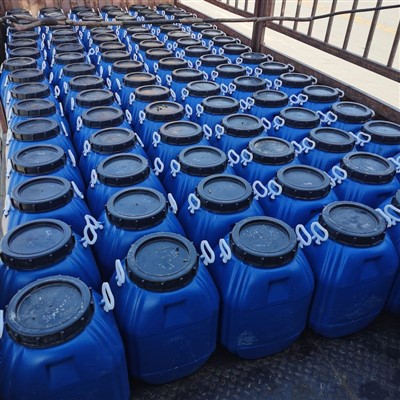
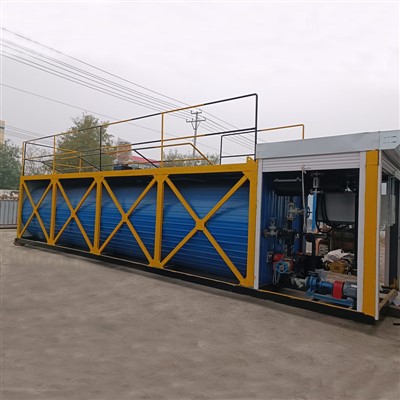
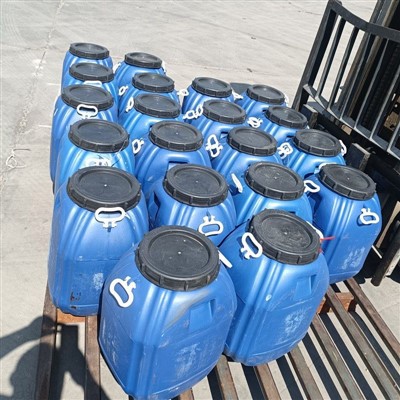
The asphalt rubber plant is a specialized facility designed to produce asphalt rubber, a high - performance paving material that combines asphalt binder with crumb rubber. Among the various components of an asphalt rubber plant, the air supply system plays a crucial role that is often underestimated. As a supplier of asphalt rubber plants, I am well - versed in the significance of the air supply system and its impact on the overall operation of the plant.
Basic Functions of the Air Supply System
The primary function of the air supply system in an asphalt rubber plant is to provide the necessary air for several key processes. Firstly, it is responsible for delivering combustion air to the burners. In the asphalt rubber production process, heat is required to melt the asphalt and promote the reaction between the asphalt and the crumb rubber. The burners in the plant use air for combustion. A proper air - fuel ratio is essential for efficient and clean combustion. If the air supply is insufficient, the fuel will not burn completely, leading to lower heat output, increased fuel consumption, and the production of harmful pollutants such as carbon monoxide. On the other hand, excessive air can also be wasteful and may cause the flame to become unstable.


Secondly, the air supply system is used for pneumatic conveying. In an asphalt rubber plant, various materials such as crumb rubber, additives, and sometimes even the asphalt itself need to be transported from one location to another. Pneumatic conveying uses air to move these materials through pipes. This method is efficient, reduces the risk of material spillage, and can be easily automated. The air flow needs to be carefully controlled to ensure that the materials are transported at the right speed and without clogging the pipes.
Impact on Product Quality
The air supply system has a direct impact on the quality of the asphalt rubber produced. In the mixing process, proper air circulation helps to ensure uniform mixing of the asphalt and the crumb rubber. The air can create a turbulent environment within the mixing chamber, which promotes better contact between the two materials. This is crucial because a well - mixed asphalt rubber has better performance characteristics, such as improved elasticity, durability, and resistance to cracking.
Moreover, the air supply system can also affect the temperature distribution within the plant. Maintaining a consistent temperature is vital for the chemical reactions between the asphalt and the crumb rubber. If the air flow is uneven, there may be hot and cold spots in the mixing chamber, which can lead to inconsistent product quality. For example, in areas where the temperature is too low, the reaction between the asphalt and the crumb rubber may not occur properly, resulting in a product with inferior properties.
Energy Efficiency and Cost - Saving
From an economic perspective, the air supply system can significantly impact the energy efficiency of an asphalt rubber plant. An optimized air supply system can reduce energy consumption. By ensuring the correct air - fuel ratio in the burners, less fuel is wasted during the combustion process. Additionally, efficient pneumatic conveying systems can use less air to transport materials, which also saves energy.
Furthermore, a well - maintained air supply system can reduce maintenance costs. When the air supply is stable and consistent, there is less wear and tear on the equipment. For example, in pneumatic conveying, proper air flow reduces the likelihood of pipe blockages, which can be time - consuming and expensive to clear. Regular maintenance of the air supply system, such as cleaning air filters and checking for air leaks, can also extend the lifespan of the equipment and prevent costly breakdowns.
Safety Considerations
Safety is another important aspect related to the air supply system in an asphalt rubber plant. In the combustion process, a proper air supply is necessary to prevent the accumulation of explosive mixtures. If the air - fuel ratio is not correct, there is a risk of explosion in the burner area. The air supply system should be designed with safety features such as flame arrestors and pressure sensors to ensure that the combustion process is safe.
In addition, when using pneumatic conveying, the air supply system needs to be designed to prevent the leakage of dust and other harmful substances. Many of the materials used in an asphalt rubber plant, such as crumb rubber and additives, can generate dust. If this dust is not properly contained, it can pose a health hazard to the workers. The air supply system can be integrated with dust collection systems to capture and remove the dust from the air before it is released into the environment.
Our Asphalt Rubber Plant Solutions
As a supplier of asphalt rubber plants, we offer a range of high - quality air supply systems that are designed to meet the specific needs of our customers. Our Asphalt Rubber Blending Plant is equipped with state - of - the - art air supply technology. The burners in our plants are designed to provide a precise air - fuel ratio, ensuring efficient and clean combustion. The pneumatic conveying systems in our Rubber Asphalt Production Equipment are carefully engineered to transport materials smoothly and without clogging.
We also offer Mobile Rubber Asphalt Plant solutions, which are ideal for projects that require flexibility. These mobile plants are equipped with compact and efficient air supply systems that can be easily adjusted to different operating conditions.
Conclusion
In conclusion, the air supply system in an asphalt rubber plant is a critical component that affects various aspects of the plant's operation, including product quality, energy efficiency, safety, and cost - effectiveness. As a supplier, we understand the importance of providing reliable and high - performance air supply systems. If you are in the market for an asphalt rubber plant or need to upgrade your existing air supply system, we invite you to contact us for a detailed discussion. Our team of experts can provide you with customized solutions based on your specific requirements.
References
- "Asphalt Rubber Technology Manual" - A comprehensive guide on asphalt rubber production and related technologies.
- "Pneumatic Conveying Handbook" - Provides in - depth knowledge about the principles and applications of pneumatic conveying in industrial settings.
- "Combustion Engineering Principles" - Covers the fundamentals of combustion processes and the importance of air - fuel ratios.