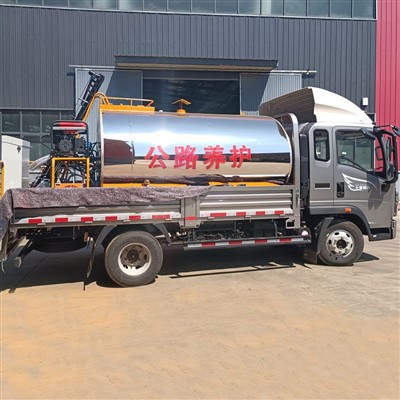
Bitumen emulsions are widely used in the construction industry for various applications such as road paving, chip sealing, and tack coating. The interaction between bitumen emulsifiers and polymers in bitumen is a crucial aspect that significantly influences the performance and properties of the final product. As a leading bitumen emulsifier supplier, we have in - depth knowledge and experience in this field, and in this blog, we will explore how bitumen emulsifiers interact with polymers in bitumen.
Understanding Bitumen Emulsifiers
Bitumen emulsifiers are surface - active agents that play a vital role in the formation and stability of bitumen emulsions. They reduce the surface tension between bitumen and water, allowing the bitumen to be dispersed into small droplets in an aqueous medium. There are different types of bitumen emulsifiers, including cationic, anionic, and non - ionic emulsifiers. Each type has its unique chemical structure and characteristics, which determine how it interacts with bitumen and polymers.
For example, cationic emulsifiers have positively charged groups and are suitable for use with acidic aggregates. They adsorb onto the surface of bitumen droplets, creating a positive charge that helps in the adhesion of bitumen to aggregates. You can find more about Asphalt Emulsifier on our website. Anionic emulsifiers, on the other hand, have negatively charged groups and are often used with alkaline aggregates. Anionic Bitumen Emulsion is an important product in the market, and our company offers high - quality anionic emulsifiers for various applications.
Role of Polymers in Bitumen
Polymers are added to bitumen to enhance its properties. They can improve the viscosity, elasticity, and resistance to rutting, fatigue cracking, and thermal cracking. Different types of polymers such as styrene - butadiene - styrene (SBS), ethylene - vinyl acetate (EVA), and crumb rubber can be used. These polymers modify the physical and chemical properties of bitumen by forming a network structure within the bitumen matrix.
When polymers are added to bitumen, they can swell in the bitumen phase at high temperatures and then form a more cohesive and elastic mass during cooling. This improves the overall performance of the bituminous materials, especially in harsh environmental conditions.
Interaction Mechanisms between Bitumen Emulsifiers and Polymers
Physical Adsorption
One of the primary interaction mechanisms between bitumen emulsifiers and polymers is physical adsorption. The emulsifier molecules can adsorb onto the surface of polymer particles or the polymer - bitumen interface. This adsorption can change the surface properties of the polymer, such as its wettability and surface charge.
For cationic emulsifiers, the positively charged heads can interact with polar groups on the polymer surface. This interaction helps in the dispersion of the polymer in the bitumen emulsion. In the case of anionic emulsifiers, the negatively charged heads may interact with positively charged sites on the polymer or through hydrogen bonding with polar functional groups on the polymer.
Chemical Reaction
In some cases, there may be chemical reactions between bitumen emulsifiers and polymers. For example, if the polymer has reactive groups and the emulsifier has suitable functional groups, a chemical bond can be formed. This chemical reaction can lead to the formation of a more stable polymer - bitumen - emulsifier system.


Some polymers may contain double bonds or other reactive sites that can react with functional groups in the emulsifier under certain conditions, such as high temperature or the presence of a catalyst. This reaction can enhance the compatibility between the polymer and the bitumen, resulting in improved performance of the bituminous materials.
Influence on Polymer Dispersion
Bitumen emulsifiers can also influence the dispersion of polymers in bitumen. A well - selected emulsifier can ensure that the polymer is evenly dispersed in the bitumen phase. This is important because an uneven dispersion of the polymer can lead to local variations in the properties of the bituminous material, reducing its overall performance.
The emulsifier can act as a dispersing agent, preventing the polymer particles from agglomerating. By reducing the surface tension between the polymer and the bitumen, the emulsifier allows the polymer to be more easily incorporated into the bitumen matrix, leading to a more homogeneous and stable product.
Impact of the Interaction on Bituminous Material Properties
Rheological Properties
The interaction between bitumen emulsifiers and polymers has a significant impact on the rheological properties of bituminous materials. The addition of polymers and the proper use of emulsifiers can increase the viscosity of the bitumen at high temperatures, which is beneficial for preventing rutting. At low temperatures, the interaction can improve the flexibility and reduce the brittleness of the bitumen, thus reducing the risk of cracking.
For example, when SBS polymer is used in combination with a suitable cationic emulsifier, the resulting bituminous material shows better elastic recovery and higher complex modulus. This means that the material can withstand repeated loading without permanent deformation and has better resistance to fatigue cracking.
Adhesion Properties
The interaction also affects the adhesion of bitumen to aggregates. The emulsifier - polymer combination can improve the wetting of the aggregate surface by the bitumen, leading to better adhesion. Cationic emulsifiers can enhance the adhesion between the bitumen and acidic aggregates, and when polymers are added, the adhesion can be further improved.
The polymer can form a strong bond with the bitumen and the aggregate surface, creating a more durable and cohesive interface. This is crucial for the long - term performance of road pavements, as good adhesion can prevent the stripping of bitumen from the aggregates, which is a common problem in road construction.
Durability
The overall durability of bituminous materials is enhanced by the interaction between bitumen emulsifiers and polymers. The improved rheological and adhesion properties contribute to better resistance to environmental factors such as water, oxidation, and UV radiation.
Polymers can act as a barrier against water penetration, and the emulsifier - polymer system can prevent the oxidation of bitumen by reducing the exposure of bitumen to oxygen. This results in a longer service life of the bituminous materials, reducing the need for frequent repairs and maintenance.
Case Studies
In a recent road construction project, our company supplied a cationic emulsifier for a bitumen emulsion that was modified with SBS polymer. The project was located in an area with high traffic volume and extreme temperature variations. The use of the cationic emulsifier ensured good dispersion of the SBS polymer in the bitumen emulsion. The resulting bituminous material showed excellent rutting resistance at high temperatures and good flexibility at low temperatures.
After several years of service, the road surface showed minimal signs of cracking and rutting. The adhesion between the bitumen and the aggregates was also very good, with no visible stripping. This case study demonstrates the positive impact of the interaction between bitumen emulsifiers and polymers on the performance of bituminous materials.
Conclusion
The interaction between bitumen emulsifiers and polymers in bitumen is a complex but crucial phenomenon. It involves physical adsorption, chemical reactions, and the influence on polymer dispersion, which in turn have a significant impact on the rheological, adhesion, and durability properties of bituminous materials.
As a bitumen emulsifier supplier, we are dedicated to providing high - quality emulsifiers that can effectively interact with various polymers in bitumen. Our products are designed to meet the diverse needs of the construction industry, ensuring the optimal performance of bituminous materials in different applications.
If you are interested in our bitumen emulsifiers and want to learn more about how they can interact with polymers in your bituminous materials, please feel free to contact us for further discussion and procurement. Our technical team is always ready to provide you with professional advice and solutions.
References
- Bahia, H. U., & Davies, R. P. (1994). Effect of polymer modification on bitumen - aggregate adhesion. Journal of the Association of Asphalt Paving Technologists, 63, 1 - 40.
- Xiao, F., & Amirkhanian, S. N. (2009). Effects of polymer modification on the properties of asphalt binders and mixtures. Journal of Materials in Civil Engineering, 21(4), 184 - 191.
- Lesueur, D. (2009). Rheological properties of polymer modified bitumens: a literature review. Construction and Building Materials, 23(2), 662 - 676.