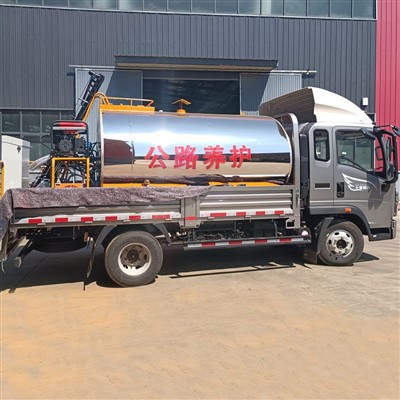
As a supplier of asphalt melting machines, I am often asked about the feeding methods of these essential pieces of equipment. In this blog post, I will delve into the various feeding methods of asphalt melting machines, providing you with a comprehensive understanding of how these machines operate and how to choose the most suitable feeding method for your specific needs.
Understanding the Basics of Asphalt Melting Machines
Before we discuss the feeding methods, let's briefly review what an asphalt melting machine is and its primary function. An Asphalt Melting Machine is designed to heat solid or semi - solid asphalt materials to a liquid state, making them suitable for various applications such as road construction, roofing, and waterproofing. These machines come in different sizes and configurations, but they all share the common goal of efficiently melting asphalt.
Manual Feeding
One of the most basic and traditional feeding methods for asphalt melting machines is manual feeding. In this method, workers physically load solid asphalt blocks or pellets into the melting chamber of the machine.
Advantages
- Low - cost setup: Manual feeding does not require any complex automated systems, which means lower initial investment. For small - scale operations or those with limited budgets, this can be an attractive option.
- Flexibility: Workers can easily adjust the amount of asphalt being fed based on the machine's melting capacity and the immediate requirements of the project.
Disadvantages
- Labor - intensive: It requires a significant amount of physical labor, which can be tiring and time - consuming. This can also lead to higher labor costs in the long run.
- Inconsistent feeding: Manual feeding may result in inconsistent amounts of asphalt being added to the melting chamber, which can affect the quality and efficiency of the melting process.
Belt Conveyor Feeding
Belt conveyor feeding is a more automated approach to supplying asphalt to the melting machine. A conveyor belt is used to transport solid asphalt materials from a storage area to the melting chamber.
Advantages
- Continuous feeding: Belt conveyors can provide a continuous and consistent flow of asphalt into the melting machine, ensuring a more stable melting process. This can lead to better - quality melted asphalt and increased productivity.
- Reduced labor: By automating the feeding process, the need for manual labor is significantly reduced. Workers can focus on other aspects of the operation, such as monitoring the machine and quality control.
Disadvantages
- Higher initial cost: The installation of a belt conveyor system requires a significant upfront investment, including the cost of the conveyor itself, installation, and any necessary support structures.
- Maintenance requirements: Belt conveyors need regular maintenance to ensure smooth operation. This includes cleaning, lubrication, and replacement of worn - out parts.
Screw Conveyor Feeding
Screw conveyors are another popular choice for feeding asphalt into melting machines. A rotating screw is used to move solid asphalt materials along a tube and into the melting chamber.
Advantages


- Precise feeding: Screw conveyors can accurately control the amount of asphalt being fed into the machine. This is particularly useful for applications where precise control of the asphalt quantity is required.
- Space - efficient: Screw conveyors can be designed to fit into tight spaces, making them a good option for facilities with limited floor space.
Disadvantages
- Limited capacity: Compared to belt conveyors, screw conveyors generally have a lower capacity for transporting asphalt. This may not be suitable for large - scale operations with high production requirements.
- Wear and tear: The rotating screw can experience significant wear and tear, especially when handling abrasive asphalt materials. This requires regular maintenance and replacement of parts.
Pneumatic Feeding
Pneumatic feeding systems use compressed air to transport solid asphalt materials from a storage silo to the melting chamber.
Advantages
- Clean and efficient: Pneumatic systems are relatively clean, as they do not involve physical contact between the asphalt and the conveyor components. This can reduce the risk of contamination and make the feeding process more hygienic.
- Long - distance transport: Pneumatic systems can transport asphalt over relatively long distances, which can be useful for large - scale facilities where the storage area is far from the melting machine.
Disadvantages
- High energy consumption: Compressed air requires a significant amount of energy to generate, which can lead to higher operating costs.
- Complex installation: Pneumatic feeding systems are more complex to install and maintain compared to other feeding methods. They require specialized equipment and expertise.
Choosing the Right Feeding Method
When choosing a feeding method for your asphalt melting machine, several factors need to be considered:
- Production scale: For small - scale operations, manual feeding or a simple screw conveyor may be sufficient. However, large - scale operations with high production requirements will likely benefit from belt conveyor or pneumatic feeding systems.
- Budget: The initial investment and operating costs of different feeding methods vary significantly. It is important to choose a method that fits within your budget while still meeting your production needs.
- Quality requirements: If precise control of the asphalt quantity and a consistent melting process are crucial for your project, feeding methods like screw conveyors or belt conveyors may be more suitable.
Our Asphalt Melting Machines and Feeding Options
At our company, we offer a wide range of Asphalt Fast Melting Machine and Bitumen Melting Equipment with various feeding options. Whether you need a manual - feeding machine for a small - scale project or a fully automated belt conveyor system for large - scale production, we have the solution for you.
Our experienced team can help you assess your specific requirements and recommend the most suitable feeding method and asphalt melting machine for your needs. We are committed to providing high - quality products and excellent customer service.
Contact Us for Procurement and Consultation
If you are interested in learning more about our asphalt melting machines and their feeding methods, or if you are ready to make a purchase, please feel free to contact us. Our sales team will be happy to answer your questions, provide detailed product information, and assist you in the procurement process. Let's work together to find the best asphalt melting solution for your business.
References
- Smith, J. (2018). "Advanced Asphalt Processing Technologies". Elsevier.
- Johnson, A. (2020). "Practical Guide to Asphalt Melting and Application". McGraw - Hill.