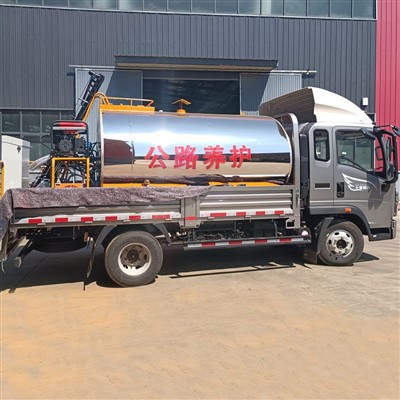
Operating an Asphalt Distributor Truck is a specialized skill that requires comprehensive training to ensure safety, efficiency, and the quality of road construction projects. As a leading supplier of Asphalt Distributor Truck, we understand the importance of proper training for operators. In this blog, we will delve into the various aspects of the training required to operate an Asphalt Distributor Truck effectively.
Understanding the Asphalt Distributor Truck
Before any hands - on training, operators must have a solid understanding of the Asphalt Distributor Truck itself. This includes learning about its components, functions, and specifications.
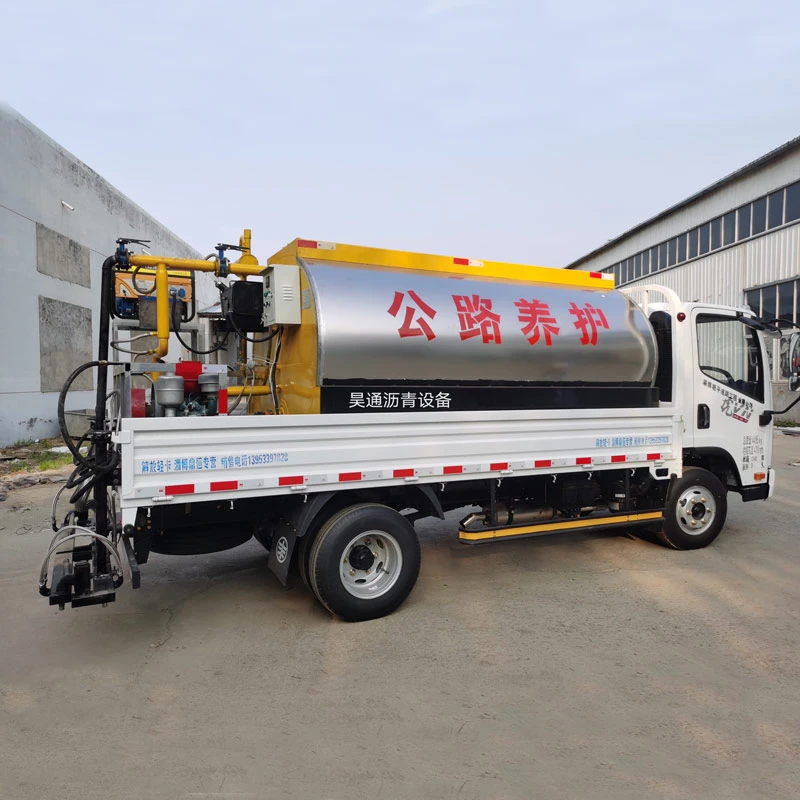

The Asphalt Distributor Truck is designed to spray liquid asphalt onto the road surface. It consists of a storage tank for holding the asphalt, a heating system to keep the asphalt at the right temperature, a spraying system, and a control panel. The storage tank can vary in size depending on the model of the truck, typically ranging from a few thousand liters to over ten thousand liters.
The heating system is crucial as asphalt needs to be kept at a specific temperature to maintain its fluidity. Usually, it uses a burner or a heat exchanger to transfer heat to the asphalt. The spraying system is responsible for evenly distributing the asphalt on the road. It includes nozzles, pumps, and hoses, and the operator needs to know how to adjust the spraying width, rate, and pattern according to the project requirements.
Theoretical Training
Asphalt Properties
Operators need to learn about the properties of asphalt. Asphalt is a visco - elastic material, and its viscosity changes with temperature. Understanding how temperature affects asphalt flow is essential for proper spraying. For example, if the asphalt is too cold, it may not spray evenly, while if it is too hot, it can cause safety hazards and affect the quality of the road surface.
They also need to know about different types of asphalt, such as penetration - graded asphalt and performance - graded asphalt. Each type has its own characteristics and is suitable for different road conditions and climates.
Safety Regulations
Safety is of utmost importance when operating an Asphalt Distributor Truck. Operators must be trained on safety regulations related to the truck operation, handling of asphalt, and working on construction sites.
This includes wearing appropriate personal protective equipment (PPE), such as heat - resistant gloves, safety glasses, and hard hats. They need to know how to prevent asphalt spills and how to handle them if they occur. In case of an emergency, like a fire or a mechanical failure, operators should be familiar with the emergency response procedures, such as using fire extinguishers and shutting down the truck safely.
Truck Mechanics
A basic understanding of truck mechanics is necessary. Operators should know how to perform pre - trip inspections, including checking the brakes, tires, lights, and the overall condition of the truck. They also need to understand the electrical and hydraulic systems of the truck, as these are often involved in the operation of the asphalt spraying system.
Practical Training
Pre - operation Checks
Before starting the truck, operators need to conduct a series of pre - operation checks. They should inspect the asphalt tank for any leaks or damages, check the level of asphalt in the tank, and ensure that the heating system is working properly.
The spraying system also needs to be inspected. This includes checking the nozzles for blockages, the pumps for proper operation, and the hoses for any signs of wear or damage. The operator should also test the control panel to make sure all the functions are working correctly.
Driving and Maneuvering
Driving an Asphalt Distributor Truck requires special skills. These trucks are usually larger and heavier than regular trucks, so operators need to practice driving and maneuvering in different situations, such as on narrow roads, sharp turns, and in reverse.
They also need to learn how to drive at a consistent speed during the spraying process. A constant speed is necessary to ensure an even distribution of asphalt on the road. Any sudden acceleration or deceleration can lead to uneven spraying, which will affect the quality of the road surface.
Asphalt Spraying
The most critical part of the practical training is learning how to spray asphalt correctly. The operator needs to set up the spraying parameters according to the project specifications. This includes adjusting the spraying width, which can be changed by opening or closing different sets of nozzles.
The spraying rate is another important parameter. It is determined by the speed of the truck, the pressure of the pump, and the size of the nozzles. The operator needs to calculate and set the appropriate spraying rate to ensure that the right amount of asphalt is applied per square meter of the road surface.
The spraying pattern also needs to be adjusted. Different projects may require different spraying patterns, such as a single - pass pattern or a multi - pass pattern. The operator should be able to switch between different patterns and ensure that the asphalt is evenly distributed across the road width.
Advanced Training
Intelligent Asphalt Distributor Technology
With the development of technology, Intelligent Asphalt Distributor and Intelligent Asphalt Distributor Truck are becoming more popular. Operators need to receive advanced training on these intelligent systems.
These systems use sensors, controllers, and software to automate and optimize the asphalt spraying process. For example, they can automatically adjust the spraying rate based on the truck speed and road conditions. Operators need to learn how to operate and maintain these intelligent systems, including programming the control software, troubleshooting sensor malfunctions, and updating the system software.
Project - Specific Training
In some cases, operators may need project - specific training. Different road construction projects may have unique requirements, such as spraying on curved roads, bridges, or in cold climates.
For projects on curved roads, the operator needs to learn how to adjust the spraying pattern to ensure that the asphalt is evenly distributed along the curve. On bridges, there may be additional safety and environmental requirements, such as preventing asphalt from dripping onto the water below. In cold climates, special techniques may be needed to keep the asphalt at the right temperature during spraying.
Certification and Continuing Education
After completing the training, operators usually need to obtain a certification to prove their competence in operating an Asphalt Distributor Truck. This certification is often required by employers and regulatory authorities.
Continuing education is also important. The asphalt industry is constantly evolving, with new technologies, materials, and regulations emerging. Operators should participate in regular training courses to keep up with the latest developments and improve their skills.
Conclusion
Operating an Asphalt Distributor Truck requires a combination of theoretical knowledge and practical skills. Through comprehensive training, operators can ensure the safe and efficient operation of the truck, as well as the quality of road construction projects.
If you are interested in our Asphalt Distributor Truck or need more information about the training requirements, please feel free to contact us for further discussion and potential procurement opportunities.
References
- "Asphalt Paving Handbook" by the Asphalt Institute.
- Safety regulations provided by local transportation and construction authorities.
- Manufacturer's manuals for Asphalt Distributor Trucks.