When it comes to operating an asphalt rubber plant, one of the crucial aspects that often gets overlooked is the transportation method. As a seasoned supplier of Rubber Asphalt Plant, I've witnessed firsthand the impact that the right transportation strategy can have on the overall efficiency and success of a project. In this blog post, I'll delve into the various transportation methods available for an asphalt rubber plant, their pros and cons, and how to choose the most suitable option for your specific needs.
Understanding the Basics of Asphalt Rubber Plant Transportation
Before we dive into the different transportation methods, it's essential to understand what an asphalt rubber plant is and why transportation matters. An asphalt rubber plant is a specialized facility that produces asphalt rubber, a high - performance paving material made by blending asphalt binder with rubber particles, typically from recycled tires. This material offers numerous benefits, such as improved durability, resistance to cracking, and reduced noise on road surfaces.
Transporting an asphalt rubber plant involves moving large and heavy equipment, including storage tanks, mixing units, and control systems, from the manufacturing site to the project location. The choice of transportation method can affect the cost, time, and safety of the move, as well as the integrity of the equipment.
Common Transportation Methods for Asphalt Rubber Plants
Truck Transportation
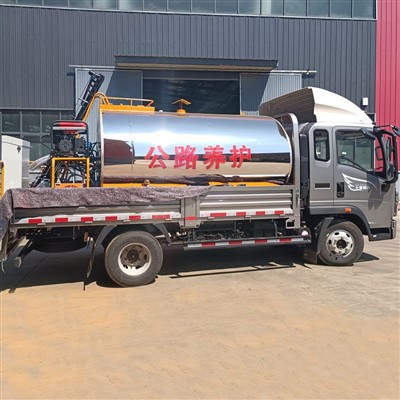
Truck transportation is one of the most widely used methods for moving asphalt rubber plants, especially for short to medium - distance moves. Trucks offer several advantages:
- Flexibility: Trucks can access a wide range of locations, including construction sites with limited access. They can be easily routed to the project site, even on unpaved roads or in areas with low over - head clearances.
- Timeliness: Trucks can be scheduled according to the project timeline, allowing for quick delivery of the equipment. This is particularly important for time - sensitive projects where delays can be costly.
- Cost - effectiveness: For shorter distances, truck transportation is often the most cost - effective option. The cost is primarily based on the weight and volume of the cargo, as well as the distance traveled.
However, truck transportation also has some limitations:
- Weight and Size Restrictions: Trucks are subject to weight and size restrictions imposed by local regulations. This can limit the amount of equipment that can be transported in a single trip, potentially requiring multiple shipments.
- Weather Dependence: Adverse weather conditions, such as heavy rain, snow, or high winds, can affect the safety and efficiency of truck transportation. Extreme temperatures can also impact the performance of the equipment during transit.
- Long - Distance Challenges: For long - distance moves, truck transportation can be more expensive and time - consuming compared to other methods. The wear and tear on the equipment during extended travel can also be a concern.
Rail Transportation
Rail transportation is a viable option for long - distance moves of asphalt rubber plants. It offers the following benefits:
- High Capacity: Trains can carry large and heavy loads over long distances. This makes them suitable for transporting entire asphalt rubber plants or large components in a single shipment.
- Cost - efficiency for Long Distances: Rail transportation is often more cost - effective than trucking for long - haul moves. The cost per ton - mile is generally lower, especially when shipping large volumes of equipment.
- Environmental Friendliness: Trains are more fuel - efficient and produce fewer emissions compared to trucks, making them a more environmentally friendly option for transporting heavy equipment.
On the other hand, rail transportation also has some drawbacks:
- Limited Accessibility: Rail lines are not available everywhere, and project sites may not be directly accessible by rail. This often requires additional trucking to move the equipment from the rail terminal to the project location, adding to the overall cost and complexity of the transportation process.
- Scheduling Constraints: Train schedules are less flexible compared to trucks. Delays can occur due to factors such as track maintenance, congestion, or inclement weather, which can impact the project timeline.
- Handling Requirements: Loading and unloading equipment from trains requires specialized handling equipment and expertise. This can increase the risk of damage to the equipment if not done properly.
Containerized Shipping
Containerized shipping is an option for transporting asphalt rubber plants, especially for international or long - distance moves across waterways. Containers offer the following advantages:
- Protection: Containers provide a high level of protection for the equipment during transit. They are designed to withstand harsh environmental conditions, such as saltwater corrosion, extreme temperatures, and rough handling.
- Standardization: Containers come in standard sizes, which makes them easy to handle and transfer between different modes of transportation, such as ships, trains, and trucks. This simplifies the logistics of the move and reduces the risk of damage.
- Security: Containers can be sealed and locked, providing an additional layer of security for the equipment. This is particularly important for high - value or sensitive components.
However, containerized shipping also has some challenges:
- Cost: Containerized shipping can be more expensive than other methods, especially for small - scale projects. The cost includes container rental, shipping fees, and handling charges at the ports.
- Transshipment: Moving the equipment between different modes of transportation (e.g., from a truck to a ship and then to another truck) can increase the risk of damage and delay. This requires careful planning and coordination to ensure a smooth transition.
- Port Congestion: Ports can experience congestion, especially during peak shipping seasons. This can lead to delays in loading and unloading the containers, affecting the project timeline.
Choosing the Right Transportation Method
When choosing a transportation method for your asphalt rubber plant, several factors should be considered:


- Distance: For short distances, truck transportation is usually the best option. For long - distance moves, rail or containerized shipping may be more suitable.
- Project Timeline: If the project has a tight deadline, truck transportation or a combination of truck and rail may be necessary to ensure timely delivery.
- Location: Consider the accessibility of the project site. If the site has limited access, truck transportation may be the only viable option. If the site is near a rail line or a port, rail or containerized shipping could be considered.
- Budget: Evaluate the cost of each transportation method, including shipping fees, handling charges, and potential insurance costs. Choose the option that offers the best balance between cost and quality.
Our Mobile Rubber Asphalt Plant and Asphalt Rubber Blending Plant Solutions
As a leading supplier of asphalt rubber plants, we offer a range of Mobile Rubber Asphalt Plant and Asphalt Rubber Blending Plant solutions designed for easy transportation. Our plants are modular in design, which allows for efficient disassembly and reassembly at the project site. We also provide comprehensive transportation and installation services to ensure a seamless transition from our manufacturing facility to your project location.
Conclusion
Selecting the right transportation method for an asphalt rubber plant is a critical decision that can impact the success of your project. By understanding the advantages and limitations of each method and considering factors such as distance, project timeline, location, and budget, you can make an informed choice. As a trusted supplier, we are committed to helping you find the best transportation solution for your asphalt rubber plant needs. If you're interested in learning more about our products or discussing your transportation requirements, please feel free to contact us for a consultation. We look forward to working with you on your next project.
References
- "Transportation of Heavy Equipment: A Guide for Construction Companies", Construction Industry Institute.
- "Best Practices for Moving Industrial Equipment", International Association of Movers.
- "Logistics and Supply Chain Management in the Construction Industry", Routledge.