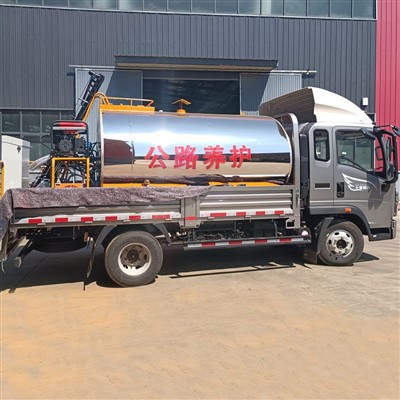
Hey there! As a supplier of Rubber Asphalt Plants, I've seen firsthand the importance of proper maintenance. A well - maintained Rubber Asphalt Plant not only ensures smooth operation but also extends the lifespan of the equipment, saving you both time and money in the long run. So, let's dive into what maintenance is required for a Rubber Asphalt Plant.
1. Regular Inspection of Components
First off, you gotta do regular inspections of all the components in the Rubber Asphalt Plant. This includes checking the heating system, mixing unit, storage tanks, and piping.
The heating system is crucial as it heats the asphalt to the right temperature. You need to inspect the burners, heat exchangers, and thermostats regularly. Make sure the burners are clean and functioning properly. Any blockages or malfunctions can lead to uneven heating, which affects the quality of the rubber asphalt. Check the heat exchangers for signs of corrosion or damage. If you notice any leaks or reduced heat transfer efficiency, it's time to take action. And don't forget about the thermostats! They should be accurately calibrated to maintain the correct temperature. You can find more details about the heating system in a high - quality Rubber Asphalt Production Equipment.
The mixing unit is where the magic happens. Inspect the mixing blades for wear and tear. Over time, the blades can become dull or damaged, which affects the mixing quality. You should also check the seals around the mixing chamber to prevent any leaks. A leaky mixing chamber can lead to material loss and potential safety hazards.
Storage tanks are used to store the asphalt and rubber materials. Inspect the tanks for any signs of corrosion, especially on the inside. Corrosion can contaminate the materials and reduce the tank's structural integrity. Check the level sensors to ensure they are working correctly. Incorrect level readings can lead to over - filling or running out of materials during production.
Piping is another area that needs regular inspection. Look for any signs of leaks, cracks, or blockages. Leaky pipes can cause material loss and environmental pollution. Blockages can disrupt the flow of materials and put extra stress on the pumps.
2. Lubrication
Lubrication is essential for the smooth operation of many moving parts in the Rubber Asphalt Plant. Components like bearings, gears, and chains need to be properly lubricated.
Bearings are used in various parts of the plant, such as the mixing unit and conveyor belts. Lack of lubrication can cause excessive friction, leading to overheating and premature bearing failure. Use the right type of lubricant recommended by the equipment manufacturer. And don't just lubricate once and forget about it. Set up a regular lubrication schedule to ensure all bearings are well - lubricated at all times.
Gears are responsible for transmitting power between different components. They need to be lubricated to reduce wear and noise. Check the gearboxes for oil levels regularly. If the oil level is low, top it up with the appropriate lubricant. Also, look out for any signs of oil leakage from the gearboxes.


Chains are commonly used in conveyor systems. Lubricating the chains helps to reduce friction and prevent rust. Apply the lubricant evenly along the length of the chain, making sure it penetrates into the links.
3. Cleaning
Keeping the Rubber Asphalt Plant clean is not just about aesthetics; it's also important for the equipment's performance.
Clean the mixing unit after each production run. Residual asphalt and rubber can harden over time, making it difficult to clean later. Use appropriate cleaning agents to remove the hardened materials. You can also use high - pressure water jets to clean the mixing chamber and blades.
Clean the storage tanks periodically. Empty the tanks completely and use a cleaning solution to remove any residues. This helps to prevent contamination of the new materials and maintains the tank's cleanliness.
The exterior of the plant should also be cleaned regularly. Dust and debris can accumulate on the equipment, which can affect its appearance and potentially cause damage over time. Use a broom or a pressure washer to clean the exterior surfaces.
4. Calibration of Sensors and Instruments
Sensors and instruments play a vital role in the operation of the Rubber Asphalt Plant. They are used to monitor temperature, pressure, level, and other important parameters.
Calibrate the temperature sensors regularly to ensure accurate temperature readings. Inaccurate temperature readings can lead to improper asphalt heating and mixing. Pressure sensors also need to be calibrated. Incorrect pressure readings can cause problems in the pumping system and other components.
Level sensors should be calibrated to provide accurate material level information. This helps to prevent over - filling or running out of materials during production. You can refer to the Asphalt Rubber Blending Plant for more information on sensor calibration.
5. Replacement of Worn - out Parts
Despite regular maintenance, some parts will eventually wear out and need to be replaced.
Keep an inventory of commonly replaced parts, such as mixing blades, bearings, belts, and filters. When a part starts to show signs of excessive wear or damage, replace it immediately. Using worn - out parts can lead to reduced equipment performance, increased energy consumption, and potential breakdowns.
For example, if the mixing blades are worn out, they won't be able to mix the asphalt and rubber properly. This can result in inconsistent product quality. Replacing the blades in a timely manner ensures that the mixing process remains efficient.
6. Electrical System Maintenance
The electrical system in the Rubber Asphalt Plant is complex and requires careful maintenance.
Inspect the electrical panels regularly for any signs of damage, such as loose connections, burnt wires, or overheating components. Loose connections can cause electrical arcing, which is a fire hazard. Check the fuses and circuit breakers to ensure they are working correctly. If a fuse blows or a circuit breaker trips, find the root cause and fix it before replacing the fuse or resetting the breaker.
Clean the electrical motors and fans to remove dust and debris. Over time, dust can accumulate on the motor windings, reducing the motor's efficiency and potentially causing overheating. Check the motor bearings for lubrication and wear.
7. Operator Training
Last but not least, proper operator training is an important part of plant maintenance.
Train your operators on how to operate the Rubber Asphalt Plant correctly and safely. They should know how to perform basic maintenance tasks, such as daily inspections, lubrication, and cleaning. Operators should also be able to recognize the signs of potential problems and report them immediately.
Well - trained operators can prevent many maintenance issues by following the correct operating procedures. They can also help to extend the lifespan of the equipment by using it properly.
In conclusion, maintaining a Rubber Asphalt Plant requires a comprehensive approach. Regular inspection, lubrication, cleaning, calibration, part replacement, electrical system maintenance, and operator training are all essential. By taking good care of your Rubber Asphalt Plant, you can ensure smooth operation, high - quality production, and long - term cost savings.
If you're in the market for a new Rubber Asphalt Plant or need advice on plant maintenance, don't hesitate to get in touch with us. We're here to help you make the most of your investment.
References:
- Industry standards and guidelines for asphalt plant maintenance
- Manufacturer's manuals for Rubber Asphalt Plant equipment