Hey there! As a supplier of anionic emulsifiers, I often get asked about their stability in the presence of metal ions. It's a super important topic, especially for those in industries like road construction, where anionic emulsifiers are widely used. So, let's dive right in and explore this issue.
First off, what are anionic emulsifiers? They're substances that help mix two immiscible liquids, like oil and water, by reducing the surface tension between them. In our case, we're talking about emulsifying bitumen or asphalt in water to create products like Anionic Bitumen Emulsion and Emulsified Asphalt Liquid. These emulsions are crucial for road paving, waterproofing, and other applications.
Now, let's talk about metal ions. They're everywhere - in water sources, soil, and even in some additives used in the emulsification process. Common metal ions include calcium, magnesium, iron, and aluminum. The presence of these metal ions can have a significant impact on the stability of anionic emulsifiers.
Anionic emulsifiers have a negatively charged head group. When metal ions, which are positively charged, come into contact with these emulsifiers, they can form complexes. This interaction can lead to a few different outcomes.
One possible outcome is flocculation. Flocculation occurs when the metal ions neutralize the negative charges on the emulsifier molecules. As a result, the droplets of the dispersed phase (like bitumen) start to clump together. Think of it like magnets attracting each other. Once the droplets are close enough, they can merge, leading to the breakdown of the emulsion. This is a big problem because a stable emulsion is essential for proper application and performance.
Another issue is the formation of insoluble salts. Some metal ions can react with the anionic emulsifiers to form salts that are not soluble in water. These salts can precipitate out of the emulsion, causing it to become cloudy or even separate into layers. This not only affects the appearance of the emulsion but also its functionality.
However, not all metal ions have the same effect on anionic emulsifiers. The degree of interaction depends on several factors, including the type of metal ion, its concentration, and the chemical structure of the emulsifier. For example, multivalent metal ions like aluminum and iron tend to have a stronger effect than monovalent ions like sodium. This is because multivalent ions have a higher positive charge density, which allows them to interact more strongly with the negatively charged emulsifier molecules.
The concentration of metal ions also plays a crucial role. At low concentrations, the effect on the emulsion stability may be minimal. But as the concentration increases, the likelihood of flocculation and precipitation also goes up. It's like adding more and more magnets to a system - eventually, they'll start to attract each other and cause a mess.


The chemical structure of the anionic emulsifier is another important factor. Some emulsifiers are more resistant to the effects of metal ions than others. Emulsifiers with bulky or highly branched structures may be less likely to form complexes with metal ions because the metal ions have a harder time getting close to the negatively charged head group. Additionally, emulsifiers with functional groups that can chelate or bind to metal ions in a controlled way may be more stable in the presence of metal ions.
So, how can we deal with the issue of metal ions in anionic emulsions? One approach is to use water with a low metal ion content. This can be achieved by treating the water before using it in the emulsification process. Water treatment methods include ion exchange, reverse osmosis, and filtration. These methods can remove or reduce the concentration of metal ions in the water, thereby improving the stability of the emulsion.
Another strategy is to add chelating agents. Chelating agents are molecules that can bind to metal ions and prevent them from interacting with the anionic emulsifiers. They act like bodyguards, protecting the emulsifiers from the metal ions. Common chelating agents include ethylenediaminetetraacetic acid (EDTA) and citric acid. By adding a small amount of these chelating agents to the emulsion, we can significantly improve its stability.
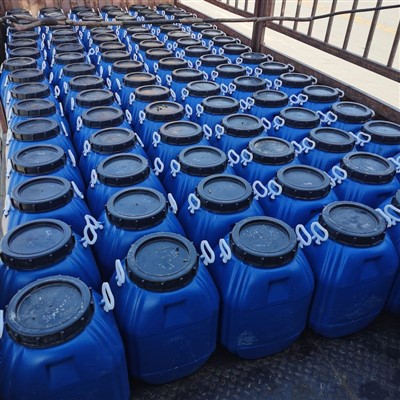
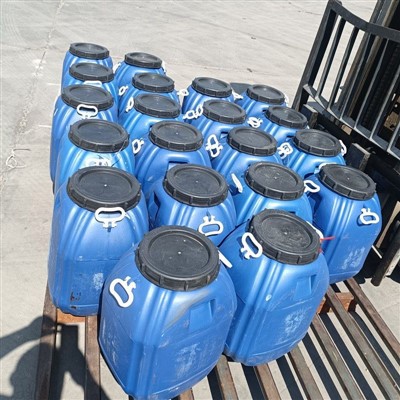
At our company, we've spent a lot of time researching and developing anionic emulsifiers that are more resistant to the effects of metal ions. Our Asphalt Emulsifier is designed to have a high level of stability even in the presence of moderate concentrations of metal ions. We've also developed a range of additives that can be used to enhance the stability of our emulsions in challenging environments.
In the field, it's important to test the water and the raw materials for metal ion content before formulating the emulsion. This can help us determine if any special precautions need to be taken. By understanding the potential impact of metal ions and taking appropriate measures, we can ensure that our anionic emulsions remain stable and perform as expected.
In conclusion, the stability of anionic emulsifiers in the presence of metal ions is a complex issue. While metal ions can pose a challenge to emulsion stability, there are ways to mitigate their effects. By choosing the right emulsifier, treating the water, and using additives, we can create stable and high - quality emulsions.
If you're in the market for anionic emulsifiers or have any questions about their stability in the presence of metal ions, don't hesitate to reach out. We're here to help you find the best solutions for your specific needs. Whether you're working on a small - scale project or a large - scale infrastructure development, our team of experts can provide you with the support and products you need. Let's work together to ensure the success of your projects!
References
- "Emulsion Technology and Applications" by Paul Becher
- "Surfactants in Solution" by K. L. Mittal
- Various research papers on the interaction between anionic emulsifiers and metal ions from scientific journals such as Journal of Colloid and Interface Science.