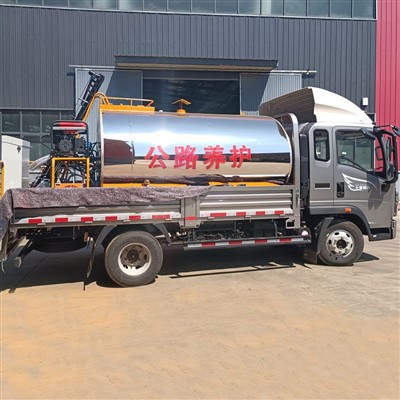
As a dedicated supplier of Cationic Emulsifier, I've witnessed firsthand the intricate relationship between temperature and the performance of these remarkable substances. Cationic emulsifiers play a pivotal role in various industries, from road construction to textile manufacturing. Understanding how temperature affects their performance is crucial for optimizing their use and ensuring the success of projects.


The Basics of Cationic Emulsifiers
Before delving into the impact of temperature, it's essential to grasp the fundamentals of cationic emulsifiers. These emulsifiers are positively charged surfactants that are used to stabilize emulsions, which are mixtures of two immiscible liquids, such as oil and water. In the case of cationic emulsifiers, they are commonly used to create emulsions of bitumen and water, known as Emulsified Asphalt Liquid.
Cationic emulsifiers work by reducing the surface tension between the oil and water phases, allowing them to mix more easily. The positive charge of the emulsifier molecules attracts the negatively charged particles in the bitumen, forming a stable emulsion. This emulsion can then be used for a variety of applications, including road paving, waterproofing, and adhesive manufacturing.
Temperature and Emulsion Stability
One of the most significant ways temperature affects the performance of cationic emulsifiers is through its impact on emulsion stability. Emulsion stability refers to the ability of an emulsion to resist separation into its individual components over time. A stable emulsion is essential for ensuring the quality and effectiveness of the final product.
At lower temperatures, the viscosity of the emulsion increases, which can make it more difficult for the emulsifier to disperse evenly throughout the mixture. This can lead to the formation of larger droplets and a less stable emulsion. Additionally, low temperatures can cause the emulsifier molecules to become less active, reducing their ability to reduce the surface tension between the oil and water phases.
On the other hand, high temperatures can also have a negative impact on emulsion stability. At elevated temperatures, the emulsifier molecules can become more mobile, which can cause them to break away from the bitumen particles and migrate to the surface of the emulsion. This can lead to the formation of a layer of emulsifier on the surface of the emulsion, known as creaming, which can ultimately result in the separation of the emulsion into its individual components.
Temperature and Emulsification Efficiency
In addition to its impact on emulsion stability, temperature can also affect the emulsification efficiency of cationic emulsifiers. Emulsification efficiency refers to the ability of an emulsifier to create a stable emulsion with a minimum amount of energy input. A more efficient emulsifier can reduce the amount of time and energy required to create a stable emulsion, which can lead to cost savings and improved productivity.
At lower temperatures, the emulsification process can be slower and less efficient. This is because the higher viscosity of the emulsion makes it more difficult for the emulsifier to disperse evenly throughout the mixture. Additionally, the reduced activity of the emulsifier molecules at low temperatures can make it more challenging to break up the bitumen particles into smaller droplets.
Conversely, high temperatures can improve the emulsification efficiency of cationic emulsifiers. At elevated temperatures, the viscosity of the emulsion decreases, making it easier for the emulsifier to disperse evenly throughout the mixture. Additionally, the increased mobility of the emulsifier molecules at high temperatures can make it easier to break up the bitumen particles into smaller droplets, resulting in a more stable emulsion.
Temperature and Application Performance
The impact of temperature on the performance of cationic emulsifiers extends beyond emulsion stability and emulsification efficiency. Temperature can also affect the application performance of the final product, such as its adhesion, durability, and curing time.
In road construction, for example, the temperature at which the emulsified asphalt is applied can have a significant impact on its performance. If the temperature is too low, the emulsion may not cure properly, resulting in a weak and brittle pavement. On the other hand, if the temperature is too high, the emulsion may cure too quickly, leading to cracking and other defects in the pavement.
Similarly, in waterproofing applications, the temperature can affect the ability of the emulsified asphalt to adhere to the substrate. At lower temperatures, the emulsion may not flow as easily, making it more difficult to achieve a uniform coating. Additionally, low temperatures can cause the emulsion to cure more slowly, which can increase the risk of water penetration and damage to the substrate.
Optimizing Performance at Different Temperatures
To ensure the optimal performance of cationic emulsifiers at different temperatures, it's essential to choose the right emulsifier for the specific application and to follow the manufacturer's recommendations for use. Here are some tips for optimizing the performance of cationic emulsifiers at different temperatures:
- Choose the right emulsifier: Different cationic emulsifiers have different temperature ranges at which they perform best. When selecting an emulsifier, consider the temperature conditions under which the emulsion will be used and choose an emulsifier that is suitable for those conditions.
- Adjust the emulsifier concentration: The concentration of the emulsifier can also affect its performance at different temperatures. At lower temperatures, it may be necessary to increase the emulsifier concentration to ensure a stable emulsion. Conversely, at higher temperatures, a lower emulsifier concentration may be sufficient.
- Control the temperature during emulsification: To ensure the optimal performance of the emulsifier, it's important to control the temperature during the emulsification process. This can be achieved by using a temperature-controlled mixing tank or by adjusting the temperature of the water and bitumen before they are mixed.
- Store the emulsion properly: Proper storage of the emulsion is also essential for maintaining its stability and performance. Emulsions should be stored in a cool, dry place away from direct sunlight and heat sources. Additionally, the emulsion should be stirred regularly to prevent the formation of sediment or separation.
Conclusion
In conclusion, temperature plays a crucial role in the performance of cationic emulsifiers. It can affect emulsion stability, emulsification efficiency, and application performance, making it essential to understand how temperature impacts these factors and to take appropriate measures to optimize the performance of the emulsifier at different temperatures.
As a supplier of Cationic Emulsifier, I'm committed to providing our customers with high-quality products and expert advice on how to use them effectively. If you have any questions about the impact of temperature on the performance of cationic emulsifiers or need assistance in selecting the right emulsifier for your application, please don't hesitate to contact us. We're here to help you achieve the best possible results with your projects.
References
- "Emulsion Stability and Its Measurement" by Paul Becher
- "Surfactants and Interfacial Phenomena" by Milton J. Rosen
- "Bitumen Emulsions: Science and Technology" by J. M. Collop and P. A. Weir