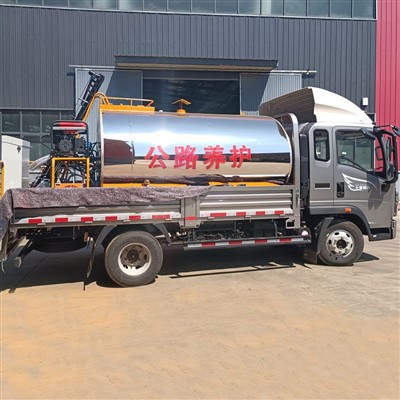
In the modern construction industry, automated bitumen melting plants have become an indispensable part, offering high - efficiency solutions for bitumen processing. As a supplier of Bitumen Melting Plant, I've witnessed their widespread adoption and the numerous advantages they bring. However, like any technology, automated bitumen melting plants also have their share of disadvantages.
High Initial Investment
One of the most significant drawbacks of an automated bitumen melting plant is the high initial investment required. These plants are equipped with advanced automation systems, high - quality heating elements, and sophisticated control mechanisms. The cost of purchasing the machinery, installing it, and ensuring that it meets all the necessary safety and environmental regulations can be substantial. For small - scale construction companies or startups, this upfront cost can be a major barrier to entry.
For example, a state - of - the - art automated bitumen melting plant may cost hundreds of thousands of dollars. In addition to the purchase price, there are also costs associated with site preparation, such as building a proper foundation and ensuring adequate ventilation. This large financial outlay may force some businesses to look for alternative, less efficient methods of bitumen melting or delay their expansion plans.
Complex Maintenance Requirements
Automated bitumen melting plants are complex pieces of equipment with many moving parts and advanced electronic systems. Maintaining these plants requires a high level of technical expertise. Regular maintenance is essential to ensure the smooth operation of the plant and to prevent breakdowns.
The heating elements, pumps, valves, and control systems all need to be inspected, cleaned, and calibrated on a regular basis. Any malfunction in these components can lead to reduced efficiency, increased energy consumption, or even complete shutdown of the plant. Moreover, finding qualified technicians who are familiar with the specific make and model of the automated bitumen melting plant can be a challenge. This can result in longer downtime during maintenance and repair, which can disrupt construction schedules and lead to additional costs.
Energy Consumption
Automated bitumen melting plants consume a significant amount of energy. The process of melting bitumen requires heating it to high temperatures, and this is typically achieved using fossil fuels such as natural gas or diesel. The high energy demand not only increases the operating costs but also has a negative impact on the environment.
In today's world, where there is a growing emphasis on sustainability and reducing carbon emissions, the high energy consumption of these plants is a major concern. The burning of fossil fuels releases greenhouse gases such as carbon dioxide and methane, which contribute to global warming. Additionally, the rising cost of energy sources means that the operating expenses of the plant are likely to increase over time, putting further pressure on the profitability of the business.
Limited Flexibility
Automated bitumen melting plants are designed to operate within a specific range of parameters. They are optimized for a particular type of bitumen and a specific production capacity. This lack of flexibility can be a disadvantage in certain situations.
For example, if a construction project requires a different grade of bitumen than the one the plant is designed to handle, it may not be possible to make the necessary adjustments easily. Changing the production settings to accommodate a different type of bitumen may require significant modifications to the plant, which can be time - consuming and expensive. Similarly, if there is a sudden change in the production volume requirements, the plant may not be able to adapt quickly. This can lead to inefficiencies, such as over - production or under - production, which can affect the overall profitability of the project.
Environmental Concerns
Apart from the energy - related environmental issues, automated bitumen melting plants also pose other environmental risks. The melting process can release harmful pollutants into the air, such as volatile organic compounds (VOCs) and particulate matter. These pollutants can have a negative impact on air quality and human health.
In addition, the disposal of waste materials generated during the bitumen melting process, such as slag and sludge, can be a challenge. If not managed properly, these waste materials can contaminate soil and water sources. Many countries and regions have strict environmental regulations regarding the operation of bitumen melting plants, and non - compliance can result in hefty fines and legal consequences.


Dependency on Technology
Automated bitumen melting plants rely heavily on technology for their operation. Any disruption in the power supply, software glitches, or problems with the automation system can bring the plant to a halt. In areas with unreliable power grids or limited access to technical support, this can be a major problem.
Moreover, as technology evolves rapidly, the automated bitumen melting plants may become obsolete relatively quickly. Upgrading the plant to incorporate the latest technological advancements can be expensive, and some businesses may not be able to afford these upgrades. This can put them at a competitive disadvantage in the market.
Despite these disadvantages, it's important to note that automated bitumen melting plants also offer many benefits, such as increased productivity, improved quality control, and reduced labor costs. At our company, we are constantly working on improving our Asphalt Melting Plant and Asphalt Melting Machine to minimize these drawbacks. We are investing in research and development to make our plants more energy - efficient, environmentally friendly, and easier to maintain.
If you are considering purchasing an automated bitumen melting plant, it's crucial to carefully weigh the advantages and disadvantages. Our team of experts is here to help you make an informed decision. We can provide you with detailed information about our products, their performance, and the associated costs. Whether you are a large construction company or a small - scale contractor, we have solutions that can meet your specific needs. Contact us today to start a discussion about your bitumen melting requirements and explore how our products can benefit your business.
References
- "Handbook of Bitumen Science and Technology", John Wiley & Sons, Inc.
- "Energy Efficiency in Industrial Processes", International Energy Agency
- "Environmental Impact of Construction Equipment", Construction Industry Institute