Can an Asphalt Distributor Tank be used in marine environments?
As a supplier of Asphalt Distributor Tanks, I often receive inquiries from customers regarding the adaptability of our products in various environments. One question that frequently arises is whether an Asphalt Distributor Tank can be used in marine environments. In this blog post, I will delve into this topic, exploring the technical aspects, challenges, and potential solutions associated with using Asphalt Distributor Tanks in marine settings.
Understanding Asphalt Distributor Tanks
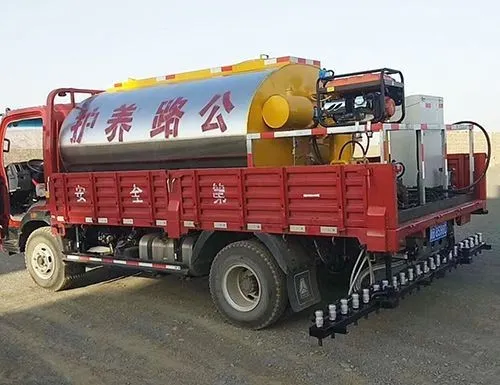
Before we discuss the suitability of Asphalt Distributor Tanks for marine environments, it's essential to understand what these tanks are and how they function. An Asphalt Distributor Tank is a crucial component of an asphalt distribution system, typically mounted on a truck or other mobile equipment. Its primary function is to store and transport hot asphalt, which is then distributed evenly on roads, pavements, or other surfaces during construction or maintenance projects.
These tanks are designed to withstand high temperatures and pressures, as asphalt needs to be heated to a specific temperature to maintain its fluidity and workability. They are usually made of high-quality steel or other durable materials and are equipped with heating systems, insulation, and controls to ensure the proper storage and distribution of asphalt.
Challenges of Using Asphalt Distributor Tanks in Marine Environments
While Asphalt Distributor Tanks are designed for use in a variety of terrestrial environments, using them in marine settings presents several unique challenges.
Corrosion: One of the most significant challenges is corrosion. Marine environments are highly corrosive due to the presence of saltwater, humidity, and other chemicals. Saltwater can accelerate the corrosion process, leading to the degradation of the tank's structural integrity over time. If the tank is not properly protected, corrosion can cause leaks, cracks, and other damage, which can compromise the safety and performance of the asphalt distribution system.
Vibration and Movement: Marine vessels are subject to constant vibration and movement due to waves, currents, and the vessel's own propulsion. This can put additional stress on the Asphalt Distributor Tank and its components, increasing the risk of mechanical failure. The tank needs to be securely mounted and designed to withstand these dynamic forces to prevent damage and ensure its proper operation.
Temperature and Humidity: Marine environments can have extreme temperature and humidity variations, which can affect the performance of the asphalt and the tank's heating and insulation systems. High humidity can cause condensation inside the tank, which can lead to corrosion and other issues. Additionally, rapid temperature changes can cause the asphalt to solidify or become too viscous, making it difficult to distribute evenly.
Regulatory Requirements: Using Asphalt Distributor Tanks in marine environments may also be subject to specific regulatory requirements and safety standards. These regulations are in place to ensure the safety of the crew, the environment, and other vessels. Compliance with these regulations can add complexity and cost to the installation and operation of the asphalt distribution system.
Potential Solutions
Despite these challenges, there are several potential solutions that can make it possible to use Asphalt Distributor Tanks in marine environments.
Corrosion Protection: To prevent corrosion, the tank can be coated with a high-quality anti-corrosion paint or other protective coatings. Stainless steel or other corrosion-resistant materials can also be used in the construction of the tank. Additionally, regular inspections and maintenance can help detect and address any signs of corrosion early on, preventing further damage.
Mounting and Securing: The tank should be securely mounted on the vessel using a robust mounting system that can withstand the vibration and movement. Shock absorbers and other damping devices can be used to reduce the impact of the dynamic forces on the tank. The mounting system should also be designed to allow for easy access to the tank for maintenance and inspection.
Temperature and Humidity Control: To address the issues related to temperature and humidity, the tank's heating and insulation systems can be upgraded to provide better control and stability. Dehumidifiers can be installed inside the tank to reduce the humidity and prevent condensation. Additionally, the asphalt can be formulated to have better resistance to temperature variations, ensuring its proper flow and distribution in different environmental conditions.

Compliance with Regulations: It's essential to work closely with regulatory authorities and ensure that the Asphalt Distributor Tank and the asphalt distribution system comply with all relevant regulations and safety standards. This may involve obtaining permits, conducting safety assessments, and implementing appropriate safety measures.
Applications in Marine Environments
While the use of Asphalt Distributor Tanks in marine environments is not as common as in terrestrial applications, there are some specific scenarios where they can be useful.
Offshore Construction: In offshore construction projects, such as the construction of oil platforms, bridges, or other marine structures, asphalt may be used for waterproofing, paving, or other purposes. An Asphalt Distributor Tank can be used to store and distribute the asphalt directly on the offshore site, eliminating the need for frequent transportation of asphalt from onshore facilities.
Port and Harbor Maintenance: Ports and harbors require regular maintenance and repair of their pavements, aprons, and other infrastructure. An Asphalt Distributor Tank can be used on a marine vessel to distribute asphalt for these maintenance projects, providing a more efficient and cost-effective solution compared to traditional methods.
Marine Infrastructure Upgrades: As marine infrastructure ages, it may need to be upgraded or renovated. Asphalt can be used to improve the durability and performance of the infrastructure. An Asphalt Distributor Tank can be used to apply the asphalt in a controlled and efficient manner, ensuring the quality of the work.
Conclusion
In conclusion, while using an Asphalt Distributor Tank in a marine environment presents several challenges, it is possible with the right design, materials, and solutions. By addressing the issues related to corrosion, vibration, temperature, and regulatory compliance, we can make these tanks suitable for use in various marine applications.
If you are interested in using an Asphalt Distributor Tank in a marine environment or have any questions about our products, please feel free to contact us. We have a team of experts who can provide you with more information and help you find the best solution for your specific needs. Whether you are involved in offshore construction, port maintenance, or other marine projects, we can offer high-quality Asphalt Distributor Tanks and related equipment to meet your requirements.
We also offer a range of Asphalt Distributor Trucks and Standard Asphalt Distributors that can be customized to suit different applications. Our products are designed and manufactured to the highest standards, ensuring reliability, performance, and safety.
Don't hesitate to reach out to us if you are considering a project that requires the use of asphalt distribution equipment in a marine environment. We look forward to discussing your needs and working with you to achieve your goals.
References
- ASTM International. (Year). Standard specifications for steel tanks for oil storage. ASTM DXXXX.
- International Maritime Organization. (Year). International Maritime Dangerous Goods Code (IMDG Code).
- National Fire Protection Association. (Year). NFPA 30: Flammable and Combustible Liquids Code.