Hey there! As a supplier of a Rubber Asphalt Plant, I often get asked about how to measure the road durability after using rubber asphalt. Well, I'm here to share some insights on this topic.
First off, let's understand why rubber asphalt is so great. Rubber asphalt, produced by Rubber Asphalt Production Equipment, combines asphalt with recycled rubber, usually from old tires. This mixture offers a bunch of benefits, like better resistance to cracking, improved skid resistance, and reduced noise. But how do we know if it's actually making the roads more durable?
One of the most common ways to measure road durability is through the rutting test. Rutting is when the road surface develops grooves over time due to the repeated traffic load. To conduct this test, we use a special machine that simulates the movement of vehicles on the road. The rubber asphalt sample is placed in the machine, and it's subjected to a certain number of wheel passes at a specific temperature and load. After the test, we measure the depth of the ruts. A lower rut depth indicates better durability.
Another important test is the fatigue cracking test. Fatigue cracking occurs when the road surface is repeatedly stressed, usually from traffic. We can use a bending beam rheometer (BBR) to measure the fatigue resistance of rubber asphalt. The BBR applies a constant load to a small beam of rubber asphalt and measures its deformation over time. If the rubber asphalt can withstand a large number of load cycles without cracking, it means it has good fatigue resistance, which is a key factor in road durability.
The indirect tensile strength (ITS) test is also crucial. This test measures the ability of the rubber asphalt to resist tensile forces. Tensile forces can cause the road surface to crack, especially in cold weather or when there are sudden temperature changes. In the ITS test, a cylindrical sample of rubber asphalt is placed between two platens, and a load is applied until the sample fails. The higher the ITS value, the better the rubber asphalt can resist cracking under tensile forces.
Now, let's talk about the importance of using high - quality equipment from a reliable Rubber Asphalt Plant. Our Rubber Colored Asphalt Equipment is designed to produce rubber asphalt with consistent quality. The right equipment ensures that the rubber and asphalt are mixed thoroughly, which is essential for the performance of the rubber asphalt. A well - mixed rubber asphalt will have better durability and will perform better in all the tests we mentioned above.
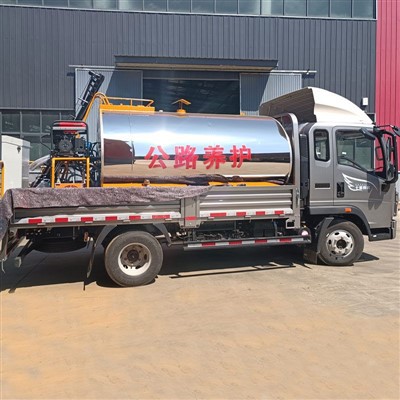
If you're in a situation where you need to move your asphalt production site frequently, our Mobile Rubber Asphalt Plant is a great option. It allows you to produce rubber asphalt on - site, reducing transportation costs and ensuring that the asphalt is fresh when it's applied to the road. This can also have a positive impact on the road durability, as fresh asphalt tends to bond better with the road base.
In addition to these laboratory tests, field performance monitoring is also very important. Once the rubber asphalt is applied to the road, we can monitor it over time to see how it actually performs in real - world conditions. We can look for signs of cracking, rutting, and other forms of distress. By comparing the field performance with the results of the laboratory tests, we can get a more accurate picture of the road durability.
Regular maintenance is also a key factor in ensuring the long - term durability of roads made with rubber asphalt. Simple things like cleaning the road surface, filling cracks promptly, and applying seal coats can extend the life of the road. Rubber asphalt is more resistant to damage than traditional asphalt, but it still needs proper care to perform at its best.
When choosing a Rubber Asphalt Plant supplier, it's important to look for a company that has a good reputation and a track record of producing high - quality equipment. You want to make sure that the equipment is easy to operate, maintain, and that it can produce rubber asphalt that meets your specific requirements.
If you're in the market for rubber asphalt production equipment or you want to learn more about how to measure road durability after using rubber asphalt, don't hesitate to reach out. We're here to help you make the best decisions for your road construction projects. Whether you're a small - scale contractor or a large - scale infrastructure developer, we have the right solutions for you.
In conclusion, measuring the road durability after using rubber asphalt from a Rubber Asphalt Plant involves a combination of laboratory tests, field performance monitoring, and proper maintenance. By using high - quality equipment like our Rubber Colored Asphalt Equipment, Rubber Asphalt Production Equipment, and Mobile Rubber Asphalt Plant, you can ensure that your roads are more durable and last longer. So, if you're interested in improving the quality of your road construction projects, contact us today to discuss your needs and explore our range of products.
References


- Kandhal, P. S., & Mallick, R. B. (1998). Rubber - Modified Asphalt Concrete Materials, Mixtures, and Pavements. CRC Press.
- Christensen, D. W., & Bonaquist, R. F. (2006). Superpave Mix Design and Construction Guide. National Asphalt Pavement Association.