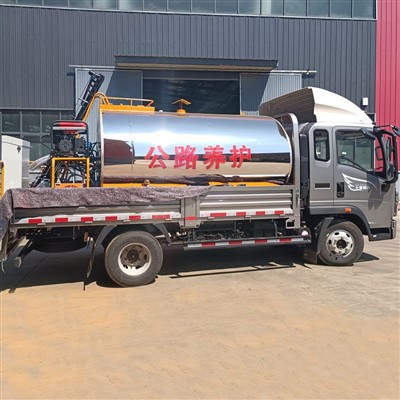
As a supplier of Bitumen Melting Equipment, I've witnessed firsthand the dynamic nature of the asphalt industry. The question of whether bitumen melting equipment can be upgraded is not just relevant; it's crucial for businesses aiming to stay competitive and efficient. In this blog, I'll delve into the possibilities, benefits, and considerations of upgrading bitumen melting equipment.


The Need for Upgrades
The asphalt industry is constantly evolving, driven by technological advancements, environmental regulations, and changing market demands. Older bitumen melting equipment may struggle to keep up with these changes, leading to inefficiencies, higher operating costs, and potential compliance issues. Upgrading equipment can address these challenges and offer several key benefits.
Efficiency Improvements
One of the primary reasons to upgrade bitumen melting equipment is to improve efficiency. Newer models often feature advanced heating technologies that can melt bitumen more quickly and uniformly. This reduces the time required for the melting process, increasing productivity and allowing for more batches to be processed in a given period. For example, some modern equipment uses direct flame heating systems that provide rapid and efficient heat transfer, minimizing energy waste and reducing melting times.
Energy Savings
Energy consumption is a significant cost factor in bitumen melting operations. Upgrading to energy-efficient equipment can lead to substantial savings over time. Newer models are designed with features such as improved insulation, advanced burner systems, and optimized heat transfer mechanisms that reduce energy requirements. For instance, high-quality insulation materials can prevent heat loss, ensuring that more of the energy used is directed towards melting the bitumen. Additionally, advanced burner systems can adjust the fuel-air ratio more precisely, maximizing combustion efficiency and reducing fuel consumption.
Environmental Compliance
Environmental regulations are becoming increasingly stringent, and bitumen melting operations are not exempt. Upgrading equipment can help ensure compliance with these regulations. Newer models are often designed to minimize emissions of pollutants such as particulate matter, sulfur dioxide, and nitrogen oxides. For example, some equipment incorporates advanced filtration systems that capture and remove harmful pollutants from the exhaust gases, reducing the environmental impact of the melting process.
Quality Control
Consistent quality is essential in the asphalt industry. Upgrading bitumen melting equipment can improve quality control by providing more precise temperature control and better mixing capabilities. Newer models are equipped with advanced sensors and control systems that can monitor and adjust the melting process in real-time, ensuring that the bitumen reaches the desired temperature and consistency. This results in a higher-quality product that meets or exceeds industry standards.
Upgrading Possibilities
When considering an upgrade, there are several options available, depending on the specific needs and budget of the business.
Component Upgrades
One option is to upgrade individual components of the existing equipment. This can be a cost-effective way to improve performance without replacing the entire system. For example, upgrading the burner system can enhance energy efficiency and reduce emissions. Similarly, replacing old insulation materials with newer, more effective ones can improve heat retention and reduce energy consumption. Other components that can be upgraded include pumps, valves, and control systems.
Retrofits
Retrofitting involves modifying the existing equipment to incorporate new technologies or features. This can be a more comprehensive upgrade than component replacement but may still be more cost-effective than purchasing a brand-new system. For example, a retrofit could involve installing a new heating system or adding advanced automation and control features. Retrofitting can also be customized to meet the specific requirements of the business, allowing for a tailored solution that addresses the unique challenges of the operation.
New Equipment Purchase
In some cases, purchasing new bitumen melting equipment may be the best option. This is particularly true for older equipment that is outdated or no longer meets the needs of the business. New equipment offers the latest technologies and features, providing the highest level of efficiency, performance, and environmental compliance. When choosing new equipment, it's important to consider factors such as capacity, heating method, energy efficiency, and ease of maintenance.
Considerations for Upgrading
Before making a decision to upgrade bitumen melting equipment, there are several factors that need to be considered.
Cost
The cost of upgrading is a significant consideration. This includes not only the purchase price of the new equipment or components but also installation costs, training costs, and any additional expenses associated with the upgrade. It's important to conduct a cost-benefit analysis to determine whether the investment in upgrading is justified. This analysis should take into account the potential savings in energy costs, increased productivity, and improved product quality over the long term.
Compatibility
When upgrading components or retrofitting existing equipment, compatibility is a crucial factor. The new components or technologies must be compatible with the existing system to ensure proper operation. This may require some modifications or adjustments to the existing equipment. It's important to work with a reputable supplier or manufacturer who can provide guidance and support to ensure a seamless upgrade process.
Training and Support
Upgrading to new equipment may require training for operators and maintenance personnel. It's important to ensure that the supplier or manufacturer provides comprehensive training and support to ensure that the equipment is operated and maintained correctly. This includes training on the new features and technologies, as well as troubleshooting and maintenance procedures. Additionally, ongoing technical support should be available to address any issues that may arise after the upgrade.
Return on Investment (ROI)
Calculating the return on investment is essential when considering an upgrade. This involves estimating the potential savings in energy costs, increased productivity, and improved product quality over the life of the equipment. The ROI should be compared to the initial investment to determine whether the upgrade is financially viable. It's important to consider both the short-term and long-term benefits when calculating the ROI.
Conclusion
In conclusion, bitumen melting equipment can definitely be upgraded, and there are numerous benefits to doing so. Upgrading can improve efficiency, save energy, ensure environmental compliance, and enhance quality control. Whether through component upgrades, retrofits, or purchasing new equipment, businesses have several options to choose from based on their specific needs and budget. However, it's important to carefully consider factors such as cost, compatibility, training, and ROI before making a decision.
If you're interested in upgrading your bitumen melting equipment or learning more about our Asphalt Melting Equipment, Asphalt Melting Machine, or Bitumen Melting Plant, please don't hesitate to contact us. We're here to help you make the right decision for your business and provide you with the best solutions for your bitumen melting needs.
References
- "Advances in Bitumen Melting Technology" - Journal of Asphalt Technology
- "Energy Efficiency in Bitumen Processing" - International Energy Agency
- "Environmental Regulations for Bitumen Melting Operations" - Environmental Protection Agency