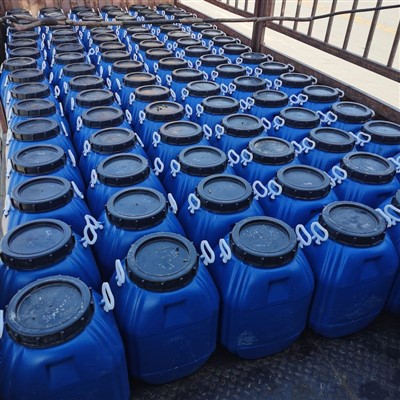
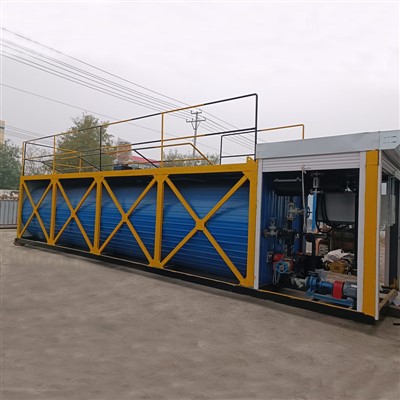
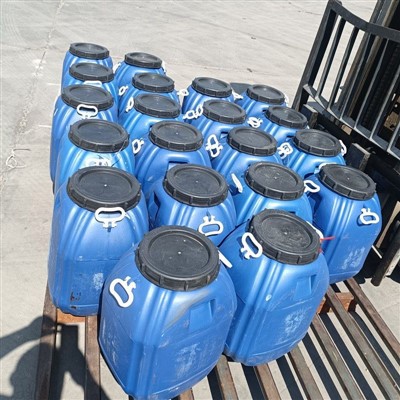
Hey there! I'm a supplier of asphalt emulsifiers, and today I want to chat about how these nifty products perform in cold climates. As someone who's been in the asphalt emulsifier game for a while, I've seen firsthand the unique challenges and opportunities that cold weather presents.
Understanding Asphalt Emulsifiers
Before we dive into the cold - climate stuff, let's quickly go over what asphalt emulsifiers are. Asphalt emulsifiers are chemicals that help mix asphalt and water, creating a stable emulsion. This emulsion is much easier to handle and apply than traditional hot - mix asphalt. There are two main types: Anionic Emulsifier and Cationic Emulsifier. Anionic emulsifiers have negatively charged particles, while cationic emulsifiers have positively charged ones. Each type has its own set of properties and applications. You can learn more about them on our Asphalt Emulsifier page.
Challenges in Cold Climates
Cold climates throw a bunch of curveballs at asphalt emulsifiers. First off, the low temperatures slow down the breaking and setting process of the emulsion. Breaking is when the asphalt and water in the emulsion separate, and setting is when the asphalt hardens. In cold weather, these processes can take a lot longer, which means construction projects can get delayed.
Another issue is the risk of freezing. If the emulsion freezes, it can damage the structure of the emulsion, making it less effective. Once the emulsion thaws, it might not perform as well as it should, leading to poor - quality asphalt surfaces.
The cold also affects the adhesion of the asphalt to the aggregate (the stones and sand used in the mix). When it's cold, the asphalt may not bond as tightly to the aggregate, which can result in a weaker surface that's more prone to cracking and raveling (when the surface particles start to come loose).
How Asphalt Emulsifiers Can Adapt
Despite these challenges, asphalt emulsifiers can still work well in cold climates if they're formulated correctly. Some emulsifiers are specially designed for cold - weather use. These emulsifiers have additives that can speed up the breaking and setting process even at low temperatures.
For example, some emulsifiers contain polymers that help improve the flexibility of the asphalt. In cold weather, asphalt can become brittle and crack easily. But with the addition of polymers, the asphalt can bend a bit without breaking, which is super important for maintaining a durable surface.
Another approach is to use warm - mix additives in combination with the emulsifier. These additives reduce the viscosity of the asphalt at lower temperatures, making it easier to mix and apply. This can help overcome the slow - setting problem associated with cold weather.
Case Studies
I've got a few real - world examples to share with you. There was a road construction project in a mountainous area with cold winters. The contractor was using a standard asphalt emulsifier, and they were having a hard time getting the asphalt to set properly. The project was falling behind schedule, and the surface quality was sub - par.
We recommended switching to our cold - weather - specific emulsifier. This emulsifier had additives that accelerated the breaking and setting process. Once they made the switch, the asphalt started to break and set much faster, even in the cold. The project got back on track, and the final surface was of much higher quality.
In another case, a parking lot in a cold northern city was experiencing cracking and raveling. The problem was that the asphalt wasn't adhering well to the aggregate due to the cold temperatures. We provided a cationic emulsifier with polymer additives. The polymers improved the flexibility of the asphalt, and the cationic nature of the emulsifier enhanced the adhesion to the aggregate. After the repair, the parking lot surface became much more durable, and the cracking and raveling issues were significantly reduced.
Best Practices for Using Asphalt Emulsifiers in Cold Climates
If you're working with asphalt emulsifiers in cold climates, here are some tips to keep in mind. First, make sure to store the emulsion properly. Keep it in a warm place to prevent freezing. If possible, heat the emulsion slightly before use to improve its flow and performance.
When applying the emulsion, try to do it on a relatively warm day if you can. Even a small increase in temperature can make a big difference in the breaking and setting process. Also, make sure the aggregate is dry. Moisture on the aggregate can slow down the adhesion process and cause problems.
It's also a good idea to use a higher dosage of the emulsifier than you would in warmer climates. This can help compensate for the slower - acting properties of the emulsion in cold weather.


Conclusion
In conclusion, asphalt emulsifiers can be a great solution for road construction and maintenance in cold climates, but they do require some special considerations. By using specially formulated emulsifiers, following best practices, and learning from real - world examples, you can overcome the challenges and achieve high - quality asphalt surfaces even in the coldest of conditions.
If you're involved in a project in a cold climate and need an asphalt emulsifier that can perform well, I'd love to chat with you. Whether you have questions about our products or need help choosing the right emulsifier for your project, don't hesitate to reach out. Just head over to our Asphalt Emulsifier page to learn more and start the conversation. Let's work together to make your cold - climate asphalt projects a success!
References
- "Asphalt Emulsion Technology Handbook" by the Asphalt Emulsion Manufacturers Association.
- "Cold - Weather Paving with Asphalt Emulsions" research report from a leading construction materials research institute.