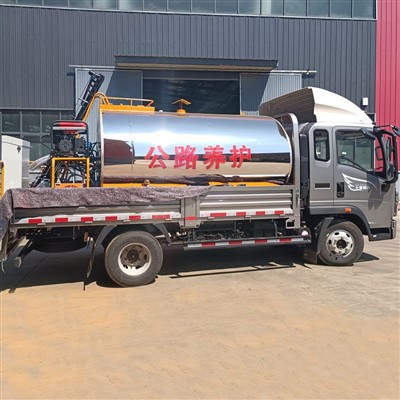
As a supplier of Bitumen Melting Equipment, I understand the critical role that proper storage conditions play in maintaining the functionality and longevity of the equipment's accessories. Bitumen melting equipment accessories are designed to operate in harsh environments and under high - temperature conditions. Therefore, their storage requirements are specific and must be carefully considered to ensure they are in optimal condition when needed.
Temperature Considerations
Temperature is one of the most crucial factors when it comes to storing bitumen melting equipment accessories. Extreme temperatures can have a detrimental effect on the materials used in these accessories.
High temperatures can cause certain polymers and rubbers, which are commonly used in gaskets, seals, and hoses, to degrade. When exposed to excessive heat, these materials may lose their elasticity, become brittle, and eventually crack. This can lead to leaks and malfunctions when the accessories are put into use. For example, a rubber gasket that has been stored in a hot environment may not provide a proper seal in the bitumen melting equipment, allowing bitumen to escape and potentially causing safety hazards.
On the other hand, low temperatures can also pose problems. Cold temperatures can make metals more brittle, increasing the risk of fractures and breakages. For instance, steel pipes or metal connectors may be more prone to damage if they are exposed to freezing temperatures during storage.
The ideal temperature range for storing bitumen melting equipment accessories is between 10°C and 30°C (50°F and 86°F). This range helps to maintain the integrity of both the metallic and non - metallic components. If the storage area cannot maintain this temperature range, appropriate insulation or climate - control systems should be installed.
Humidity and Moisture Control
Humidity and moisture are significant threats to bitumen melting equipment accessories. Excessive moisture can lead to corrosion of metal parts. Metals such as iron and steel are particularly susceptible to rust when exposed to water and oxygen. Rust not only weakens the structural integrity of the metal components but can also contaminate the bitumen during the melting process.
Moisture can also have a negative impact on electrical components. Water can cause short - circuits, damage wiring, and reduce the performance of sensors and control units. For example, if a humidity - sensitive sensor in the bitumen melting equipment is exposed to high moisture levels during storage, it may give inaccurate readings when the equipment is in operation.
To prevent these issues, the storage area should have a relative humidity level of less than 60%. Dehumidifiers can be used to control humidity if necessary. Additionally, accessories should be stored in a dry environment, away from sources of water such as leaky roofs or pipes. Metal parts can be coated with anti - corrosion agents before storage to provide an extra layer of protection.
Protection from Dust and Debris
Dust and debris can accumulate on bitumen melting equipment accessories over time, which can cause various problems. Dust particles can clog filters, reducing the efficiency of the equipment's ventilation and filtration systems. They can also scratch the surfaces of moving parts, leading to increased friction and wear.
For example, if dust gets into the bearings of a motor or a pump, it can cause premature failure of these components. Debris such as small stones or pieces of metal can also cause damage if they come into contact with sensitive parts of the equipment.
Accessories should be stored in a clean environment, preferably in sealed containers or cabinets. If the accessories are large and cannot be stored in containers, they should be covered with protective sheets. Regular cleaning of the storage area is also essential to prevent the build - up of dust and debris.
Storage Orientation and Support
The way accessories are stored can also affect their condition. Some accessories, such as long pipes or rods, should be stored in a horizontal position to prevent bending or warping. If they are stored vertically for an extended period, the weight of the material can cause them to deform under the force of gravity.
Heavy or large accessories need proper support. For example, a large heater unit should be placed on a stable and level surface to prevent it from tipping over or being damaged due to uneven support. Improper storage orientation and lack of support can lead to structural damage, which may render the accessories unusable.
Chemical Compatibility
Bitumen melting equipment accessories may come into contact with various chemicals during their operation. When storing these accessories, it is important to ensure that they are not exposed to incompatible chemicals.
Some chemicals can react with the materials of the accessories, causing corrosion, degradation, or other forms of damage. For example, certain acids or alkalis can attack the metal or plastic components of the equipment. Accessories should be stored away from areas where chemicals are stored or used. If there is a risk of chemical exposure, appropriate barriers or separation methods should be implemented.
Protection from UV Radiation
Ultraviolet (UV) radiation from sunlight can have a negative impact on some of the non - metallic components of bitumen melting equipment accessories. Plastics and rubbers can become brittle and discolored when exposed to UV rays for a long time.
For example, a plastic cover or a rubber hose that is left in direct sunlight during storage may lose its flexibility and strength. To protect against UV radiation, accessories should be stored in a shaded area or covered with UV - resistant materials.
Inventory Management and Documentation
Proper inventory management is essential for ensuring that bitumen melting equipment accessories are stored correctly. An inventory system should be in place to keep track of the location, quantity, and condition of each accessory. This helps to prevent loss, damage, and misplacement.
Documentation is also important. Records should be kept of the storage conditions, including temperature, humidity, and any incidents or changes in the condition of the accessories. This information can be useful for troubleshooting and maintenance in the future.
Conclusion
In conclusion, the storage conditions for bitumen melting equipment accessories are complex and require careful attention. By maintaining the right temperature, humidity, and cleanliness, and by considering factors such as storage orientation, chemical compatibility, and protection from UV radiation, we can ensure that the accessories remain in good condition and are ready for use when needed.


As a supplier of Bitumen Melting Equipment, Asphalt Melting Machine, and Asphalt Fast Melting Machine, we are committed to providing high - quality products and sharing our expertise on their proper maintenance and storage. If you are interested in our products or have any questions about bitumen melting equipment and its accessories, please feel free to contact us for procurement and further discussions.
References
- ASTM International standards related to the storage of industrial equipment.
- Manufacturer's guidelines for bitumen melting equipment and accessories.
- Industry research papers on the effects of environmental factors on equipment storage.