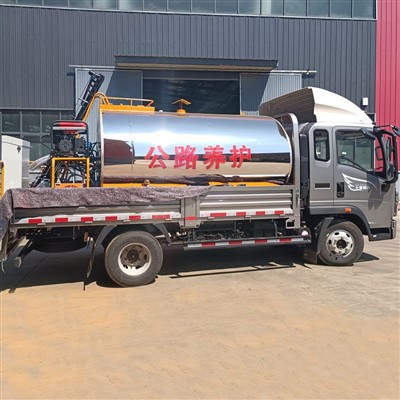
Asphalt solidification can be a real headache when you're working with an asphalt distributor truck. As a supplier of these trucks, I've seen firsthand the challenges that asphalt solidification presents to our customers. In this blog post, I'm gonna share some insights on how our asphalt distributor trucks deal with this common issue.
Understanding Asphalt Solidification
First off, let's talk about why asphalt solidifies. Asphalt is a thermoplastic material, which means its viscosity changes with temperature. When the temperature drops, asphalt becomes thicker and can eventually solidify. This can happen during storage, transportation, or when the asphalt is being applied.


Solidified asphalt can cause a whole bunch of problems. It can clog the pipes and nozzles of the asphalt distributor truck, making it difficult or even impossible to spray the asphalt evenly. It can also lead to uneven pavement surfaces, which can affect the quality and durability of the road.
Heating Systems in Our Asphalt Distributor Trucks
One of the key ways our Asphalt Distributor Truck deal with asphalt solidification is through advanced heating systems. These systems are designed to keep the asphalt at the right temperature throughout the entire process, from storage to application.
Most of our trucks are equipped with direct heating systems, which use burners to heat the asphalt directly. The burners are usually fueled by diesel or natural gas and are located beneath the asphalt tank. The heat is transferred to the asphalt through the tank walls, ensuring that the asphalt remains in a liquid state.
In addition to direct heating, some of our Intelligent Asphalt Distributor Truck also feature indirect heating systems. These systems use a heat transfer fluid, such as thermal oil, to transfer heat from the burner to the asphalt. Indirect heating systems are more efficient and provide more precise temperature control, which is especially important for high-quality asphalt applications.
Insulation and Temperature Monitoring
Another important aspect of dealing with asphalt solidification is insulation. Our asphalt distributor trucks are designed with high-quality insulation materials to minimize heat loss. This helps to keep the asphalt at the desired temperature for longer periods of time, even in cold weather conditions.
We also incorporate temperature monitoring systems into our trucks. These systems allow the operator to monitor the temperature of the asphalt in real-time and make adjustments as needed. If the temperature starts to drop, the heating system can be activated to bring the asphalt back up to the optimal temperature.
Circulation and Mixing
Proper circulation and mixing of the asphalt are also crucial for preventing solidification. Our trucks are equipped with agitators and circulation pumps that keep the asphalt moving inside the tank. This helps to distribute the heat evenly and prevent the formation of hot and cold spots, which can lead to solidification.
The agitators are typically located inside the asphalt tank and are powered by hydraulic motors. They rotate at a slow speed, gently stirring the asphalt to keep it in a homogeneous state. The circulation pumps, on the other hand, are used to circulate the asphalt through the pipes and nozzles, ensuring that the asphalt remains fluid and ready for application.
Maintenance and Cleaning
Regular maintenance and cleaning are essential for keeping our asphalt distributor trucks in good working condition and preventing asphalt solidification. After each use, the truck should be thoroughly cleaned to remove any residual asphalt. This helps to prevent the buildup of solidified asphalt in the pipes and nozzles, which can cause blockages and other problems.
We also recommend that our customers follow a regular maintenance schedule for their trucks. This includes checking the heating system, insulation, and temperature monitoring system for any signs of wear or damage. By keeping the truck in good condition, you can ensure that it operates efficiently and effectively, even in challenging conditions.
Intelligent Control Systems
Our Intelligent Asphalt Distributor come with intelligent control systems that play a significant role in dealing with asphalt solidification. These systems use sensors and algorithms to automatically adjust the heating, circulation, and other parameters based on the temperature, pressure, and other conditions.
For example, if the system detects that the asphalt temperature is dropping, it can automatically increase the burner output to maintain the desired temperature. The intelligent control systems also provide real-time data and diagnostics, allowing the operator to quickly identify and address any issues that may arise.
Conclusion
Dealing with asphalt solidification is a complex but manageable challenge. Our asphalt distributor trucks are designed with a range of features and technologies to ensure that the asphalt remains in a liquid state throughout the entire process. From advanced heating systems and insulation to intelligent control systems and proper maintenance, we've got you covered.
If you're in the market for an asphalt distributor truck and want to learn more about how our trucks can help you deal with asphalt solidification, we'd love to hear from you. Contact us today to start a conversation about your specific needs and how we can provide you with the best solution for your asphalt distribution requirements.
References
- Asphalt Institute. (2023). Asphalt Technology Handbook.
- Federal Highway Administration. (2023). Pavement Preservation Technology Information.