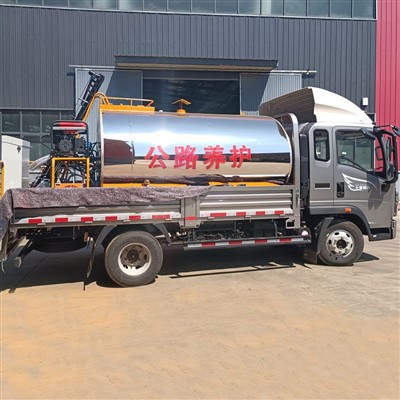
Hey there! I'm a supplier of asphalt distributors, and today I wanna chat with you about how to transport an asphalt distributor. It's not as straightforward as you might think, so let's dive right in.
First off, you gotta understand what an asphalt distributor is. We've got different types, like the Automatic Asphalt Distributor, the Asphalt Distributor Truck, and the Intelligent Asphalt Distributor Truck. Each one has its own features and functions, but when it comes to transportation, there are some general rules that apply.
Pre - transport Preparations
Before you even think about moving an asphalt distributor, you need to do some prep work. First, make sure the asphalt distributor is clean. Remove any excess asphalt from the tank, hoses, and nozzles. This not only reduces the weight but also prevents any mess during transit. You don't want asphalt dripping all over the place on the way to the destination.
Next, check all the mechanical parts. Look at the engine, brakes, and tires. Make sure the engine is in good working condition, the brakes are responsive, and the tires have enough tread and are properly inflated. You don't want to be stuck on the side of the road because of a flat tire or a mechanical failure.
Also, secure all the loose parts. Any removable components like nozzles, hoses, or covers should be safely stored or fastened down. This prevents them from getting damaged or lost during transportation.
Choosing the Right Transport Method
There are a few ways to transport an asphalt distributor, and the choice depends on a few factors like the size of the distributor, the distance, and the terrain.
Flatbed Trucks
For shorter distances and relatively small - sized asphalt distributors, a flatbed truck is a great option. It's easy to load and unload the distributor onto the flatbed. You can use a forklift or a ramp to get the distributor on the truck. Just make sure to secure it properly with straps or chains. You don't want it shifting around during the journey.
Low - boy Trailers
If you have a larger asphalt distributor, a low - boy trailer might be the way to go. These trailers are designed to carry heavy and oversized equipment. They have a low center of gravity, which makes them more stable on the road. Loading an asphalt distributor onto a low - boy trailer might require some special equipment, like a crane or a winch. But once it's on, you can be more confident that it will be transported safely.
Rail Transport
For long - distance transportation, rail transport can be a cost - effective option. Railroads can handle large and heavy loads, and they can often get your asphalt distributor to its destination faster than a truck on the road. However, you need to consider the logistics of getting the distributor to and from the rail yard. You'll need to arrange for local transport to pick it up at the rail yard and deliver it to the final destination.
Loading and Securing the Asphalt Distributor
Once you've chosen the transport method, it's time to load the asphalt distributor. If you're using a flatbed truck or a low - boy trailer, here's how you can do it.
Loading
As I mentioned earlier, for smaller distributors, you can use a forklift or a ramp. If you're using a forklift, make sure the forklift is rated to handle the weight of the distributor. Position the forklift carefully under the distributor and lift it slowly and steadily onto the truck or trailer. If you're using a ramp, drive the distributor up the ramp onto the transport vehicle. Make sure the ramp is secure and stable before you start driving up.
For larger distributors that require a crane or a winch, you need to follow the proper safety procedures. The crane operator should be experienced and licensed. Attach the lifting straps or chains to the appropriate lifting points on the distributor. Lift the distributor slowly and lower it gently onto the trailer.


Securing
Securing the asphalt distributor is crucial to prevent it from moving during transit. Use high - quality straps or chains to tie it down. Attach the straps or chains to the anchor points on the transport vehicle and the distributor. Make sure the straps are tight and there's no slack. You can also use additional bracing to prevent the distributor from tipping over.
Transportation Considerations
During transportation, there are a few things you need to keep in mind.
Speed
Don't drive too fast. The weight and size of the asphalt distributor can affect the handling of the transport vehicle. A slower speed gives you more time to react to any unexpected situations on the road. It also reduces the risk of damage to the distributor due to sudden stops or turns.
Route Planning
Plan your route carefully. Avoid roads with low bridges or narrow passages if your asphalt distributor is tall or wide. Check for any road construction or traffic congestion along the way. You can use GPS or mapping apps to find the best route. Also, make sure to check the weight limits of the roads you'll be traveling on. Some roads have restrictions on the weight of vehicles they can carry.
Weather Conditions
Keep an eye on the weather forecast. If there's a storm or heavy rain expected, it might be a good idea to delay the transportation. Wet roads can make it more difficult to control the transport vehicle, and extreme weather conditions can damage the asphalt distributor.
Unloading at the Destination
Once the asphalt distributor reaches its destination, it's time to unload it. The unloading process is basically the reverse of the loading process.
If you used a forklift or a ramp to load it, use the same method to unload it. Lower the distributor slowly and carefully onto the ground. If you used a crane or a winch, follow the proper safety procedures to lift it off the trailer.
After unloading, inspect the asphalt distributor for any damage that might have occurred during transportation. Check all the mechanical parts, hoses, and nozzles. Make sure everything is in working order before you start using it.
Why Choose Our Asphalt Distributors
We're a leading supplier of asphalt distributors, and we offer high - quality products. Our Automatic Asphalt Distributor is designed for efficiency and ease of use. It can automatically control the asphalt spraying process, saving you time and labor.
Our Asphalt Distributor Truck is built with durability in mind. It can handle tough working conditions and transport large amounts of asphalt.
And our Intelligent Asphalt Distributor Truck takes things to the next level with advanced technology. It can adjust the spraying rate based on the road conditions, ensuring a more even and efficient application of asphalt.
If you're in the market for an asphalt distributor, don't hesitate to reach out. We can provide you with all the information you need about our products and the transportation process. Whether you're a small construction company or a large infrastructure project, we've got the right asphalt distributor for you. Contact us today to start the procurement process and get your hands on a top - notch asphalt distributor.
References
- Construction Equipment Handbook
- Transportation Safety Guidelines for Heavy Equipment
So, that's a wrap on how to transport an asphalt distributor. I hope this blog has been helpful to you. If you have any questions, feel free to ask. Looking forward to doing business with you!