Hey there! As a supplier of Bitumen Emulsion Plants, I've seen firsthand how automation can revolutionize the operation of these facilities. In this blog, I'm gonna break down the ways automation improves the efficiency, quality, and overall performance of a bitumen emulsion plant.
1. Precise Control of Ingredients
One of the biggest advantages of automation in a bitumen emulsion plant is the ability to precisely control the ingredients. Bitumen emulsion production requires a careful balance of bitumen, water, emulsifiers, and additives. Manual control can lead to inconsistencies due to human error, such as inaccurate measurements or inconsistent mixing times.
Automated systems use sensors and controllers to measure and regulate the flow of each ingredient. For example, flow meters can accurately measure the amount of bitumen and water entering the mixing chamber, while dosing pumps ensure the correct amount of emulsifier and additives are added. This precision leads to a more consistent product quality, which is crucial for meeting industry standards and customer expectations.
Let's say you're producing a specific grade of bitumen emulsion for a road construction project. With automation, you can set the exact ratios of ingredients and have the system maintain those ratios throughout the production process. This means that every batch of emulsion will have the same properties, such as viscosity, stability, and droplet size.
2. Improved Mixing and Homogenization
Another area where automation shines is in the mixing and homogenization process. Bitumen emulsion is created by breaking down bitumen into tiny droplets and dispersing them evenly in water. This requires intense mixing and shearing forces to ensure a stable and uniform emulsion.
Automated mixing systems use advanced technology to optimize the mixing process. For instance, high - speed mixers with variable speed controls can adjust the mixing intensity based on the type of bitumen and the desired emulsion characteristics. Additionally, automated homogenizers can ensure that the bitumen droplets are of the right size and evenly distributed throughout the water phase.
In a manual system, it can be difficult to achieve consistent mixing results. Operators may not always run the mixers at the optimal speed or for the correct duration. With automation, the mixing parameters are pre - set and monitored, eliminating the guesswork. This results in a more homogeneous emulsion with better adhesion and performance on the road.

3. Enhanced Safety
Safety is a top priority in any industrial plant, and a bitumen emulsion plant is no exception. Bitumen is a hot and viscous material, and handling it can be dangerous if proper precautions are not taken. Automation helps to reduce the risk of accidents by minimizing human interaction with hazardous substances.
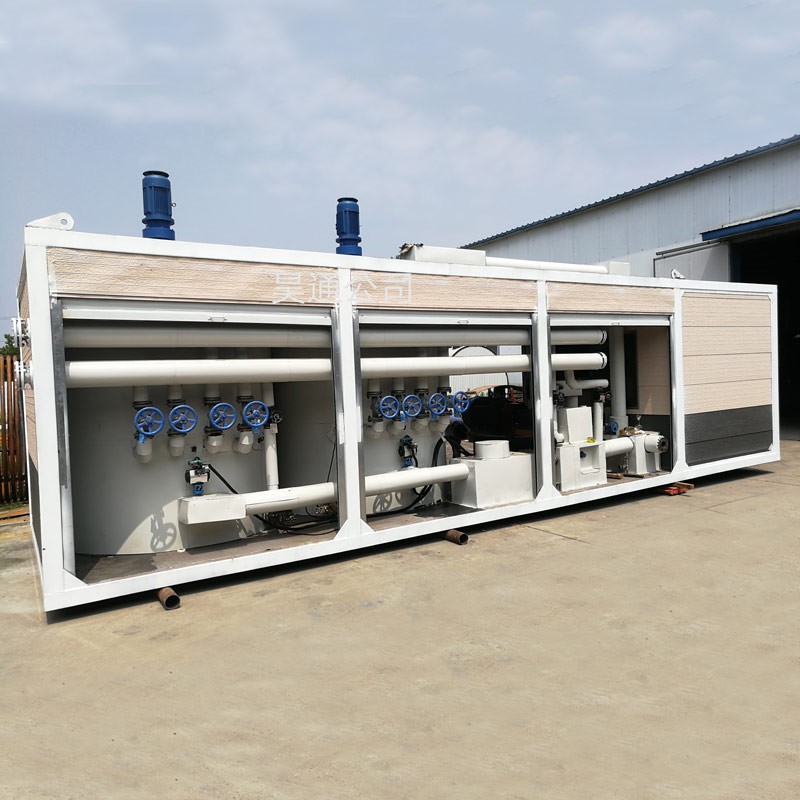
Automated systems can control the heating and transfer of bitumen, reducing the need for workers to be in close proximity to hot bitumen tanks. For example, automated valves can open and close to regulate the flow of bitumen, and temperature sensors can ensure that the bitumen is at the correct temperature for processing.
In addition, automation can detect and respond to potential safety hazards. For instance, if there is a leak in the bitumen or water lines, sensors can detect the change in pressure or flow and trigger an alarm. The system can also automatically shut down the relevant equipment to prevent further damage or danger.
4. Increased Production Efficiency
Automation can significantly increase the production efficiency of a bitumen emulsion plant. By streamlining the production process and reducing downtime, automated systems can produce more emulsion in less time.
For example, automated batching systems can quickly and accurately measure and mix the ingredients, reducing the time between batches. The system can also monitor the production rate and adjust the process parameters to optimize output. If the demand for bitumen emulsion increases, the automated plant can easily scale up production without sacrificing quality.
Moreover, automation reduces the need for manual labor. Instead of having workers constantly monitoring and adjusting the equipment, the automated system can do it all. This allows the plant to operate with a smaller workforce, which can save on labor costs in the long run.
5. Quality Control and Monitoring
Automation provides real - time quality control and monitoring capabilities. Sensors can continuously measure the properties of the bitumen emulsion, such as pH, viscosity, and solids content. This data is then sent to a control system, which can analyze the information and make adjustments as needed.
For example, if the viscosity of the emulsion is too high, the system can automatically adjust the amount of water or emulsifier to bring it back to the desired level. This ensures that the final product meets the quality standards at all times.
In addition, automated systems can generate detailed reports on the production process and product quality. These reports can be used for internal quality control, as well as for compliance with industry regulations. They also provide valuable data for process improvement and optimization.
6. Integration with Other Systems
Modern bitumen emulsion plants often need to be integrated with other systems, such as inventory management, transportation, and customer order tracking. Automation makes it easier to connect the plant to these external systems.
For example, an automated inventory management system can keep track of the raw materials and finished products in real - time. When the inventory of a particular ingredient runs low, the system can automatically place an order with the supplier. This ensures that the plant never runs out of essential materials and can maintain continuous production.
Automation also allows for seamless integration with transportation systems. The plant can communicate with trucks or tankers to schedule pick - up and delivery times, ensuring that the bitumen emulsion is transported efficiently and on time.
Check Out Our Equipment
If you're interested in learning more about the equipment that can make all these automation benefits possible, check out our Emulsion Asphalt Plant, Modified Asphalt Emulsification Equipment, and Emulsion Bitumen Equipment. These links will take you to detailed information about our top - of - the - line products.
Let's Talk!
If you're in the market for a bitumen emulsion plant or looking to upgrade your existing one, I'd love to chat. Automation can bring so many benefits to your operation, and I'm here to help you make the most of it. Whether you have questions about the technology, need a customized solution, or want to discuss pricing, just reach out. Let's work together to take your bitumen emulsion production to the next level.
References
- "Bitumen Emulsion Technology" by various industry experts
- Research papers on automation in industrial manufacturing processes
- Industry standards and guidelines for bitumen emulsion production