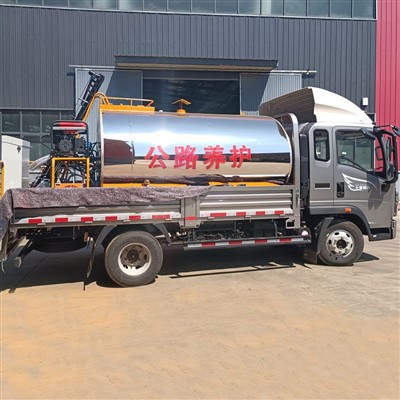
Hey there! I'm a supplier of asphalt distributors, and I'm super excited to take you behind the scenes and show you how the heating system of an asphalt distributor works. It's a pretty cool process, and understanding it can help you make the most of your asphalt distributor. So, let's dive in!
The Basics of an Asphalt Distributor
Before we get into the heating system, let's quickly go over what an asphalt distributor is. An asphalt distributor is a specialized vehicle used in road construction and maintenance. Its main job is to evenly distribute asphalt on the road surface. There are different types of asphalt distributors, like the Asphalt Distributor Truck, Intelligent Asphalt Distributor, and Automatic Asphalt Distributor. Each type has its own features and benefits, but they all share the common goal of getting that asphalt where it needs to be.
Why Heating is Crucial
Asphalt is a thick, viscous material at room temperature. If you tried to distribute it without heating, it would be like trying to pour molasses in the winter – it just wouldn't flow properly. Heating the asphalt reduces its viscosity, making it easier to pump, spray, and spread evenly on the road surface. This ensures a smooth and consistent application, which is essential for a high - quality road construction or maintenance job.
Components of the Heating System
The heating system of an asphalt distributor typically consists of several key components:


Burner
The burner is the heart of the heating system. It's responsible for generating the heat needed to warm up the asphalt. Most burners use diesel fuel, which is ignited to produce a high - temperature flame. The burner is carefully controlled to maintain a consistent heat output. This is important because too much heat can damage the asphalt, while too little heat won't make it fluid enough.
Heat Exchanger
The heat exchanger is where the magic happens. It transfers the heat from the burner to the asphalt. The burner heats up a fluid, usually a thermal oil, which then circulates through the heat exchanger. As the hot thermal oil passes through the heat exchanger, it warms up the walls of the asphalt tank. The heat is then transferred from the tank walls to the asphalt inside. This indirect heating method helps to prevent overheating and ensures a more even distribution of heat throughout the asphalt.
Temperature Sensors
Temperature sensors are placed in strategic locations within the asphalt tank and the heating system. These sensors constantly monitor the temperature of the asphalt and the thermal oil. They send signals to the control panel, which can then adjust the burner's output to maintain the desired temperature. For example, if the temperature of the asphalt starts to drop, the control panel will increase the burner's heat output to bring it back up.
Insulation
Insulation is an often - overlooked but important part of the heating system. It helps to keep the heat inside the asphalt tank and the heating system. Good insulation reduces heat loss, which means the burner doesn't have to work as hard to maintain the desired temperature. This saves fuel and reduces operating costs in the long run.
How the Heating Process Works
Let's walk through the heating process step by step:
Startup
When you start up the asphalt distributor, the first thing you do is turn on the burner. The burner ignites the diesel fuel, and a flame is produced. The heat from the flame starts to warm up the thermal oil in the burner chamber.
Thermal Oil Circulation
As the thermal oil heats up, a pump is activated to circulate the hot oil through the heat exchanger. The pump ensures that the hot oil continuously flows through the heat exchanger, transferring heat to the asphalt tank walls.
Asphalt Heating
Once the heat is transferred to the tank walls, the asphalt inside the tank begins to heat up. The temperature sensors monitor the asphalt temperature and send signals to the control panel. The control panel adjusts the burner's output to keep the asphalt at the optimal temperature, usually around 130 - 160 degrees Celsius (266 - 320 degrees Fahrenheit).
Maintaining Temperature
During the distribution process, the heating system continues to work to maintain the asphalt's temperature. As the asphalt is pumped out of the tank and sprayed onto the road, new, cooler asphalt is added to the tank. The heating system quickly warms up the new asphalt to keep the overall temperature consistent.
Benefits of a Well - Functioning Heating System
A properly functioning heating system offers several benefits:
Quality of Application
By keeping the asphalt at the right temperature, the heating system ensures a smooth and even distribution of asphalt on the road surface. This results in a better - quality road with fewer bumps and cracks.
Efficiency
A well - designed heating system uses fuel efficiently. The insulation reduces heat loss, and the temperature control system ensures that the burner only uses as much fuel as necessary. This saves money on fuel costs and reduces the environmental impact.
Durability
Heating the asphalt to the correct temperature helps to preserve its properties. Overheating can cause the asphalt to break down and lose its adhesion, while underheating can lead to poor application. A good heating system helps to extend the lifespan of the asphalt and the road.
Maintenance of the Heating System
To keep the heating system working properly, regular maintenance is essential. Here are some maintenance tips:
Clean the Burner
The burner should be cleaned regularly to remove any carbon deposits or debris. This ensures efficient combustion and reduces the risk of breakdowns.
Check the Thermal Oil
The thermal oil should be checked regularly for its level and quality. Over time, the thermal oil can break down and lose its heat - transfer properties. If necessary, the thermal oil should be replaced.
Inspect the Temperature Sensors
The temperature sensors should be inspected and calibrated regularly. Faulty sensors can lead to inaccurate temperature readings, which can cause the asphalt to be overheated or underheated.
Conclusion
So, there you have it – that's how the heating system of an asphalt distributor works. It's a complex but fascinating process that plays a crucial role in road construction and maintenance. Whether you're using an Asphalt Distributor Truck, an Intelligent Asphalt Distributor, or an Automatic Asphalt Distributor, a well - functioning heating system is essential for a successful job.
If you're in the market for an asphalt distributor or need to upgrade your existing one, I'd love to have a chat with you. We offer a wide range of high - quality asphalt distributors with efficient heating systems. Contact us to discuss your specific needs and let's work together to get the best solution for your road construction or maintenance projects.
References
- "Principles of Asphalt Pavement Engineering" by W. Richard Hudson
- "Asphalt Technology,Construction,and Maintenance" by Tom Scullion