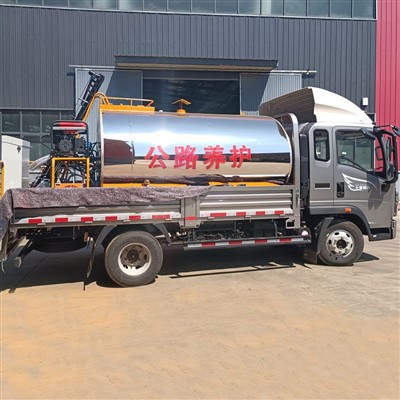
As a leading supplier of Bitumen Emulsion Plants, I understand the critical role that heating systems play in the efficient operation of these facilities. Bitumen emulsion is a vital material used in various applications, including road construction, waterproofing, and soil stabilization. To produce high-quality bitumen emulsion, it is essential to maintain the proper temperature of the bitumen and other components throughout the production process. In this blog post, I will discuss the different heating systems commonly used in a Bitumen Emulsion Plant and their advantages and disadvantages.
Direct Heating Systems
Direct heating systems are one of the most straightforward and commonly used methods for heating bitumen in an emulsion plant. In this system, the bitumen is heated directly by a heat source, such as a burner or an electric heater. The heat is transferred to the bitumen through conduction, convection, or radiation.
Burner Heating
Burner heating is a popular choice for direct heating systems. It involves the use of a burner to heat a heat transfer fluid, such as thermal oil or steam. The heated fluid is then circulated through a heat exchanger, where it transfers its heat to the bitumen. Burner heating systems can use various fuels, including natural gas, oil, or propane.
Advantages of burner heating systems include:
- High heating efficiency: Burner heating systems can achieve high temperatures quickly, making them suitable for large-scale production.
- Flexibility: They can use different types of fuels, allowing for greater flexibility in fuel selection based on availability and cost.
- Precise temperature control: Modern burner systems are equipped with advanced control systems that can accurately regulate the temperature of the bitumen.
Disadvantages of burner heating systems include:
- High operating costs: The cost of fuel can be significant, especially in areas where energy prices are high.
- Environmental impact: Burner heating systems produce emissions, which can have a negative impact on the environment if not properly controlled.
- Maintenance requirements: These systems require regular maintenance to ensure safe and efficient operation.
Electric Heating
Electric heating systems use electric resistance heaters to heat the bitumen directly. The heaters are typically installed in the bitumen storage tanks or pipelines. Electric heating systems are clean, efficient, and easy to control.
Advantages of electric heating systems include:
- Clean and environmentally friendly: Electric heating systems do not produce emissions, making them a more sustainable option.
- Precise temperature control: They can provide accurate temperature control, ensuring consistent product quality.
- Low maintenance: Electric heating systems have fewer moving parts, reducing the need for maintenance.
Disadvantages of electric heating systems include:
- High operating costs: Electricity can be expensive, especially in areas with high energy prices.
- Limited heating capacity: Electric heating systems may have limited heating capacity, making them less suitable for large-scale production.
Indirect Heating Systems
Indirect heating systems use a heat transfer medium to transfer heat from the heat source to the bitumen. The heat transfer medium can be a liquid, such as thermal oil or water, or a gas, such as steam.
Thermal Oil Heating
Thermal oil heating systems use a thermal oil as the heat transfer medium. The thermal oil is heated in a heater and then circulated through a heat exchanger, where it transfers its heat to the bitumen. Thermal oil heating systems are widely used in bitumen emulsion plants due to their high heating efficiency and ability to maintain a stable temperature.
Advantages of thermal oil heating systems include:
- High heating efficiency: Thermal oil can transfer heat effectively, resulting in lower energy consumption.
- Stable temperature control: They can maintain a constant temperature, ensuring consistent product quality.
- Wide temperature range: Thermal oil heating systems can operate at high temperatures, making them suitable for various applications.
Disadvantages of thermal oil heating systems include:
- High initial investment: The cost of installing a thermal oil heating system can be significant.
- Maintenance requirements: These systems require regular maintenance, including oil changes and filter replacements.
- Safety concerns: Thermal oil is flammable, so proper safety measures must be taken to prevent fires and explosions.
Steam Heating
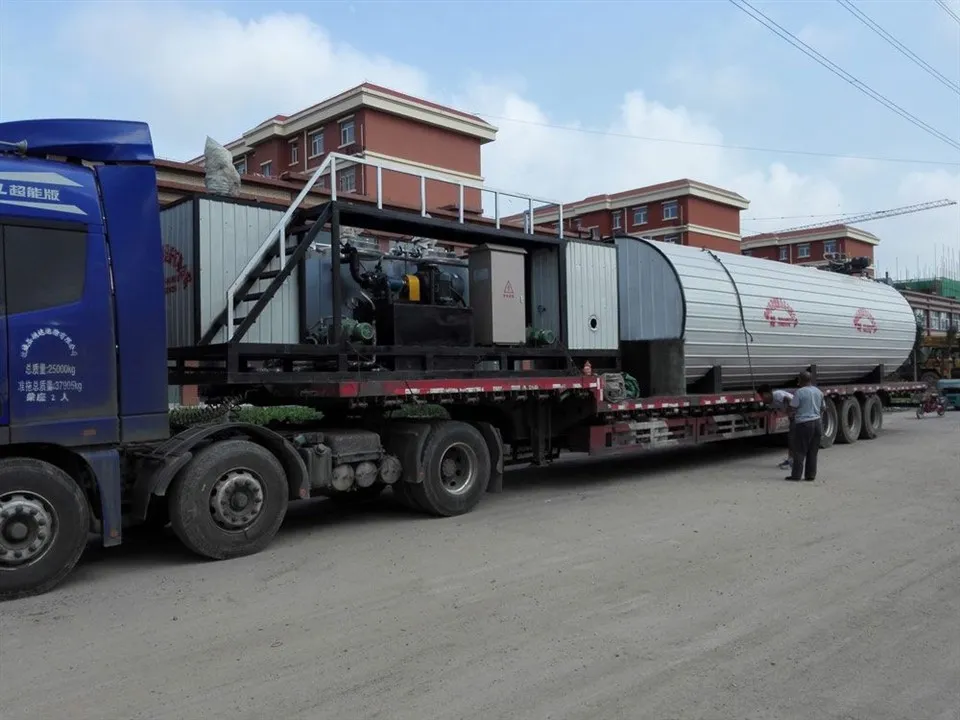
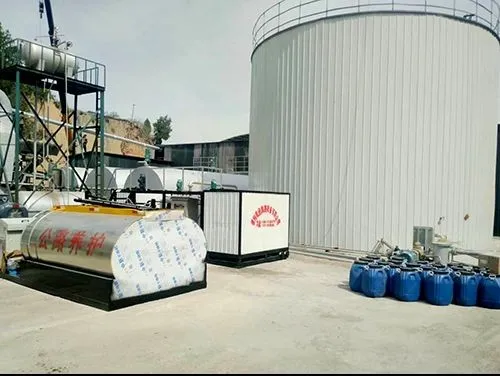
Steam heating systems use steam as the heat transfer medium. The steam is generated in a boiler and then circulated through a heat exchanger, where it transfers its heat to the bitumen. Steam heating systems are commonly used in bitumen emulsion plants due to their simplicity and reliability.
Advantages of steam heating systems include:
- Simple and reliable: Steam heating systems are relatively simple to operate and maintain.
- High heat transfer rate: Steam can transfer heat quickly, resulting in fast heating times.
- Wide availability: Steam is a widely available heat source, making it easy to obtain.
Disadvantages of steam heating systems include:
- High operating costs: The cost of generating steam can be significant, especially if the boiler is not energy-efficient.
- Corrosion risk: Steam can cause corrosion in the pipes and equipment if not properly treated.
- Limited temperature control: Steam heating systems may have limited temperature control, which can affect product quality.
Hybrid Heating Systems
Hybrid heating systems combine two or more heating methods to take advantage of the benefits of each system. For example, a hybrid heating system may use a burner to preheat the bitumen and then an electric heater to maintain the desired temperature.
Advantages of hybrid heating systems include:
- Increased efficiency: By combining different heating methods, hybrid heating systems can achieve higher overall efficiency.
- Flexibility: They can adapt to different production requirements and operating conditions.
- Cost savings: Hybrid heating systems can reduce operating costs by using the most cost-effective heating method for each stage of the process.
Disadvantages of hybrid heating systems include:
- Complexity: Hybrid heating systems are more complex than single heating systems, requiring more advanced control systems and maintenance.
- Higher initial investment: The cost of installing a hybrid heating system can be higher than that of a single heating system.
Choosing the Right Heating System
When choosing a heating system for a Bitumen Emulsion Plant, several factors need to be considered, including:
- Production capacity: The heating system should be able to meet the production requirements of the plant.
- Energy efficiency: A more energy-efficient heating system can reduce operating costs and environmental impact.
- Temperature control: Precise temperature control is essential for producing high-quality bitumen emulsion.
- Fuel availability and cost: The cost and availability of fuel should be considered when selecting a heating system.
- Environmental regulations: The heating system should comply with local environmental regulations.
- Maintenance requirements: Regular maintenance is necessary to ensure the safe and efficient operation of the heating system.
As a supplier of Bitumen Emulsion Plants, we offer a range of heating systems to meet the diverse needs of our customers. Our Modified Asphalt Emulsification Equipment, Fully Automatic Emulsified Asphalt Equipment, and Emulsion Bitumen Equipment are designed to provide efficient and reliable heating solutions for bitumen emulsion production.
If you are interested in learning more about our heating systems or other Bitumen Emulsion Plant equipment, please contact us for a consultation. Our team of experts will be happy to assist you in choosing the right heating system for your specific needs and help you optimize your production process.
References
- "Bitumen Emulsion Technology and Applications" by A. F. Partl, E. M. Feist, and C. J. van der Walt.
- "Heating Systems for Industrial Applications" by P. K. Nag.
- "Energy Efficiency in Bitumen Production" by the International Energy Agency.