Hey there! As a supplier of bitumen melting machines, I've seen firsthand how crucial the material of the melting tank is for bitumen quality. Let's dig into how different materials can make or break the bitumen we end up with.
First off, let's talk about why the melting tank material matters so much. Bitumen is heated in the melting tank to transform it from a solid or semi - solid state to a liquid state for various applications like road construction. The material of the tank comes into direct contact with the bitumen during this heating process. Any interaction between the tank material and the bitumen can have a significant impact on the bitumen's chemical and physical properties.
One of the most common materials used for melting tanks is steel. Steel is popular because it's strong, durable, and can withstand high temperatures. But here's the thing: steel can react with bitumen under certain conditions. If the steel isn't properly coated or treated, it can cause oxidation of the bitumen. Oxidation leads to a change in the bitumen's viscosity. The bitumen becomes stiffer, and its ductility decreases. This is a big deal because in road construction, we need bitumen with the right viscosity and ductility to ensure a long - lasting and flexible road surface.
On the flip side, a well - coated steel tank can be a great option. A high - quality coating acts as a barrier between the steel and the bitumen, preventing any unwanted chemical reactions. For example, epoxy coatings are often used. They are resistant to corrosion and can keep the bitumen's quality intact. But over time, the coating can wear off, especially if the tank is used frequently. So, regular maintenance and inspection are a must to make sure the coating is still in good condition.
Another material option is stainless steel. Stainless steel has a major advantage over regular steel when it comes to bitumen quality. It has a high resistance to corrosion and oxidation. This means that the bitumen in a stainless - steel melting tank is less likely to undergo chemical changes during the melting process. The bitumen retains its original properties, such as its softening point, penetration value, and adhesion. These properties are essential for the performance of bitumen in different applications.
However, stainless steel comes at a higher cost. The initial investment for a stainless - steel melting tank is greater compared to a regular steel tank. But if you're looking for a long - term solution that ensures consistent bitumen quality, it might be worth the extra expense. It also requires less maintenance in the long run, which can save you money on upkeep.
Aluminum is also a material that has been considered for melting tanks. Aluminum is lightweight and has good heat conductivity. This means that it can heat up the bitumen more quickly, which can be a time - saving advantage. But aluminum has its drawbacks. It is relatively soft compared to steel and stainless steel, and it can react with bitumen under high - temperature conditions. The reaction can lead to the formation of impurities in the bitumen, which can affect its quality. So, while aluminum tanks can be cost - effective and efficient in terms of heating, they may not be the best choice for maintaining high - quality bitumen.
Now, let's talk about the impact of the tank material on bitumen contamination. If the tank material corrodes or reacts with the bitumen, it can introduce contaminants into the bitumen. These contaminants can be in the form of metal particles or chemical by - products. Contaminated bitumen can cause problems in the final application. For example, in asphalt mixtures, contaminants can reduce the bonding strength between the bitumen and the aggregates, leading to premature pavement failure.
To avoid contamination, it's important to choose the right tank material and take proper care of it. Regular cleaning of the tank is essential to remove any build - up of bitumen residues or contaminants. Using a tank with a smooth interior surface can also help prevent the accumulation of bitumen and reduce the risk of contamination.
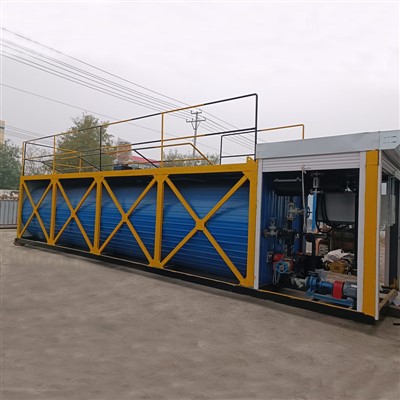
When it comes to the market, we offer a range of bitumen melting machines with different tank materials to suit different needs. If you're looking for an affordable option with good durability, our Bitumen Melting Plant with a well - coated steel tank might be the right choice for you. It can handle large - scale bitumen melting operations and still maintain decent bitumen quality with proper maintenance.


For those who are more concerned about consistent high - quality bitumen and are willing to invest more, our Asphalt Melting Plant with a stainless - steel tank is a top - notch option. It provides the best protection for the bitumen during the melting process, ensuring that you get the highest - quality bitumen for your projects.
And if you need a more compact and efficient solution, our Asphalt Melting Machine is a great pick. You can choose the tank material according to your budget and quality requirements.
In conclusion, the material of the melting tank in a bitumen melting machine plays a vital role in determining bitumen quality. Whether it's steel, stainless steel, or aluminum, each material has its own pros and cons. As a bitumen melting machine supplier, we understand the importance of providing the right equipment to meet your specific needs. If you're in the market for a bitumen melting machine and want to ensure the best bitumen quality for your projects, don't hesitate to reach out to us. We're here to help you make the right choice and provide you with the support you need. Let's work together to get the highest - quality bitumen for your applications!
References:
- "Bitumen Science and Technology" by J. A. Petersen
- "Asphalt Pavement Analysis and Design" by Huang, Yu - Hwa