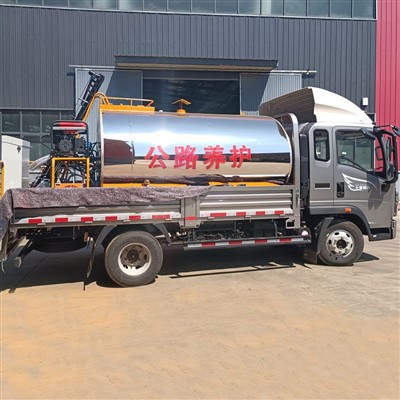
Hey there! As a supplier of Asphalt Melting Equipment, I've been in the thick of this industry for quite a while, and I'm super stoked to dive into the topic of how intelligent the control system of our asphalt melting gear really is.
First off, let's get a bit of background. Asphalt, or bitumen, is a crucial material in the construction world, especially for road building. Our Asphalt Melting Equipment plays a vital role in getting this sticky substance from a solid state to a workable liquid. And the control system? Well, it's like the brain of the whole operation.
One of the key aspects of an intelligent control system is its ability to monitor and adjust temperature. Asphalt has a specific melting point, and if the temperature is too low, it won't melt properly. On the other hand, if it's too high, it can break down the asphalt's chemical structure, affecting its quality. Our control system uses advanced sensors to constantly measure the temperature inside the melting chamber. These sensors are super accurate, giving us real - time data that's sent straight to the control panel.
The control panel is where the magic happens. It's like a mini - command center. Operators can set the desired temperature, and the system will automatically adjust the heating elements to maintain that temperature. It's not just a simple on - off switch, though. The control system uses algorithms to predict how the temperature will change based on factors like the amount of asphalt in the chamber, the outside temperature, and the heat transfer rate. This means it can make tiny adjustments in real - time to keep the temperature stable, ensuring that the asphalt melts evenly and consistently.
Another cool feature of our control system is its ability to manage the flow of asphalt. Once the asphalt is melted, it needs to be transferred to the next stage of the process, like a storage tank or a mixing unit. The control system regulates the flow rate, making sure that the asphalt moves at the right speed. If the flow is too fast, it can cause spills or uneven distribution. If it's too slow, it can lead to blockages.


To manage the flow, the system uses flow meters and valves. The flow meters measure how much asphalt is moving through the pipes, and the valves can be adjusted to increase or decrease the flow. The control system takes into account the viscosity of the asphalt, which can change depending on the temperature. For example, warmer asphalt is less viscous and flows more easily. The system adjusts the valve settings accordingly, so that the flow rate remains constant regardless of the asphalt's viscosity.
Safety is also a top priority, and our control system has built - in safety features. There are emergency shut - off buttons that can be pressed in case of any problems. The system also monitors for things like overheating, pressure build - up, and leaks. If it detects any of these issues, it will automatically shut down the equipment and send an alert to the operator. This helps prevent accidents and damage to the equipment.
In addition to these basic functions, our control system can be integrated with other parts of the asphalt production process. For instance, it can communicate with the Bitumen Melting Equipment in a Bitumen Melting Plant. This allows for a more streamlined and efficient production process. The control system can share data about the asphalt's temperature, flow rate, and quality with other equipment, so that everything works together seamlessly.
We also offer remote monitoring and control capabilities. With an internet connection, operators can access the control system from anywhere in the world. They can check the status of the equipment, adjust settings, and receive alerts on their smartphones or tablets. This is especially useful for large - scale operations or when the equipment is located in remote areas.
The intelligence of our control system also extends to its self - diagnostic capabilities. It can detect when something is starting to go wrong before it becomes a major problem. For example, if a sensor starts to give inaccurate readings or a valve is not opening or closing properly, the system will flag the issue and provide detailed information about what might be causing it. This allows maintenance teams to address the problem quickly, reducing downtime and saving money.
Now, let's talk about how this intelligent control system benefits our customers. First of all, it improves the quality of the asphalt. By ensuring that the asphalt melts evenly and is transferred at the right rate, the final product is more consistent. This means that roads and other asphalt - based structures will be more durable and long - lasting.
Secondly, it increases efficiency. The automated features of the control system reduce the need for manual intervention. Operators can focus on other important tasks, like quality control and overall production management. The system also helps to reduce energy consumption by optimizing the heating and flow processes. It only uses as much energy as it needs to achieve the desired results, which is great for the environment and for reducing operating costs.
Finally, it enhances safety. The built - in safety features and real - time monitoring mean that potential hazards can be detected and addressed quickly. This protects the operators and the equipment, reducing the risk of accidents and costly repairs.
If you're in the market for Asphalt Melting Equipment with a top - notch intelligent control system, we'd love to hear from you. Whether you're building roads, parking lots, or other asphalt - based projects, our equipment can help you achieve better results. Contact us to discuss your specific needs and to learn more about how our intelligent control system can revolutionize your asphalt melting process.
References:
- Industry research on asphalt melting technology
- Internal product development reports
- User feedback and case studies