Controlling the temperature in a rubber asphalt plant is a critical aspect of producing high - quality rubber asphalt. As a seasoned supplier of rubber asphalt plants, I've witnessed firsthand the impact of proper temperature management on the final product. In this blog, I'll share some insights and strategies on how to effectively control the temperature in a rubber asphalt plant.
Understanding the Importance of Temperature in Rubber Asphalt Production
The temperature in a rubber asphalt plant plays a pivotal role in the entire production process. Rubber asphalt is made by blending asphalt with rubber particles, typically crumb rubber from recycled tires. The temperature affects the viscosity of the asphalt, the reactivity between the asphalt and the rubber, and the overall quality of the final product.
If the temperature is too low, the asphalt will be too viscous, making it difficult to mix with the rubber particles evenly. This can result in poor dispersion of the rubber in the asphalt, leading to inconsistent product quality. On the other hand, if the temperature is too high, the rubber may degrade, releasing harmful gases and reducing the performance of the rubber asphalt.
Key Temperature Zones in a Rubber Asphalt Plant
A rubber asphalt plant consists of several key components, each with its own temperature requirements. Let's take a look at these temperature - critical areas:


1. Asphalt Storage Tanks
The asphalt is usually stored in large tanks before it is used in the production process. Maintaining the right temperature in these tanks is crucial to ensure that the asphalt remains in a fluid state and is ready for blending. The optimal storage temperature for asphalt typically ranges from 130°C to 150°C. This temperature range helps to keep the asphalt at a suitable viscosity for pumping and mixing.
2. Rubber Storage and Feeding System
The rubber particles also need to be stored at an appropriate temperature. While the rubber itself doesn't require a specific high - temperature storage environment like asphalt, it should be protected from extreme cold or heat to prevent any changes in its physical properties. When feeding the rubber into the blending system, it's important to ensure that the rubber is at a temperature that allows for smooth feeding and proper mixing with the asphalt.
3. Blending Chamber
The blending chamber is where the magic happens - where the asphalt and rubber are mixed together. The temperature in the blending chamber is one of the most critical factors in rubber asphalt production. The ideal blending temperature typically ranges from 170°C to 190°C. At this temperature, the asphalt has a lower viscosity, allowing the rubber particles to disperse more easily throughout the asphalt matrix. The heat also promotes the chemical reaction between the asphalt and the rubber, enhancing the performance of the rubber asphalt.
4. Product Storage and Delivery
After the rubber asphalt is produced, it needs to be stored and delivered at the right temperature. The storage tanks for the finished rubber asphalt should be maintained at a temperature similar to the blending temperature to prevent the rubber asphalt from solidifying. During transportation, insulated trucks are often used to keep the temperature stable and ensure that the rubber asphalt arrives at the construction site in a usable state.
Temperature Control Strategies
1. Heating Systems
To maintain the required temperatures in different parts of the rubber asphalt plant, efficient heating systems are essential. Most rubber asphalt plants use either direct - fired heaters or indirect - fired heaters.
Direct - fired heaters burn fuel directly in contact with the asphalt or the heating medium, providing a rapid and efficient way to heat the asphalt. However, they need to be carefully controlled to avoid over - heating and potential damage to the asphalt. Indirect - fired heaters, on the other hand, use a heat transfer medium (such as hot oil) to transfer heat to the asphalt. This method provides a more uniform and controlled heating process, reducing the risk of over - heating.
2. Insulation
Proper insulation is another important strategy for temperature control. Insulating the storage tanks, pipelines, and blending chambers helps to reduce heat loss, ensuring that the temperature remains stable. High - quality insulation materials, such as fiberglass or mineral wool, can significantly improve the energy efficiency of the plant and reduce the cost of heating.
3. Temperature Monitoring and Control Systems
Installing accurate temperature monitoring and control systems is crucial for maintaining the right temperatures in a rubber asphalt plant. These systems typically consist of temperature sensors placed at key locations throughout the plant, such as in the storage tanks, blending chamber, and pipelines. The sensors continuously measure the temperature and send the data to a control panel. Operators can then adjust the heating systems based on the real - time temperature readings to ensure that the temperatures are within the desired range.
4. Process Optimization
Optimizing the production process can also help with temperature control. For example, adjusting the feed rates of the asphalt and rubber can affect the heat generated during the blending process. By carefully controlling the feed rates, operators can ensure that the temperature in the blending chamber remains stable. Additionally, reducing the processing time can minimize heat loss and improve the overall efficiency of the plant.
The Role of Equipment Quality
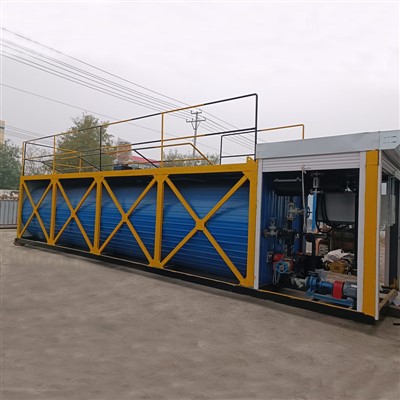
As a supplier of rubber asphalt plants, I understand the importance of using high - quality equipment in temperature control. Our Mobile Rubber Asphalt Plant is designed with advanced heating and insulation systems to ensure precise temperature control. The Asphalt Rubber Blending Plant we offer is equipped with state - of - the - art temperature sensors and control panels, allowing operators to monitor and adjust the temperature with ease. And our Rubber Modified Asphalt Equipment is engineered to provide uniform heating and mixing, ensuring that the rubber asphalt is produced at the optimal temperature.
Conclusion
Controlling the temperature in a rubber asphalt plant is a complex but essential task. By understanding the key temperature zones, implementing effective temperature control strategies, and using high - quality equipment, you can produce high - quality rubber asphalt that meets the strictest industry standards.
If you're in the market for a reliable rubber asphalt plant or need advice on temperature control in your existing plant, don't hesitate to contact us. We're here to help you optimize your production process and achieve the best results.
References
- "Asphalt and Asphalt - Rubber Pavements: A Literature Review" by the Federal Highway Administration.
- "Rubber - Modified Asphalt Technology and Applications" by the Rubber Pavements Association.
- "Temperature - Dependent Properties of Rubber - Modified Asphalt" in the Journal of Materials in Civil Engineering.