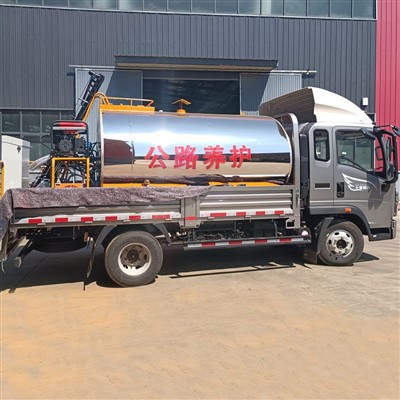
Operating an Asphalt Distributor Tank requires a comprehensive understanding of the equipment, safety protocols, and industry best practices. As a leading supplier of Asphalt Distributor Tanks, we recognize the importance of proper training to ensure efficient and safe operations. In this blog post, we will delve into the essential training requirements for operating an Asphalt Distributor Tank, providing valuable insights for operators and businesses in the asphalt industry.
Understanding the Asphalt Distributor Tank
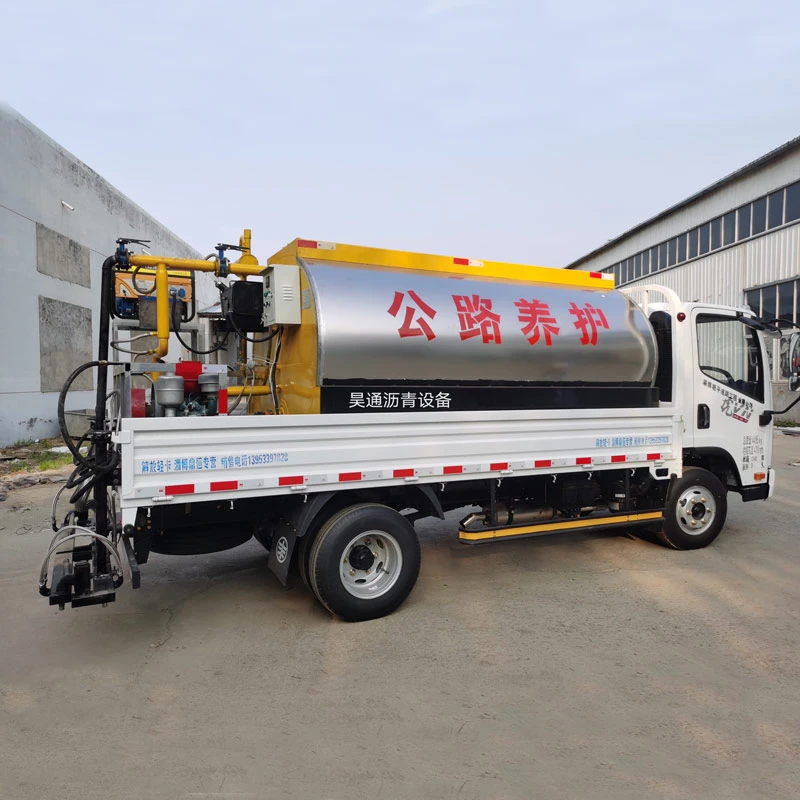
Before delving into the training requirements, it is crucial to have a solid understanding of the Asphalt Distributor Tank itself. An Asphalt Distributor Tank is a specialized vehicle designed to store and distribute asphalt materials for road construction and maintenance projects. These tanks come in various sizes and configurations, including Asphalt Distributor Truck, Standard Asphalt Distributor, and Intelligent Asphalt Distributor, each with its own unique features and capabilities.
Equipment Familiarization
One of the primary training requirements for operating an Asphalt Distributor Tank is equipment familiarization. Operators must be thoroughly trained on the various components of the tank, including the storage tank, heating system, pumping system, spraying system, and control panel. They should understand how each component works, how to operate it safely, and how to perform basic maintenance tasks.
During the training process, operators should be provided with detailed equipment manuals and diagrams to help them understand the layout and function of the Asphalt Distributor Tank. They should also be given hands-on training opportunities to practice operating the equipment under the supervision of an experienced instructor. This hands-on training will allow operators to gain confidence in their abilities and become familiar with the equipment's controls and functions.
Safety Training
Safety is of utmost importance when operating an Asphalt Distributor Tank. Operators must be trained on all relevant safety protocols and procedures to prevent accidents and injuries. This includes training on personal protective equipment (PPE), such as safety glasses, gloves, and respirators, as well as training on how to handle and store asphalt materials safely.
Operators should also be trained on the proper use of fire extinguishers and other safety equipment in case of an emergency. They should understand the potential hazards associated with operating an Asphalt Distributor Tank, such as the risk of fire, explosion, and exposure to harmful chemicals, and know how to take appropriate precautions to minimize these risks.
In addition to safety training, operators should be trained on emergency response procedures. This includes training on how to respond to spills, leaks, and other emergencies, as well as training on how to evacuate the area safely in case of a fire or other serious incident.
Asphalt Material Handling
Another important training requirement for operating an Asphalt Distributor Tank is asphalt material handling. Operators must be trained on how to properly load, transport, and unload asphalt materials to ensure the quality and integrity of the asphalt. This includes training on how to measure and control the temperature of the asphalt, how to prevent contamination, and how to ensure proper mixing and distribution.
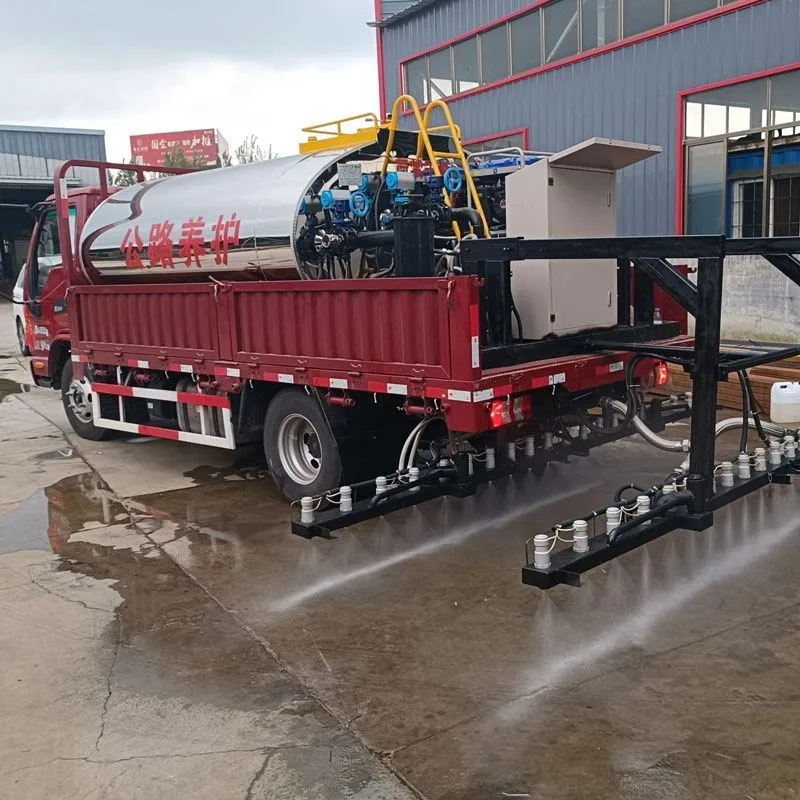
Operators should be trained on the different types of asphalt materials and their properties, as well as the appropriate handling and storage procedures for each type. They should also be trained on how to use the equipment's heating and pumping systems to maintain the proper temperature and consistency of the asphalt during transport and distribution.
Spraying Techniques
The ability to apply asphalt materials evenly and accurately is essential for the success of any road construction or maintenance project. Operators must be trained on the proper spraying techniques to ensure that the asphalt is applied at the correct rate and thickness. This includes training on how to adjust the spraying system's settings, such as the spray width, pressure, and angle, to achieve the desired results.
Operators should also be trained on how to use the equipment's sensors and controls to monitor the spraying process and make adjustments as needed. They should understand the importance of maintaining a consistent spraying pattern and avoiding overspray or underspray, which can affect the quality and durability of the asphalt surface.
Maintenance and Troubleshooting
Regular maintenance and troubleshooting are essential for keeping an Asphalt Distributor Tank in good working condition. Operators must be trained on how to perform basic maintenance tasks, such as checking the fluid levels, inspecting the hoses and connections, and cleaning the equipment. They should also be trained on how to identify and troubleshoot common problems, such as leaks, clogs, and electrical issues.
In addition to basic maintenance tasks, operators should be trained on how to perform more advanced maintenance procedures, such as replacing worn parts and servicing the heating and pumping systems. They should understand the importance of following the manufacturer's recommended maintenance schedule and using the correct tools and equipment for the job.
Regulatory Compliance
Operating an Asphalt Distributor Tank requires compliance with a variety of federal, state, and local regulations. Operators must be trained on all relevant regulations and requirements, including environmental regulations, safety regulations, and transportation regulations. They should understand the importance of complying with these regulations and know how to ensure that the equipment and operations are in full compliance.
During the training process, operators should be provided with information on the specific regulations that apply to their area and the Asphalt Distributor Tank they are operating. They should also be trained on how to maintain accurate records and documentation to demonstrate compliance with these regulations.
Continuing Education
The asphalt industry is constantly evolving, and new technologies and techniques are being developed all the time. To stay up-to-date with the latest trends and best practices, operators should participate in continuing education programs. These programs can provide operators with the opportunity to learn about new equipment, materials, and techniques, as well as to network with other professionals in the industry.
As a supplier of Asphalt Distributor Tanks, we offer a variety of training programs and resources to help operators and businesses stay informed and up-to-date. Our training programs are designed to meet the specific needs of our customers and can be customized to include topics such as equipment operation, safety training, asphalt material handling, and regulatory compliance.
Conclusion
Operating an Asphalt Distributor Tank requires a combination of technical knowledge, practical skills, and safety awareness. By providing comprehensive training on equipment familiarization, safety, asphalt material handling, spraying techniques, maintenance and troubleshooting, regulatory compliance, and continuing education, operators can ensure the efficient and safe operation of the equipment and the success of their road construction and maintenance projects.
As a leading supplier of Asphalt Distributor Tanks, we are committed to providing our customers with the highest quality equipment and training services. If you are interested in learning more about our Asphalt Distributor Tanks or our training programs, please contact us today to schedule a consultation. We look forward to working with you to meet your asphalt distribution needs.
References
- American Society for Testing and Materials (ASTM). Standard Specifications for Asphalt Materials.
- Occupational Safety and Health Administration (OSHA). Safety and Health Standards for the Asphalt Industry.
- Federal Highway Administration (FHWA). Guidelines for the Construction and Maintenance of Asphalt Pavements.