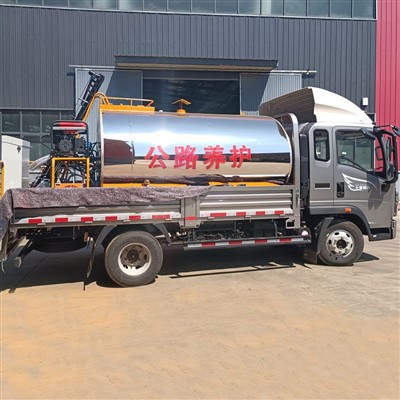
In the dynamic landscape of the construction industry, bitumen plays a pivotal role, especially in road construction and waterproofing applications. As a leading supplier of Bitumen Melting Plants, I understand the critical importance of ensuring that our equipment meets international standards. This not only guarantees the quality and safety of the bitumen processing but also enhances the overall efficiency of construction projects. In this blog, I will share some key strategies on how to ensure that a bitumen melting plant meets international standards.
Understanding International Standards
Before delving into the steps to meet international standards, it is essential to have a clear understanding of what these standards entail. International standards for bitumen melting plants are designed to ensure the safety of operators, the quality of the melted bitumen, and the environmental friendliness of the equipment. These standards cover various aspects, including design, manufacturing, installation, operation, and maintenance.
One of the most widely recognized international standards for industrial equipment is the ISO (International Organization for Standardization). ISO standards provide a framework for quality management, environmental management, and occupational health and safety. For bitumen melting plants, ISO 9001 for quality management, ISO 14001 for environmental management, and ISO 45001 for occupational health and safety are particularly relevant.
In addition to ISO standards, there are also regional and national standards that may apply depending on the location where the bitumen melting plant will be used. For example, in the European Union, the Machinery Directive and the ATEX Directive set requirements for the safety and explosion protection of industrial machinery, including bitumen melting plants.
Design and Manufacturing
The design and manufacturing process of a bitumen melting plant is the foundation for meeting international standards. Here are some key considerations:
Material Selection
The materials used in the construction of the bitumen melting plant must be of high quality and suitable for the intended application. For example, the tanks and pipes that come into contact with the bitumen should be made of corrosion-resistant materials such as stainless steel or carbon steel with appropriate coatings. This ensures the longevity of the equipment and prevents contamination of the bitumen.
Structural Integrity
The design of the bitumen melting plant should ensure its structural integrity under various operating conditions. This includes considering factors such as the weight of the equipment, the pressure and temperature inside the tanks, and the forces exerted during transportation and installation. Adequate reinforcement and support structures should be incorporated to prevent deformation or failure of the plant.
Safety Features
Safety is a top priority in the design of bitumen melting plants. The equipment should be equipped with various safety features, such as pressure relief valves, temperature sensors, and emergency stop buttons. These features help to prevent accidents and protect the operators and the environment. For example, pressure relief valves can prevent overpressure in the tanks, while temperature sensors can monitor the temperature of the bitumen and trigger an alarm if it exceeds the safe limit.
Energy Efficiency
In today's world, energy efficiency is an important consideration for industrial equipment. A bitumen melting plant that is energy-efficient not only reduces operating costs but also has a lower environmental impact. When designing the plant, energy-saving technologies such as insulation, heat recovery systems, and efficient burners should be incorporated. For example, insulation can reduce heat loss from the tanks, while heat recovery systems can capture and reuse the waste heat generated during the melting process.
Installation and Commissioning
Once the bitumen melting plant is manufactured, proper installation and commissioning are crucial to ensure that it meets international standards. Here are some key steps:
Site Preparation
The site where the bitumen melting plant will be installed should be carefully prepared. This includes ensuring a stable foundation, proper drainage, and adequate space for the equipment and its associated components. The site should also comply with local regulations and safety requirements.
Installation by Qualified Personnel
The installation of the bitumen melting plant should be carried out by qualified personnel who have the necessary skills and experience. They should follow the manufacturer's installation instructions and ensure that all components are installed correctly and securely. During the installation process, quality control checks should be conducted to verify the compliance of the installation with international standards.
Commissioning and Testing
After the installation is complete, the bitumen melting plant should undergo a comprehensive commissioning and testing process. This includes checking the functionality of all components, testing the safety features, and verifying the performance of the plant under normal operating conditions. The commissioning process should be documented, and any issues or non - conformities should be addressed before the plant is put into operation.
Operation and Maintenance
Proper operation and maintenance are essential for the long - term performance and compliance of a bitumen melting plant with international standards. Here are some key aspects:
Operator Training
Operators of the bitumen melting plant should receive comprehensive training on its operation, safety procedures, and maintenance requirements. The training should cover topics such as start - up and shut - down procedures, monitoring of operating parameters, and emergency response. Well - trained operators are more likely to operate the plant safely and efficiently, reducing the risk of accidents and ensuring the quality of the melted bitumen.
Regular Maintenance
Regular maintenance is necessary to keep the bitumen melting plant in good working condition. This includes tasks such as cleaning the tanks and pipes, inspecting and replacing worn - out components, and lubricating moving parts. A maintenance schedule should be established based on the manufacturer's recommendations and the operating conditions of the plant. Regular maintenance not only extends the lifespan of the equipment but also helps to prevent breakdowns and ensure compliance with international standards.
Monitoring and Documentation
The operation of the bitumen melting plant should be continuously monitored to ensure that it is operating within the specified parameters. This includes monitoring the temperature, pressure, and level of the bitumen, as well as the performance of the burners and other components. All operating data should be recorded and documented for future reference and analysis. This documentation can be used to demonstrate compliance with international standards during audits and inspections.
Quality Assurance and Certification
To provide assurance to customers and regulatory authorities, a bitumen melting plant should undergo a quality assurance process and obtain relevant certifications. Here are some key steps:
In - house Quality Control
As a supplier, we have a rigorous in - house quality control system in place. This includes inspections at various stages of the manufacturing process, from raw material inspection to final product testing. Our quality control team uses advanced testing equipment and techniques to ensure that the bitumen melting plant meets our high - quality standards.
Third - party Certification
In addition to in - house quality control, we also seek third - party certification for our bitumen melting plants. Third - party certification bodies, such as TÜV Rheinland and SGS, conduct independent audits and tests to verify the compliance of the equipment with international standards. Obtaining third - party certification not only demonstrates our commitment to quality and safety but also enhances the credibility of our products in the international market.
Conclusion
Ensuring that a bitumen melting plant meets international standards is a complex but essential task. By focusing on design and manufacturing, installation and commissioning, operation and maintenance, and quality assurance and certification, we can provide our customers with high - quality, safe, and efficient bitumen melting plants.


If you are in the market for a reliable and compliant bitumen melting plant, we invite you to explore our range of products, including the Asphalt Melting Plant, Asphalt Fast Melting Machine, and Bitumen Melting Equipment. We are committed to providing you with the best solutions for your bitumen processing needs. Contact us today to start a procurement discussion and find out how our products can benefit your projects.
References
- ISO 9001:2015 Quality management systems — Requirements
- ISO 14001:2015 Environmental management systems — Requirements with guidance for use
- ISO 45001:2018 Occupational health and safety management systems — Requirements with guidance for use
- Machinery Directive 2006/42/EC
- ATEX Directive 2014/34/EU