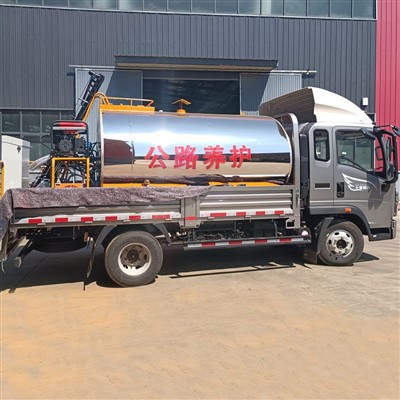
Hey there! I'm a supplier of modified bitumen plants, and today I wanna chat about the energy-saving factors for these plants. Energy efficiency is a big deal in the industry these days, not only because it helps cut down costs but also because it's better for the environment. So, let's dig into what makes a modified bitumen plant energy-efficient.
1. Advanced Heating Systems
One of the major energy consumers in a modified bitumen plant is the heating system. Traditional heating methods can be pretty wasteful, but modern plants are using more advanced technologies. For example, some plants are now equipped with direct-fired heaters that use high - efficiency burners. These burners can precisely control the amount of fuel burned, ensuring that just the right amount of heat is generated to heat the bitumen.
Another option is the use of heat exchangers. Heat exchangers can recover heat from hot exhaust gases and transfer it to the incoming bitumen or other fluids in the plant. This way, we're not just letting that heat go to waste. By reusing the heat, we can significantly reduce the overall energy consumption of the plant. If you're interested in the equipment related to these advanced heating systems, you can check out Modified Asphalt Equipment.
2. Insulation
Good insulation is crucial for energy savings in a modified bitumen plant. When the tanks, pipes, and other components of the plant are well - insulated, less heat is lost to the surrounding environment. This means that the heating system doesn't have to work as hard to maintain the required temperature of the bitumen.
There are different types of insulation materials available, such as fiberglass, mineral wool, and foam insulation. The choice of insulation material depends on factors like the temperature range, cost, and durability. For instance, fiberglass insulation is relatively inexpensive and has good thermal insulation properties. On the other hand, foam insulation can provide better insulation in some cases but might be more expensive. Properly insulating your plant can lead to long - term energy savings and lower operating costs.
3. Efficient Mixing Technology
Mixing is an important process in a modified bitumen plant, as it ensures that the modifiers are evenly distributed in the bitumen. However, inefficient mixing can consume a lot of energy. Modern plants are using more efficient mixing technologies, such as high - shear mixers.
High - shear mixers can break down the modifiers into smaller particles and disperse them more effectively in the bitumen. This not only improves the quality of the modified bitumen but also reduces the mixing time. Less mixing time means less energy consumption. Some high - shear mixers are also designed to be more energy - efficient, with features like variable speed drives that allow the mixer to adjust its speed according to the mixing requirements. You can learn more about the equipment involved in this process at Asphalt Modified Equipment.
4. Automation and Control Systems
Automation and control systems play a vital role in energy savings. These systems can monitor and control various parameters in the plant, such as temperature, pressure, and flow rate. By maintaining these parameters at optimal levels, the plant can operate more efficiently.


For example, an automated control system can adjust the heating system based on the temperature of the bitumen. If the temperature is too high, the system can reduce the heat input, and if it's too low, it can increase the heat. This way, we're not over - heating or under - heating the bitumen, which saves energy. Additionally, automation can also control the mixing process, ensuring that the mixers are only running when necessary.
5. Recycling and Reuse
Recycling and reusing materials in a modified bitumen plant can also contribute to energy savings. For example, some plants are designed to recycle the waste bitumen and modifiers. By reusing these materials, we don't have to heat and process as much new material, which saves energy.
In addition, some plants can recover and reuse the heat from the waste products. For instance, the heat from the hot waste bitumen can be used to pre - heat the incoming bitumen. This kind of recycling and reuse not only saves energy but also reduces waste, making the plant more environmentally friendly.
6. Proper Sizing and Design
The size and design of the modified bitumen plant also matter when it comes to energy savings. A plant that is too large for the production requirements will consume more energy than necessary, as the equipment has to operate at a lower capacity. On the other hand, a plant that is too small may not be able to meet the production demands efficiently, which can also lead to higher energy consumption.
Proper design also includes the layout of the plant. A well - designed plant will have a logical flow of materials, reducing the distance that the bitumen and other materials have to travel. This can save energy by reducing the power required for pumping and transporting the materials. If you're looking for a well - sized and designed Polymer Modified Bitumen Plant, we can offer a range of options to suit your needs.
7. Regular Maintenance
Regular maintenance of the modified bitumen plant is essential for energy efficiency. Over time, the equipment can wear out, and its performance can decline. For example, a dirty burner may not burn fuel efficiently, which can increase energy consumption.
By regularly maintaining the equipment, such as cleaning the burners, checking the insulation, and lubricating the moving parts, we can ensure that the plant is operating at its optimal efficiency. This can prevent energy losses and extend the lifespan of the equipment.
In conclusion, there are many factors that can contribute to energy savings in a modified bitumen plant. From advanced heating systems and insulation to efficient mixing technology and automation, each aspect plays an important role. If you're in the market for a modified bitumen plant or want to upgrade your existing one to make it more energy - efficient, I'd love to have a chat with you. We can discuss your specific needs and how we can help you achieve the best energy savings and performance for your plant. Feel free to reach out for a procurement discussion, and let's work together to build a more energy - efficient and productive modified bitumen plant.
References
- "Energy - Efficient Technologies for Bitumen Production Plants", Journal of Petroleum Engineering, Vol. XX, Issue XX, Year XX
- "Best Practices for Insulation in Industrial Plants", Industrial Insulation Magazine, Year XX