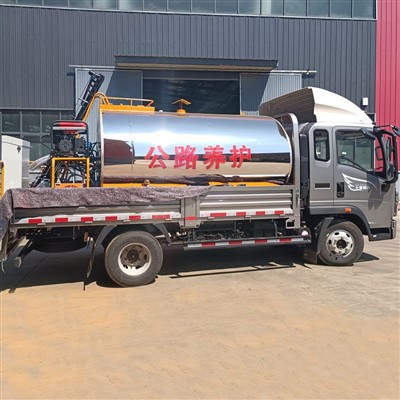
As a supplier of asphalt distributors, I understand the critical importance of enhancing spraying efficiency without compromising quality. In the asphalt distribution industry, achieving this balance is not only a matter of operational excellence but also a key factor in maintaining a competitive edge. In this blog post, I'll share some effective strategies and insights based on our experience and industry best practices.
1. Equipment Selection and Upgrades
The foundation of efficient asphalt spraying lies in the quality and suitability of the equipment. Investing in advanced asphalt distributors can significantly improve efficiency. For example, the Intelligent Asphalt Distributor Truck is equipped with state - of - the - art technology that allows for precise control of the spraying process. It can adjust the spraying width, thickness, and flow rate according to different project requirements, ensuring uniform coverage and minimizing waste.
Another important component is the Asphalt Distributor Tank. A well - designed tank can improve the heating and insulation of asphalt, ensuring that the asphalt remains at the optimal temperature for spraying. This not only enhances the spraying quality but also reduces the time and energy required for pre - heating, thereby increasing overall efficiency.
Upgrading to an Automatic Asphalt Distributor can also bring substantial benefits. Automatic systems can perform tasks such as asphalt metering, spraying pattern adjustment, and cleaning automatically, reducing the need for manual intervention. This not only speeds up the spraying process but also reduces the risk of human error, leading to more consistent and high - quality results.


2. Proper Maintenance
Regular maintenance is essential for keeping asphalt distributors in top - notch condition. A well - maintained machine operates more efficiently and has a lower risk of breakdowns. Here are some key maintenance tasks:
- Cleaning: After each use, it is crucial to clean the spraying nozzles, pipes, and tanks thoroughly. Accumulated asphalt residue can clog the nozzles, affecting the spraying pattern and flow rate. Using appropriate cleaning agents and tools can ensure that all components are clean and ready for the next use.
- Lubrication: Moving parts such as pumps, valves, and joints need to be lubricated regularly. This reduces friction, extends the lifespan of the components, and ensures smooth operation.
- Inspection and Replacement: Regularly inspect all parts of the asphalt distributor for wear and tear. Replace any damaged or worn - out parts promptly to prevent further damage and maintain optimal performance.
3. Operator Training
Even the most advanced equipment will not reach its full potential without a well - trained operator. Providing comprehensive training to operators is vital for improving spraying efficiency. Here are some aspects of operator training:
- Technical Knowledge: Operators should have a good understanding of the working principles of the asphalt distributor, including how to control the spraying parameters, how to troubleshoot common problems, and how to perform basic maintenance tasks.
- Operation Skills: Practical training on operating the equipment is essential. Operators should be proficient in starting, stopping, and adjusting the spraying process, as well as handling different types of asphalt and project requirements.
- Safety Awareness: Safety is always a top priority. Operators should be trained on safety procedures, such as wearing appropriate protective gear, handling hazardous materials, and preventing accidents.
4. Optimize Spraying Parameters
Determining the right spraying parameters is crucial for achieving high - efficiency and high - quality results. The following factors need to be considered:
- Spraying Width: The spraying width should be adjusted according to the width of the road or the area to be sprayed. A wider spraying width can cover more area in less time, but it also requires a higher flow rate and may affect the spraying uniformity. Therefore, a balance needs to be struck based on the specific project requirements.
- Spraying Thickness: The thickness of the asphalt layer is determined by the project specifications. Operators should adjust the flow rate of the asphalt distributor to ensure that the desired thickness is achieved. Over - spraying or under - spraying can lead to quality problems and waste of materials.
- Temperature: The temperature of the asphalt has a significant impact on its viscosity and spraying performance. The optimal temperature range for spraying asphalt should be maintained to ensure good flowability and adhesion.
5. Route Planning
Efficient route planning can save a lot of time and resources. When planning the spraying route, the following points should be considered:
- Minimize Travel Distance: Plan the route in a way that minimizes the distance the asphalt distributor needs to travel between different spraying areas. This reduces fuel consumption and travel time.
- Avoid Traffic Congestion: Try to avoid spraying during peak traffic hours or in areas with heavy traffic. Traffic congestion can slow down the spraying process and increase the risk of accidents.
- Sequential Spraying: Arrange the spraying areas in a sequential order to ensure a continuous and efficient spraying process. This reduces the time wasted on starting and stopping the equipment.
6. Use of Quality Asphalt
Using high - quality asphalt is not only important for the long - term performance of the road surface but also for improving spraying efficiency. High - quality asphalt has better flowability, adhesion, and durability, which can make the spraying process smoother and more efficient. It also reduces the risk of clogging the nozzles and other components of the asphalt distributor.
7. Data Monitoring and Analysis
With the development of technology, many modern asphalt distributors are equipped with data monitoring systems. These systems can collect data on various parameters such as spraying flow rate, temperature, and pressure. By analyzing this data, operators can identify areas for improvement, optimize the spraying process, and make more informed decisions.
Conclusion
Improving the spraying efficiency of an asphalt distributor without sacrificing quality is a multi - faceted challenge that requires a combination of equipment selection, maintenance, operator training, parameter optimization, route planning, and the use of quality materials. As a supplier, we are committed to providing our customers with high - quality asphalt distributors and comprehensive solutions to help them achieve their efficiency and quality goals.
If you are interested in our asphalt distributors or would like to discuss your specific needs, please feel free to contact us for a procurement discussion. We look forward to working with you to enhance your asphalt spraying operations.
References
- Smith, J. (2020). "Best Practices in Asphalt Distribution". Journal of Road Construction, 15(2), 45 - 52.
- Johnson, R. (2021). "Improving Efficiency in Asphalt Spraying Equipment". International Journal of Construction Technology, 22(3), 78 - 85.
- Williams, M. (2019). "Operator Training and Its Impact on Asphalt Spraying Performance". Construction Management Review, 12(4), 32 - 39.