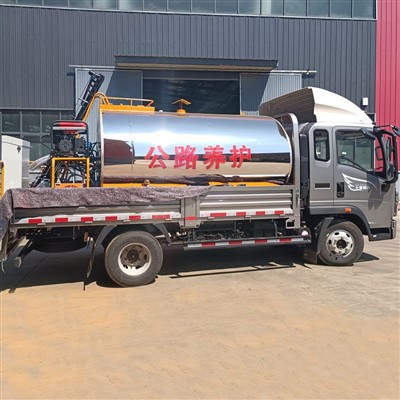
Hey there! I'm an asphalt distributor supplier, and today I'm gonna talk about the shock - absorption system of an asphalt distributor.
So, first off, what the heck is an asphalt distributor? Well, it's a machine used to distribute asphalt evenly on roads during construction or maintenance. You've probably seen one in action if you've ever driven by a road - work site. There are different types, like the Standard Asphalt Distributor, the Asphalt Distributor Tank, and the Automatic Asphalt Distributor.
Now, let's dive into the shock - absorption system. When an asphalt distributor is in operation, it goes through a lot of rough terrain and bumps. That's where the shock - absorption system comes in super handy.
The main function of the shock - absorption system is to reduce the impact forces that the asphalt distributor experiences. These forces can come from various sources. For example, when the machine is moving on an uneven road surface, the wheels hit bumps and potholes. Without a good shock - absorption system, these impacts would be directly transferred to the whole body of the asphalt distributor. This could cause a bunch of problems.

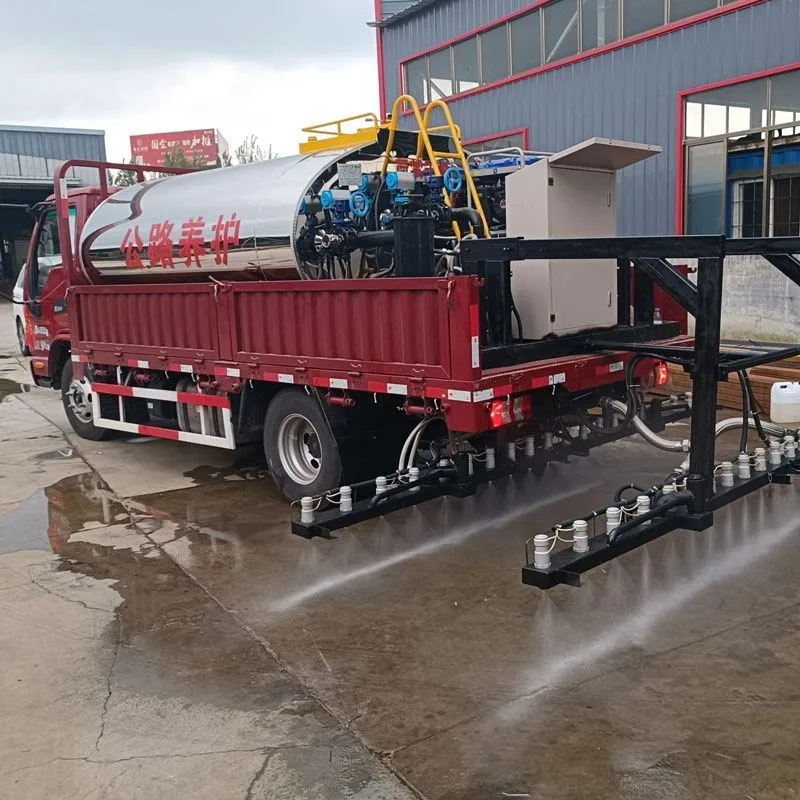
One major problem is damage to the internal components. The asphalt distributor has a lot of sensitive parts, like the pumping system, the control valves, and the heating system. Excessive vibration and impact can lead to premature wear and tear of these parts. They might start to malfunction, which means more frequent repairs and higher costs.
Another issue is the stability of the asphalt distribution. If the machine is constantly shaking, it becomes really hard to distribute the asphalt evenly. Uneven asphalt distribution can result in a poor - quality road surface. It might have bumps or thin spots, which are not only aesthetically unpleasing but also dangerous for drivers.
There are a few key components in a typical shock - absorption system of an asphalt distributor. One of the most important ones is the shock absorbers themselves. These are usually hydraulic or gas - filled devices. They work by converting the kinetic energy from the impacts into heat energy, which is then dissipated.
Hydraulic shock absorbers are quite common. They have a piston inside a cylinder filled with hydraulic fluid. When the wheel hits a bump, the piston moves inside the cylinder, forcing the fluid through small holes or valves. This creates resistance, which slows down the movement of the piston and reduces the impact force.
Gas - filled shock absorbers, on the other hand, use compressed gas, like nitrogen, in addition to the hydraulic fluid. The gas provides extra damping force and helps to prevent the shock absorber from foaming under high - speed or heavy - load conditions.
Springs are also an essential part of the shock - absorption system. They support the weight of the asphalt distributor and help to absorb some of the initial impact. There are different types of springs, such as coil springs and leaf springs. Coil springs are made of a coiled wire and are often used in modern asphalt distributors because they are more compact and can provide a smoother ride. Leaf springs, which consist of multiple layers of metal strips, were more commonly used in older models. They are still used in some heavy - duty applications because they can handle a large amount of weight.
The suspension system of the asphalt distributor is closely related to the shock - absorption system. It includes components like the axles, the control arms, and the sway bars. The axles connect the wheels to the body of the machine and transfer the weight. The control arms allow the wheels to move up and down while keeping them in the proper alignment. Sway bars help to reduce body roll when the machine is turning, which also contributes to the overall stability and shock - absorption.
Maintaining the shock - absorption system is crucial. Regular inspections should be carried out to check the condition of the shock absorbers, springs, and other related components. If the shock absorbers are leaking hydraulic fluid or if the springs are broken or deformed, they need to be replaced immediately.
Proper lubrication of the moving parts in the shock - absorption system is also important. This helps to reduce friction and wear. It's a good idea to follow the manufacturer's recommendations for lubrication intervals and the type of lubricant to use.
As an asphalt distributor supplier, I know how important it is to have a reliable shock - absorption system. That's why we pay a lot of attention to the design and quality of the shock - absorption components in our machines. We want our customers to get the best performance and the longest lifespan out of their asphalt distributors.
If you're in the market for an asphalt distributor, don't overlook the shock - absorption system. A well - designed and maintained shock - absorption system can save you a lot of headaches in the long run. It can ensure the smooth operation of the machine, the quality of the asphalt distribution, and the durability of the internal components.
So, if you're interested in learning more about our asphalt distributors or have any questions about the shock - absorption system, feel free to reach out. We're here to help you make the right choice for your road - construction or maintenance needs. Whether you need a Standard Asphalt Distributor, an Asphalt Distributor Tank, or an Automatic Asphalt Distributor, we've got you covered. Let's start a conversation and see how we can work together to get your projects done right.
References
- "Road Construction Machinery Handbook"
- "Automotive Suspension and Steering Systems"