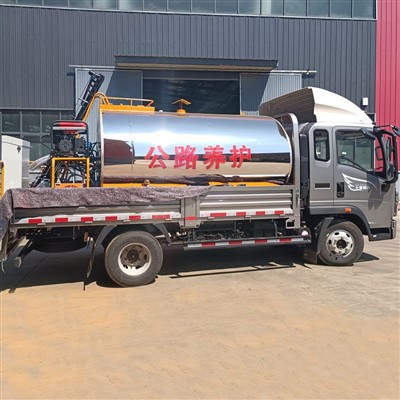
Hey there! As a supplier of Asphalt Distributor Tanks, I know how crucial it is to monitor the temperature inside these tanks. In this blog, I'll share some tips on how to do just that.
First off, let's talk about why temperature monitoring is so important. Asphalt has a specific temperature range within which it behaves optimally. If the temperature is too low, the asphalt can become too viscous, making it difficult to pump and distribute evenly. On the other hand, if the temperature is too high, the asphalt can start to break down, losing its desired properties and potentially causing damage to the equipment.
So, how can we effectively monitor the temperature inside an Asphalt Distributor Tank?
1. Use Thermocouples
Thermocouples are one of the most common and reliable ways to measure temperature. They work based on the principle that when two different metals are joined together at two junctions and there is a temperature difference between the junctions, a voltage is generated. This voltage can be measured and correlated to the temperature.
You can install thermocouples at different locations inside the tank. For example, place one near the bottom of the tank, one in the middle, and one near the top. This way, you can get a more accurate picture of the temperature distribution within the tank. Some advanced thermocouples can also be connected to a digital display or a control system, allowing you to monitor the temperature in real - time.
2. Infrared Thermometers
Infrared thermometers are another option. They work by detecting the infrared radiation emitted by an object and converting it into a temperature reading. The advantage of using an infrared thermometer is that you can measure the temperature without having to make direct contact with the asphalt. This is especially useful if you want to quickly check the temperature at different points on the outside of the tank or if you need to measure the temperature of the asphalt as it is being pumped out.
However, infrared thermometers have some limitations. They measure the surface temperature, which may not always be the same as the internal temperature of the asphalt. Also, factors like the emissivity of the surface can affect the accuracy of the reading.
3. Temperature Sensors with Wireless Connectivity
These days, there are temperature sensors available that come with wireless connectivity. You can install these sensors inside the tank, and they will transmit the temperature data to a receiver, which can be connected to a computer or a mobile device. This allows you to monitor the temperature remotely, which is very convenient, especially if you have multiple Asphalt Distributor Tanks to keep an eye on.
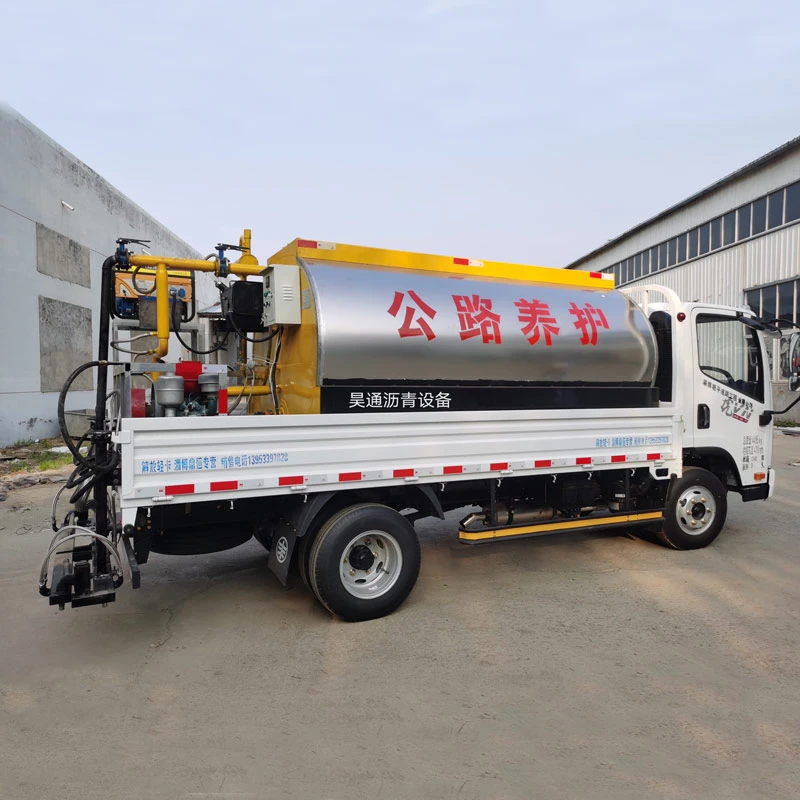

With wireless temperature sensors, you can also set up alerts. For example, you can configure the system to send you a notification if the temperature goes above or below a certain threshold. This way, you can take immediate action to prevent any potential problems.
4. Calibration
No matter which temperature monitoring method you choose, it's important to calibrate your equipment regularly. Over time, the accuracy of thermocouples, infrared thermometers, and other temperature sensors can drift. Calibration ensures that your readings are accurate and reliable. You can use a reference thermometer or a calibration device to check and adjust the accuracy of your temperature monitoring equipment.
5. Consider the Type of Asphalt Distributor
We offer different types of asphalt distributors, such as the Intelligent Asphalt Distributor, the Standard Asphalt Distributor, and the Intelligent Asphalt Distributor Truck. Each type may have different requirements for temperature monitoring.
For example, an intelligent asphalt distributor may have a more advanced control system that can automatically adjust the heating or cooling based on the temperature readings. On the other hand, a standard asphalt distributor may require more manual intervention. Understanding the capabilities of your specific asphalt distributor is essential for effective temperature monitoring.
6. Maintenance
Proper maintenance of the temperature monitoring equipment is also crucial. Make sure to clean the sensors regularly to prevent any build - up of asphalt or other contaminants, which can affect the accuracy of the readings. Check the wiring and connections of the thermocouples and other sensors to ensure that they are in good condition.
In addition to monitoring the temperature, you also need to have a plan in place to control the temperature. This may involve using heating elements to raise the temperature or cooling systems to lower it. Some Asphalt Distributor Tanks are equipped with built - in heating and cooling systems that can be controlled based on the temperature readings.
To sum it up, monitoring the temperature inside an Asphalt Distributor Tank is a multi - step process that involves choosing the right monitoring equipment, calibrating it regularly, and considering the type of asphalt distributor you have. By following these tips, you can ensure that the asphalt in your tank is at the optimal temperature, which will improve the quality of your asphalt distribution and extend the lifespan of your equipment.
If you're in the market for an Asphalt Distributor Tank or need more information on temperature monitoring solutions, feel free to reach out. We're here to help you make the best choice for your business.
References
- "Asphalt Technology Handbook" - A comprehensive guide on asphalt properties and handling.
- Manufacturer's manuals for temperature monitoring equipment.