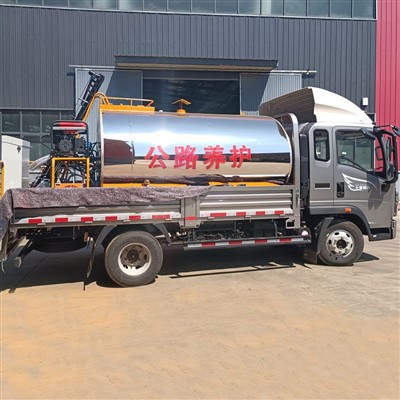
Preparing an emulsion using an anionic emulsifier is a crucial process in various industries, such as road construction, coatings, and adhesives. As a leading supplier of anionic emulsifiers, I am excited to share my expertise on how to effectively prepare an emulsion with these remarkable substances.


Understanding Anionic Emulsifiers
Anionic emulsifiers are surfactants that carry a negative charge on their hydrophilic (water - loving) end. This charge gives them unique properties that make them ideal for creating stable emulsions. In an emulsion, there are two immiscible liquids, typically oil and water. The anionic emulsifier acts as a bridge between these two phases, reducing the surface tension between them and preventing the oil droplets from coalescing.
The choice of an anionic emulsifier depends on several factors, including the type of oil phase, the desired stability of the emulsion, and the end - use application. Some common types of anionic emulsifiers include fatty acid soaps, alkyl sulfates, and alkylbenzene sulfonates.
Materials and Equipment Needed
Before starting the emulsion preparation process, gather the following materials and equipment:
- Anionic Emulsifier: Select the appropriate anionic emulsifier based on your specific requirements. As a supplier, I can offer a wide range of high - quality anionic emulsifiers to meet different industry needs.
- Oil Phase: This can be bitumen, asphalt, or other types of oils depending on the application. For example, in road construction, bitumen is a common oil phase for creating Anionic Bitumen Emulsion.
- Water Phase: Use clean, deionized water to ensure the quality of the emulsion.
- Emulsification Equipment: A high - shear mixer or colloid mill is essential for breaking down the oil phase into small droplets and dispersing them evenly in the water phase.
- pH Adjusting Agents: Anionic emulsifiers often work best within a specific pH range. You may need acids or bases to adjust the pH of the water phase.
- Measuring Tools: Accurately measure the amounts of the emulsifier, oil phase, and water phase using graduated cylinders, pipettes, or weighing scales.
Step - by - Step Emulsion Preparation
Step 1: Prepare the Water Phase
- Fill a clean container with the required amount of deionized water.
- Add the anionic emulsifier to the water. The amount of emulsifier depends on the type of oil phase and the desired stability of the emulsion. Generally, the emulsifier concentration ranges from 0.5% to 5% by weight of the total emulsion.
- Stir the water - emulsifier mixture gently using a magnetic stirrer or a paddle mixer until the emulsifier is completely dissolved.
- Adjust the pH of the water phase if necessary. Most anionic emulsifiers work optimally at a pH between 8 and 10. You can use sodium hydroxide (for increasing pH) or hydrochloric acid (for decreasing pH) to make the adjustments.
Step 2: Prepare the Oil Phase
- Heat the oil phase to a suitable temperature to reduce its viscosity. For bitumen, the heating temperature usually ranges from 120°C to 160°C.
- Ensure that the oil phase is free from impurities and has a uniform consistency.
Step 3: Emulsification Process
- Slowly add the heated oil phase to the water - emulsifier solution while the high - shear mixer or colloid mill is running at a high speed. The rate of addition should be controlled to ensure proper dispersion of the oil droplets.
- Continue mixing for a sufficient period, typically 5 to 15 minutes, depending on the equipment and the desired droplet size. The high - shear forces break the oil phase into small droplets, which are then surrounded by the anionic emulsifier molecules.
- Monitor the temperature during the emulsification process. If the temperature rises too high, it may affect the stability of the emulsion. You can use a cooling system if necessary.
Step 4: Post - Emulsification Adjustments
- Check the stability of the emulsion by observing it for a period of time. If there is any signs of phase separation, you may need to adjust the emulsifier concentration or the mixing conditions.
- Adjust the final properties of the emulsion, such as viscosity and solids content, according to the end - use requirements. For example, in the case of Emulsified Asphalt Liquid, the viscosity needs to be carefully controlled for proper application on roads.
Factors Affecting Emulsion Quality
- Emulsifier Concentration: An appropriate emulsifier concentration is crucial for achieving a stable emulsion. Too little emulsifier may result in poor dispersion and phase separation, while too much emulsifier can increase the cost and may have a negative impact on the final product properties.
- Mixing Speed and Time: Higher mixing speeds and longer mixing times generally lead to smaller oil droplet sizes, which improve the stability of the emulsion. However, excessive mixing can also cause over - shearing and damage the emulsion structure.
- Temperature: The temperature during the emulsification process affects the viscosity of the oil phase and the activity of the emulsifier. Maintaining the right temperature is essential for obtaining a high - quality emulsion.
- pH: As mentioned earlier, the pH of the water phase can significantly influence the performance of anionic emulsifiers. Deviating from the optimal pH range may reduce the emulsifying ability and stability of the emulsion.
Comparison with Cationic Emulsion
It is also important to note the differences between anionic and Cationic Emulsion. Cationic emulsifiers carry a positive charge, which gives them different interaction properties with the oil and water phases. Cationic emulsions are often preferred in some applications where better adhesion to negatively charged surfaces is required, such as on certain types of aggregates in road construction. However, anionic emulsions have their own advantages, such as better compatibility with some types of bitumen and lower cost in some cases.
Conclusion
Preparing an emulsion using an anionic emulsifier requires careful consideration of various factors, including the choice of emulsifier, the properties of the oil and water phases, and the emulsification process parameters. By following the steps outlined above and understanding the key factors affecting emulsion quality, you can produce high - quality emulsions for a wide range of applications.
As a reliable supplier of anionic emulsifiers, I am committed to providing you with the best products and technical support. If you are interested in purchasing anionic emulsifiers for your emulsion preparation needs or have any questions regarding the process, I encourage you to contact me for further discussion and procurement.
References
- Becher, P. (1965). Emulsions: Theory and Practice. Reinhold Publishing Corporation.
- Tadros, T. F. (2005). Encyclopedia of Emulsion Technology. Marcel Dekker.
- Lissant, K. J. (Ed.). (1974). Emulsion Technology. Academic Press.