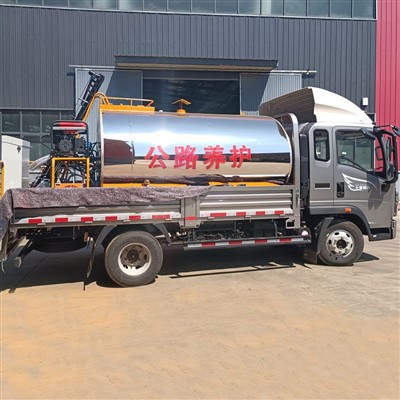
As a seasoned supplier of Asphalt Distributor Tanks, I've witnessed firsthand the challenges that come with preventing asphalt leakage. Asphalt leakage not only leads to material waste but can also cause environmental issues and safety hazards. In this blog, I'll share some effective strategies to prevent asphalt leakage from an Asphalt Distributor Tank, drawing on my years of experience in the industry.
Understanding the Causes of Asphalt Leakage
Before we delve into prevention methods, it's crucial to understand the common causes of asphalt leakage. One of the primary reasons is wear and tear of the tank and its components. Over time, the constant flow of hot asphalt can cause the tank walls, valves, and seals to deteriorate, leading to leaks. Corrosion is another significant factor, especially if the tank is not properly maintained or if it's exposed to harsh environmental conditions. Additionally, improper installation or operation of the Asphalt Distributor Tank can also result in leakage.
Regular Inspection and Maintenance
Regular inspection and maintenance are the cornerstones of preventing asphalt leakage. As a supplier, I always recommend our customers to conduct routine checks on their Asphalt Distributor Tanks. This includes inspecting the tank walls for signs of corrosion, cracks, or damage. Any issues should be addressed immediately to prevent further deterioration.
The valves and seals are also critical components that need regular attention. Check for any signs of wear or leakage around the valve stems and seals. Replace any worn-out parts promptly to ensure a tight seal. It's also important to lubricate the valves regularly to prevent them from seizing up.
In addition to visual inspections, it's advisable to perform pressure tests on the tank periodically. This will help identify any potential leaks that may not be visible to the naked eye. Pressure testing should be carried out by a qualified professional using the appropriate equipment.
Proper Installation
Proper installation of the Asphalt Distributor Tank is essential to prevent leakage. When installing the tank, ensure that it is placed on a stable and level surface. This will prevent any unnecessary stress on the tank walls and components, reducing the risk of leaks.
The connections between the tank and the piping system should be carefully installed and tightened to prevent leaks. Use high-quality gaskets and seals to ensure a tight fit. It's also important to follow the manufacturer's installation instructions carefully to ensure that the tank is installed correctly.
Temperature Control
Maintaining the correct temperature of the asphalt is crucial to prevent leakage. Asphalt has a specific viscosity range at which it flows smoothly without causing excessive stress on the tank and its components. If the asphalt is too hot, it can become too thin and may leak through small cracks or gaps. On the other hand, if the asphalt is too cold, it can become too thick and may cause blockages or damage to the valves and pumps.


As a supplier, I recommend using a temperature control system to maintain the asphalt at the optimal temperature. This can help prevent leakage and ensure the efficient operation of the Asphalt Distributor Tank.
Use of High-Quality Materials
Using high-quality materials for the Asphalt Distributor Tank and its components is essential to prevent leakage. When selecting a tank, choose one that is made from corrosion-resistant materials such as stainless steel or coated carbon steel. These materials are more durable and less likely to corrode over time.
The valves, seals, and gaskets should also be made from high-quality materials that can withstand the high temperatures and pressures of the asphalt. Using inferior quality materials can lead to premature wear and leakage.
Training and Education
Proper training and education of the operators are crucial to prevent asphalt leakage. Operators should be trained on the correct operation and maintenance of the Asphalt Distributor Tank. This includes understanding the temperature control system, how to operate the valves and pumps, and how to perform routine inspections.
It's also important to provide operators with safety training to ensure that they are aware of the potential hazards associated with asphalt leakage. This can help prevent accidents and ensure the safety of the operators and the environment.
Conclusion
Preventing asphalt leakage from an Asphalt Distributor Tank requires a comprehensive approach that includes regular inspection and maintenance, proper installation, temperature control, use of high-quality materials, and training and education of the operators. By following these strategies, you can minimize the risk of asphalt leakage and ensure the efficient and safe operation of your Asphalt Distributor Tank.
If you're in the market for an Asphalt Distributor Tank, we offer a range of high-quality products, including the Intelligent Asphalt Distributor, Automatic Asphalt Distributor, and Intelligent Asphalt Distributor Truck. Our products are designed to meet the highest standards of quality and reliability, and we provide excellent after-sales service to ensure your satisfaction.
If you have any questions or would like to discuss your specific requirements, please don't hesitate to contact us. We look forward to working with you to find the perfect Asphalt Distributor Tank solution for your needs.
References
- ASTM International. (2023). Standard Practice for Inspection and Maintenance of Asphalt Storage Tanks.
- National Asphalt Pavement Association. (2023). Asphalt Storage and Handling Guidelines.
- Smith, J. (2022). Preventing Leakage in Asphalt Distributor Tanks: Best Practices. Journal of Construction Materials, 45(2), 123-132.